
Protecting plants from insects is one of the biggest challenges for gardeners, especially when growing vegetables or fruiting plants in containers. Insect netting for potted plants offers an effective, chemical-free way to prevent pest damage while allowing plants to grow naturally.
This article explains how insect netting works, why it is effective for container gardening, and how to use it correctly for long-term plant health.
Primary keyword: insect netting for potted plants
Why Insect Netting Is Important for Container Gardening
Potted plants are often more vulnerable to pests than in-ground crops. Their limited soil volume and close spacing make infestations spread quickly.
Insect netting helps by:
- Creating a physical barrier against pests
- Preventing egg-laying on leaves and stems
- Reducing damage from chewing and sucking insects
- Limiting the need for chemical treatments
Netting protects plants without interfering with natural growth processes.
How Insect Netting Works
Insect netting is a fine mesh fabric designed to block insects while allowing air, light, and water to pass through. When installed properly, it forms a protective enclosure around the plant.
Effective netting:
- Keeps out insects such as aphids, whiteflies, moths, and beetles
- Allows rain and irrigation to reach the soil
- Maintains airflow to prevent fungal issues
- Supports healthy photosynthesis
Mesh size plays a key role in determining which pests are excluded.
Benefits of Using Insect Netting for Potted Plants
Insect netting offers several advantages over sprays and chemical controls.
Key benefits include:
- Reusable and durable material
- Safe for pollinators when managed properly
- No chemical residue on edible crops
- Reduced maintenance once installed
It is especially useful for organic and low-intervention gardening systems.
Choosing the Right Netting Material
Not all netting materials provide the same level of protection.
Consider the following factors:
- Mesh size small enough to block target pests
- Lightweight fabric that does not crush plants
- UV-resistant material for outdoor use
- Breathability to reduce heat buildup
Fine mesh is ideal for vegetables such as tomatoes, peppers, and eggplants grown in containers.
How to Install Insect Netting on Potted Plants
Step 1: Create a Support Structure
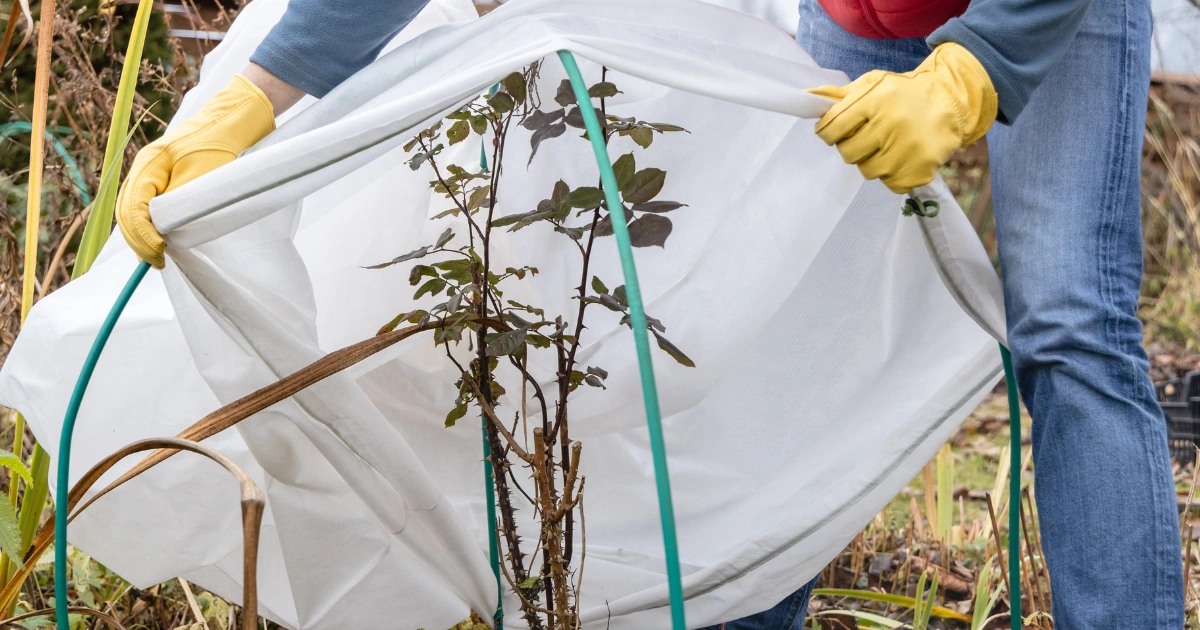
Use hoops, stakes, or wire frames to keep the netting off the leaves. Direct contact can trap insects against the plant.
Step 2: Drape the Netting
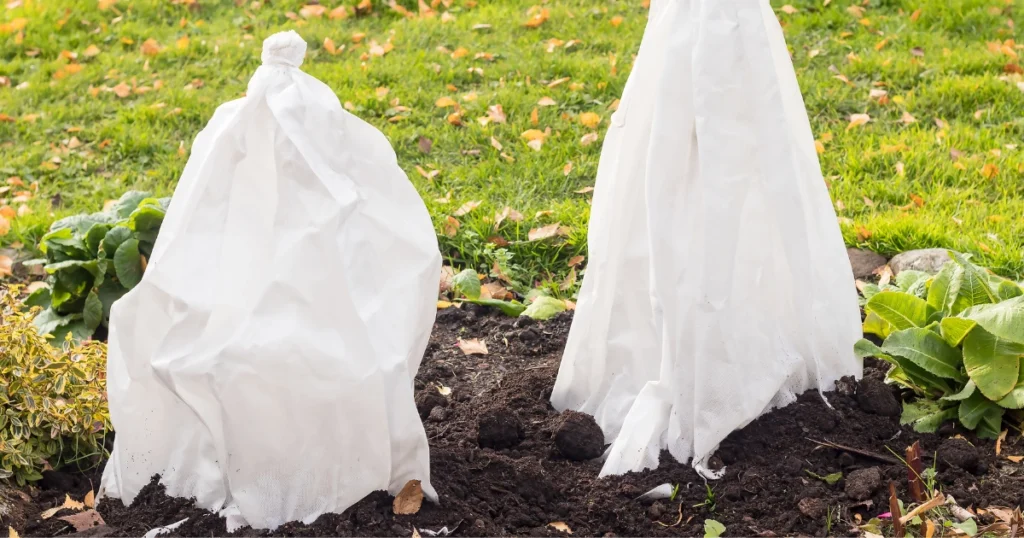
Cover the entire plant, including the pot rim. Ensure no gaps are left where insects can enter.
Step 3: Secure the Base
Fasten the netting tightly around the container using clips, ties, or elastic cords. The seal at the base is critical for effectiveness.
Step 4: Monitor and Adjust
As plants grow, adjust the netting to avoid restriction or damage.
When to Use Insect Netting
Timing is important for successful pest prevention.
Insect netting is most effective:
- Early in the growing season
- Before pest populations build up
- During peak insect activity periods
Once pests are established inside the enclosure, netting becomes less effective.
Pollination Considerations
Insect netting can block pollinators, which is important for flowering crops.
Solutions include:
- Removing netting during flowering periods
- Hand-pollinating enclosed plants
- Using netting only during early growth stages
Balancing pest control with pollination needs is essential for fruiting plants.
Common Mistakes to Avoid
Improper use can reduce the benefits of insect netting.
Avoid these common errors:
- Leaving gaps at the soil level
- Using mesh that is too large
- Allowing netting to rest directly on foliage
- Forgetting to remove netting for pollination
Attention to detail ensures reliable protection.
Maintenance and Longevity
High-quality insect netting can last multiple seasons with proper care.
Maintenance tips:
- Clean netting at the end of the season
- Store in a dry, shaded area
- Inspect for tears before reuse
Good maintenance extends usability and reduces replacement costs.
Insect Netting vs Chemical Pest Control
Netting provides prevention rather than treatment.
Key differences:
- Netting blocks pests before damage occurs
- Chemicals treat infestations after they start
- Netting avoids resistance issues
- Chemical sprays may harm beneficial insects
Many gardeners combine netting with other integrated pest management practices.
FAQ: Insect Netting for Potted Plants
Does insect netting block sunlight?
No. Quality netting allows sufficient light for normal plant growth.
Can insect netting be used in hot weather?
Yes, but proper airflow is important. Lightweight mesh reduces heat buildup.
Is insect netting reusable?
Yes. With careful handling and storage, it can last several seasons.
Can I water plants through insect netting?
Yes. Water passes through the mesh easily during irrigation or rainfall.
Will insect netting stop all pests?
It blocks most flying and crawling insects but may not stop soil-dwelling pests already present in the pot.
Internal Linking Suggestions
To improve topical authority on secretsofthegreengarden.com, link this article to related content such as:
- Natural Pest Control for Vegetable Gardens
- Container Gardening Tips for Healthy Plants
- How to Grow Tomatoes in Pots
Use anchor text that matches article titles or closely related phrases.
Final Thoughts
Insect netting for potted plants is a simple, effective way to protect crops without chemicals. When installed correctly, it prevents pest damage while supporting healthy growth and long-term productivity.
For gardeners focused on sustainability, food safety, and plant health, insect netting is a valuable tool that fits seamlessly into modern container gardening practices.