
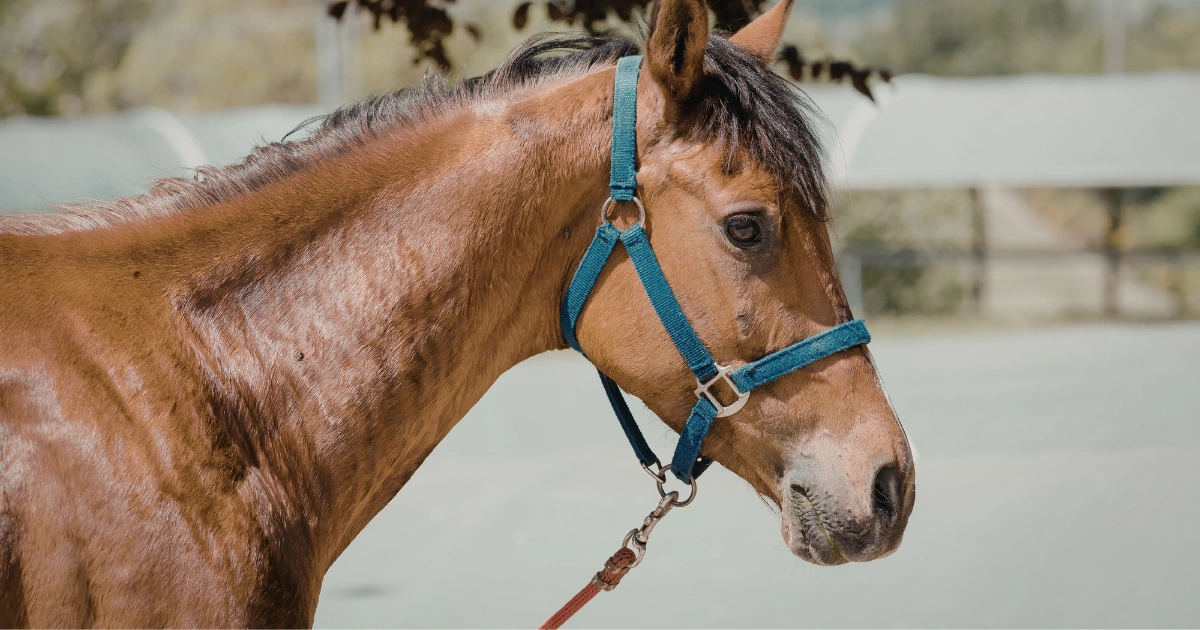
Using a halter correctly is essential for a horse’s comfort, safety, and long-term health. An improperly positioned halter can cause pain, restrict breathing, damage sensitive facial structures, and lead to dangerous situations during handling or tying.
This guide explains correct horse halter positioning, common fitting mistakes, and how to ensure your halter sits safely and comfortably on any horse.
Primary keyword: correct horse halter positioning
Why Correct Horse Halter Positioning Matters
A horse’s head contains delicate bones, nerves, and blood vessels. Unlike bridles, halters are often worn for extended periods, which makes proper fit even more critical.
Correct positioning helps:
- Prevent pressure on nasal cartilage
- Avoid nerve compression
- Allow normal breathing and chewing
- Reduce risk of sores and hair loss
- Improve communication between handler and horse
Poor halter fit is a common but avoidable welfare issue.
Understanding the Horse’s Facial Anatomy
To fit a halter properly, it is important to understand where pressure should and should not be applied.
Key anatomical points include:
- The nasal bone, which can tolerate light pressure
- The soft cartilage of the nostrils, which must never be compressed
- The cheekbones and jaw, where rubbing often occurs
- The poll area behind the ears, which is sensitive to tension
Correct halter positioning respects these structures.
Correct Placement of the Noseband
The noseband is one of the most important elements of halter fit.
Proper placement guidelines:
- The noseband should sit on the firm nasal bone
- It should be positioned several centimeters above the nostrils
- It must not press on soft cartilage
- Two fingers should fit comfortably between the noseband and the face
A noseband that sits too low can interfere with breathing and cause pain.
Correct Cheek and Crown Strap Alignment
The cheek straps should follow the natural lines of the horse’s face without pulling the halter downward or backward.
Correct alignment includes:
- Even tension on both sides
- No twisting or crossing of straps
- Crown strap resting comfortably behind the ears
- No pinching at the jaw or poll
Balanced strap placement keeps the halter stable and comfortable.
Common Halter Fitting Mistakes
Many halter problems come from size mismatches or incorrect adjustments.
Frequent mistakes include:
- Noseband positioned too low
- Halter too tight around the muzzle
- Crown strap pulling forward over the ears
- Excess slack that allows shifting and rubbing
- Using worn or stretched rope halters
These issues increase the risk of injury and behavioral resistance.
Rope Halters vs Flat Halters
Different halter styles require different fitting considerations.
Rope halters:
- Apply more focused pressure
- Require precise knot placement
- Should never sit low on the nose
Flat halters:
- Distribute pressure more evenly
- Are generally more forgiving
- Still require correct adjustment
Neither type is safe if positioned incorrectly.
Signs a Halter Does Not Fit Properly
Horses often show discomfort through subtle signals.
Watch for:
- Head tossing or rubbing
- Reluctance to be haltered
- Hair loss or skin irritation
- Swelling around the nose or cheeks
- Difficulty eating or drinking
These signs indicate the halter should be adjusted or replaced.
Safety Considerations for Daily Use
Halter safety goes beyond fit alone.
Best practices include:
- Removing halters when horses are turned out if possible
- Using breakaway halters for pasture use
- Checking fit regularly as horses gain or lose weight
- Inspecting knots and hardware for wear
Routine checks prevent long-term issues and accidents.
Choosing the Right Halter Size
Horses vary significantly in head shape, even within the same breed.
Sizing tips:
- Measure nose circumference and cheek length
- Avoid relying solely on labeled sizes
- Adjust each strap individually
- Choose quality materials that maintain shape
A well-fitting halter should not require extreme adjustments.
FAQ: Correct Horse Halter Positioning
How high should a halter sit on a horse’s nose?
The noseband should sit on the firm nasal bone, several centimeters above the nostrils, never on soft cartilage.
Can a halter restrict breathing?
Yes. A halter that sits too low or is too tight can restrict airflow and cause discomfort.
Are rope halters safe for everyday use?
They can be safe when fitted correctly, but they require careful adjustment and should not be left on unattended horses.
How often should halter fit be checked?
Fit should be checked regularly, especially during seasonal weight changes or growth in young horses.
Should a halter leave marks on the horse?
No. Persistent marks, hair loss, or swelling indicate improper fit or material issues.
Internal Linking Suggestions
To strengthen topical authority on secretsofthegreengarden.com, link this article to related content such as:
- Basic Horse Handling Safety
- Understanding Horse Body Language
- Pasture Safety for Horses
Use anchor text that matches article titles or closely related phrases.
Final Thoughts
Correct horse halter positioning is a simple but essential aspect of responsible horse care. A properly fitted halter protects sensitive facial structures, supports clear communication, and improves overall horse comfort.
By understanding anatomy, avoiding common mistakes, and checking fit regularly, horse owners can ensure safer handling and better welfare for their animals every day.