
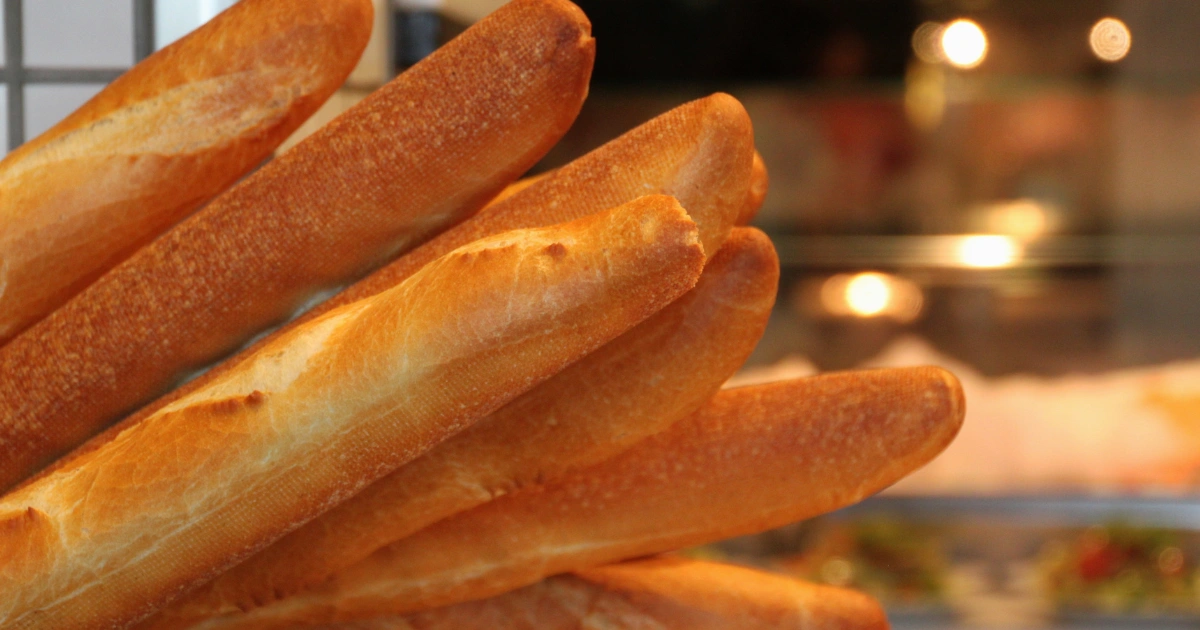
Few breads are as instantly recognizable as the classic French baguette. With its golden crust, airy crumb, and unmistakable aroma, this bread has become a global symbol of traditional baking. While baguettes are often associated with artisan bakeries, they can be made at home with excellent results when the right techniques are applied.
This guide explains how classic French baguettes are made, what sets them apart from other breads, and how home bakers can achieve a crisp crust and open interior without professional equipment.
Primary keyword: classic French baguettes
What Defines a Classic French Baguette
Classic French baguettes are defined by simplicity, precision, and technique rather than complex ingredients. In France, traditional baguettes follow strict standards that limit ingredients and emphasize craftsmanship.
A true baguette is characterized by:
- A thin, crackling crust
- An open, irregular crumb
- A long, slender shape
- Minimal ingredients and no additives
Texture and flavor come from fermentation and handling, not enrichments.
Essential Ingredients for Classic French Baguettes
Traditional baguette dough uses only four basic ingredients. Each one plays a critical role in the final result.
Flour
Wheat flour provides structure and elasticity. French baguettes typically use flour with moderate protein content to balance strength and extensibility.
Flour quality affects:
- Dough elasticity
- Crumb openness
- Crust coloration
Unbleached bread flour or high-quality all-purpose flour can be used successfully at home.
Water
Water hydrates the flour and supports gluten development. Slightly cool water is often preferred to allow longer fermentation and better flavor.
The hydration level in baguette dough is relatively high, contributing to the open crumb.
Yeast
Yeast drives fermentation, creating carbon dioxide that expands the dough and develops flavor. Small amounts of yeast are used to encourage slow fermentation.
This slow rise improves both aroma and digestibility.
Salt
Salt strengthens gluten and enhances flavor. It also regulates yeast activity, preventing overly rapid fermentation.
Salt is essential for structure as well as taste.
The Importance of Fermentation in Baguette Baking
Fermentation is the heart of baguette quality. Unlike fast bread recipes, classic French baguettes rely on time to develop complexity.
Long fermentation:
- Improves flavor depth
- Enhances crust color
- Creates a lighter crumb
- Improves shelf life slightly
Cold fermentation in the refrigerator is commonly used in home baking to mimic professional methods.
Step-by-Step Process for Making Classic French Baguettes
Mixing the Dough
The dough is mixed just until ingredients are combined. Overmixing at this stage is avoided to preserve extensibility.
A short rest after mixing allows the flour to fully hydrate, improving gluten development naturally.
Stretch and Fold Technique
Instead of aggressive kneading, baguette dough is strengthened using gentle stretch-and-fold movements during fermentation.
This method:
- Builds structure gradually
- Traps air bubbles
- Preserves dough extensibility
Bulk Fermentation
The dough rests until it increases in volume. During this time, flavor develops and the gluten network strengthens.
Temperature control is critical to avoid over-fermentation.
Shaping the Baguettes
Shaping requires a light touch. Dough is divided, pre-shaped, rested, and then rolled into long cylinders.
Proper shaping ensures:
- Even crumb structure
- Controlled oven spring
- Clean final appearance
Scoring Before Baking
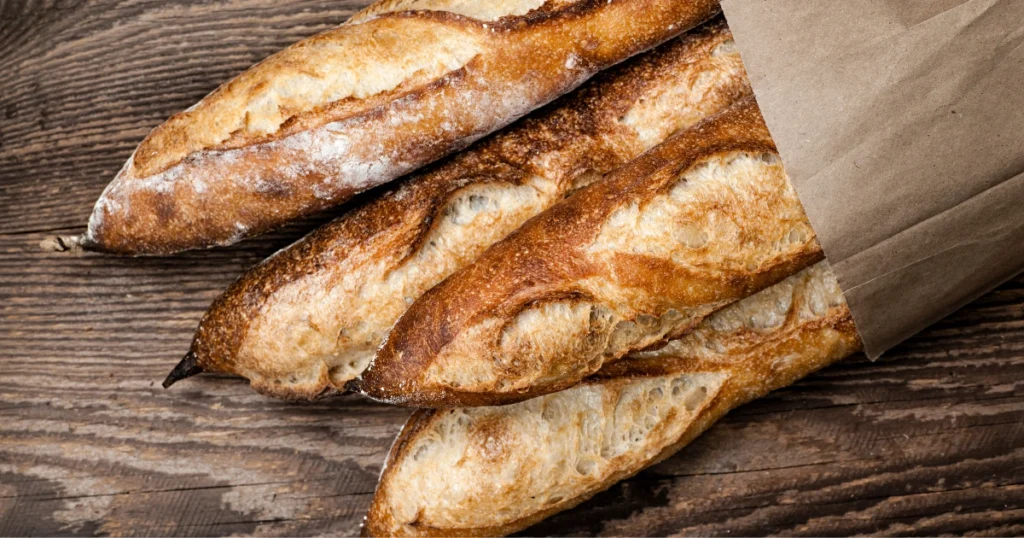
Scoring is essential for classic French baguettes. Shallow diagonal cuts allow controlled expansion during baking.
Correct scoring:
- Directs oven spring
- Prevents random cracking
- Creates the iconic baguette look
A sharp blade or lame should be used for clean cuts.
Baking for a Crisp Crust
High heat and steam are key to achieving a crisp baguette crust.
Home baking tips include:
- Preheating the oven thoroughly
- Using a baking stone or steel
- Introducing steam during the first minutes of baking
- Venting steam toward the end for crust crispness
Steam delays crust formation, allowing maximum expansion before setting.
Common Mistakes When Making Baguettes
Many home bakers struggle with baguettes due to small technical errors.
Avoid these common mistakes:
- Overworking the dough
- Using too much flour during shaping
- Skipping dough resting periods
- Baking without steam
- Cutting too deeply when scoring
Precision and patience matter more than speed.
Storage and Freshness
Classic French baguettes are best eaten the day they are baked. Their crust softens over time as moisture redistributes.
To extend freshness:
- Store at room temperature for short periods
- Refresh briefly in a hot oven before serving
- Freeze baked baguettes for longer storage
Avoid refrigeration, which accelerates staling.
Nutritional Profile of Classic French Baguettes
Traditional baguettes contain no added fats or sugars. Their nutrition depends mainly on flour type and fermentation method.
Long fermentation may improve mineral absorption and digestibility compared to rapidly produced bread.
FAQ: Classic French Baguettes
Why do baguettes have diagonal cuts?
Diagonal scoring controls how the dough expands in the oven and creates the traditional baguette appearance.
Can baguettes be made without a baking stone?
Yes, but a stone or steel improves heat transfer and crust quality. A preheated heavy baking tray is a workable alternative.
Why is steam important when baking baguettes?
Steam keeps the crust flexible during early baking, allowing the dough to expand fully before setting.
Can I use instant yeast instead of active dry yeast?
Yes. Adjust quantities slightly and ensure proper fermentation time.
Why does my baguette crumb look dense?
Dense crumb often results from under-fermentation, insufficient hydration, or excessive degassing during shaping.
Internal Linking Suggestions
For stronger topical relevance on secretsofthegreengarden.com, link this article to related content such as:
- Homemade Artisan Bread Techniques
- Natural Fermentation in Baking
- How Yeast Works in Bread Dough
Use anchor text matching article titles or closely related keyword phrases.
Final Thoughts
Classic French baguettes are a lesson in restraint and technique. With only a few ingredients and careful handling, this bread achieves remarkable flavor and texture. By focusing on fermentation, shaping, and proper baking conditions, home bakers can produce baguettes that rival bakery-quality loaves.
Mastery comes with repetition, but even early attempts offer rewarding results and a deeper appreciation for traditional bread baking.