
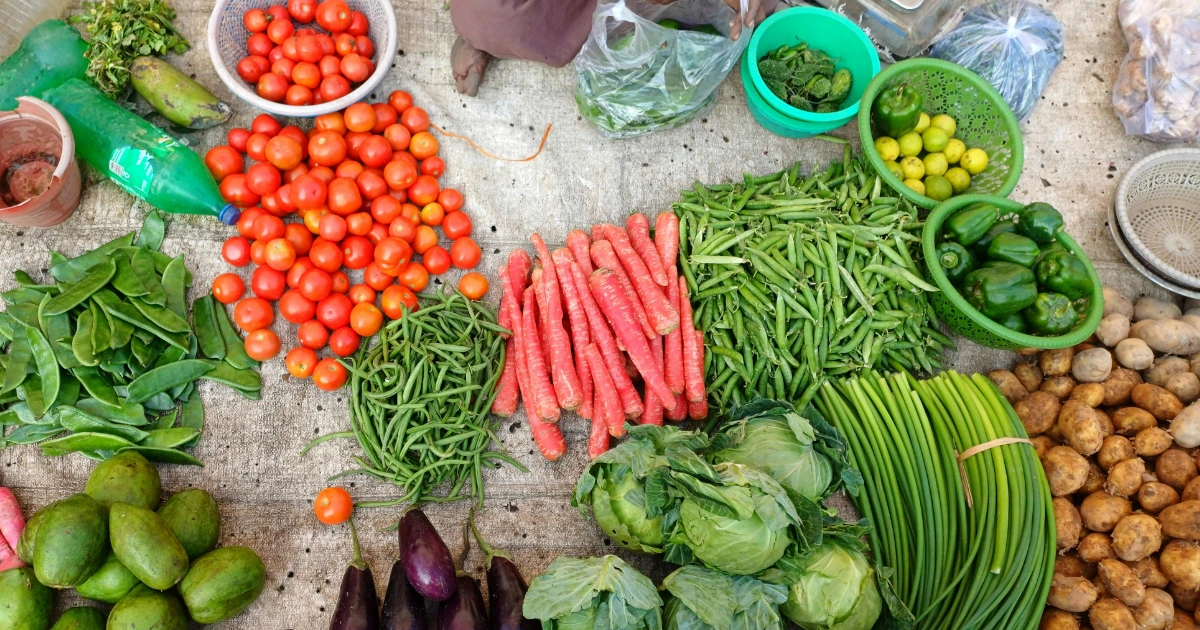
Companion planting is a gardening technique that strategically places certain crops together to enhance growth, repel pests, and improve soil health. By choosing compatible neighbors, gardeners can maximize yield, maintain soil nutrients, and reduce the need for chemical interventions.
Benefits of Companion Planting
- Pest Control: Certain herbs and vegetables naturally repel insects.
- Improved Growth: Plants like beans enrich the soil with nitrogen, benefiting their neighbors.
- Space Efficiency: Pairing vegetables strategically allows for higher yields in smaller plots.
- Healthier Plants: Reduced stress from pests and better nutrient access leads to more robust crops.
Popular Companion Plant Pairings
- Tomatoes + Parsley
- Benefit: Parsley repels pests such as aphids and improves tomato flavor and brightness.
- Tip: Plant parsley near the base of tomato plants to maximize protective effects.
- Potatoes + Beans
- Benefit: Beans naturally fix nitrogen in the soil, boosting potato growth and productivity.
- Tip: Rotate beans around potato plants to maintain soil fertility year after year.
- Beets + Onions
- Benefit: Beets enhance soil structure, while onions repel unwanted insects.
- Tip: Space these plants appropriately to avoid overcrowding while benefiting from natural pest deterrence.
- Radishes + Lettuce
- Benefit: Radishes help break up compacted soil, while lettuce efficiently uses vertical space.
- Tip: Plant radishes around lettuce to save space and increase overall yield in small plots.

Additional Companion Planting Guidelines
- Diverse Plantings: Mix herbs, vegetables, and flowers to attract beneficial insects.
- Avoid Conflicts: Some plants, like onions and beans, may compete if planted too closely.
- Sun and Water Needs: Ensure companion plants have similar sunlight and watering requirements.
- Crop Rotation: Rotate plant families each season to prevent soil depletion and reduce disease risk.
Creating a Companion Garden
- Start with raised beds or a small plot for easy management.
- Plan for sun-loving and shade-tolerant plants together.
- Consider spacing, height, and growth patterns when arranging crops.
- Observe and adjust in subsequent seasons based on plant performance and pest activity.
Summary
Companion planting allows gardeners to work with nature rather than against it. By pairing vegetables like tomatoes with parsley or potatoes with beans, you create a healthier, more productive garden that reduces pests and maximizes space. Using these principles, any garden in 2026 can achieve higher yields, better crop quality, and a thriving ecosystem.
Primary keyword: companion planting
Related keywords: vegetable garden neighbors, best plant pairings, natural pest control, nitrogen-fixing plants, crop rotation guide, raised bed companion planting, garden yield tips, intercropping vegetables