
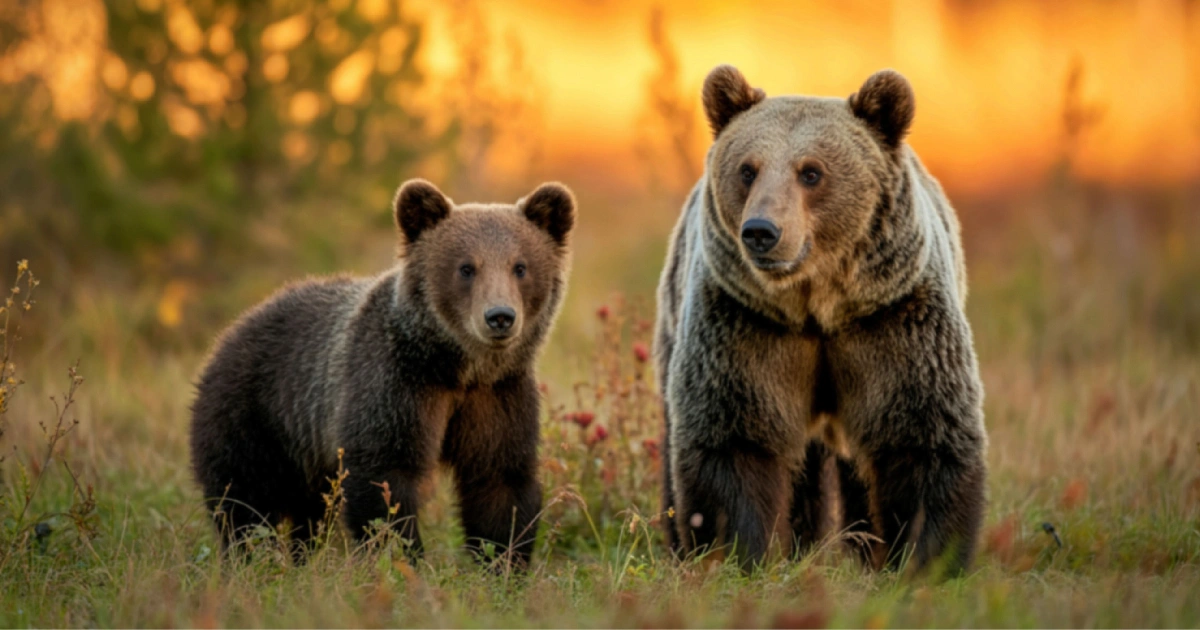
Bears are among the largest and most powerful mammals in the wild. They belong to several species, each with unique physical traits. One way to differentiate them is by examining the size and shape of their claws, along with coat color and body structure. Understanding these differences is valuable for wildlife enthusiasts, trackers, and anyone interested in bear biology.
Comparing Claws Across Bear Species
Bears have long, curved claws that assist with climbing, digging, and hunting. The size and shape of claws vary significantly among species:
- Black Bear: Shorter, slightly curved claws ideal for climbing trees.
- Polar Bear: Long, straight claws adapted for gripping ice and catching seals.
- Grizzly Bear: Medium-length, strong claws used for digging and tearing apart logs or soil.
- Kodiak Brown Bear: Large, thick claws optimized for digging and hunting in coastal environments.
The claws provide insight into each species’ primary habitat and behavior.
Physical Traits of Common Bear Species
- Black Bear:
- Coat: Black or dark brown.
- Habitat: Forested areas of North America.
- Behavior: Excellent climbers, mostly omnivorous.
- Polar Bear:
- Coat: White or cream-colored.
- Habitat: Arctic regions, ice-covered waters.
- Behavior: Strong swimmers, primarily hunt seals.
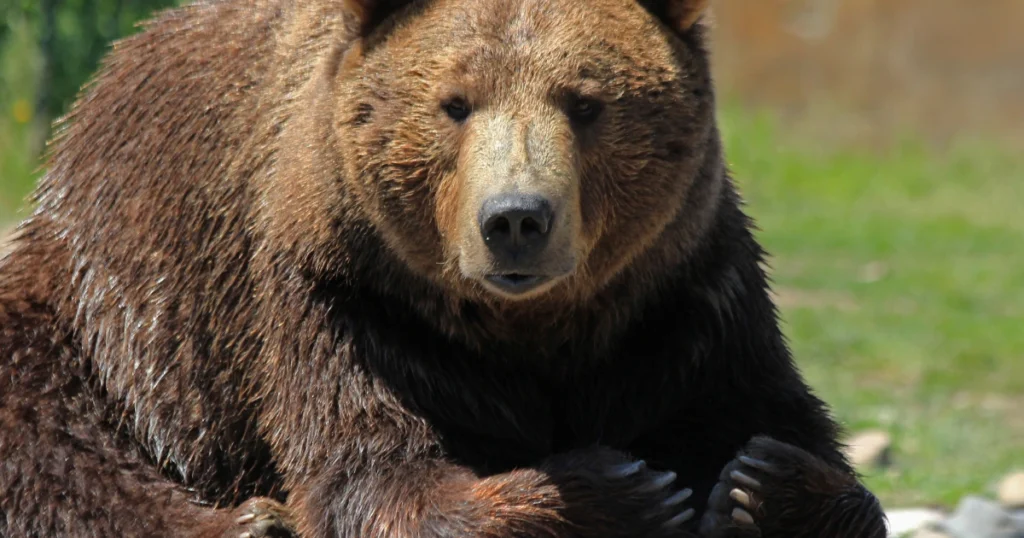
- Grizzly Bear:
- Coat: Brown with silver-tipped fur, giving a “grizzled” appearance.
- Habitat: Mountain forests and tundra regions.
- Behavior: Omnivorous, digs extensively for roots and small mammals.
- Kodiak Brown Bear:
- Coat: Light brown to reddish-brown.
- Habitat: Kodiak Archipelago in Alaska.
- Behavior: Larger than grizzlies, feeds on fish, berries, and small mammals.
Using Claws for Identification
- Tree climbing: Black bears’ shorter, curved claws make them agile climbers.
- Hunting and digging: Longer, sturdier claws of grizzlies and Kodiak bears support digging for food and salmon fishing.
- Ice traction: Polar bears’ large, slightly flattened claws help maintain grip on slippery ice surfaces.
Tips for Observing Bears Safely
- Keep a safe distance—never approach wild bears.
- Observe from a vehicle or secure hide.
- Take note of paw prints, claw marks, and fur color for species identification.
Summary
Bear species can be distinguished through their claws, coat color, and body characteristics. Black bears are smaller with shorter claws, polar bears are white with claws adapted for ice, grizzlies have medium-length digging claws, and Kodiak brown bears have large, powerful claws suitable for coastal environments. These physical traits reflect each species’ unique adaptations and habitats.
Primary keyword: bear claw identification
Related keywords: bear species guide, black bear, polar bear, grizzly bear, Kodiak brown bear, wildlife tracking, bear anatomy, claws of bears