
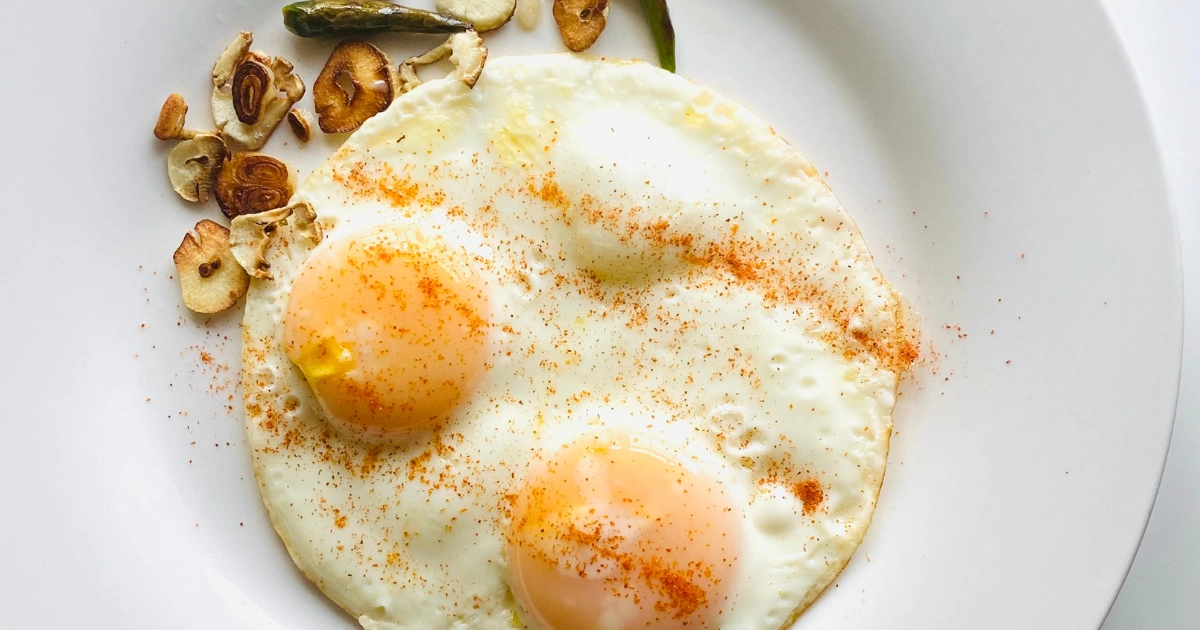
Cooking eggs perfectly depends on timing, technique, and a few simple tips. Eggs are versatile, nutritious, and can be served in a variety of ways—from soft, runny yolks to fully set hard-boiled eggs. Mastering the ideal cooking time ensures consistent results and enhances the flavor and texture of this everyday ingredient.
Different Levels of Boiled Eggs
Eggs can be cooked to various levels of doneness depending on preference and intended use. Here’s a breakdown of the most common types:
Soft-Runny Boiled Eggs (4–5 Minutes)
- Texture: Whites are set, yolk remains very runny.
- Best Use: Perfect for dipping toast or adding to salads where a runny yolk is desired.
- Tips: Use fresh eggs and monitor cooking time carefully to maintain the runny center.
Jammy Eggs (6–7 Minutes)
- Texture: Whites are firm, yolk is slightly thick but still soft.
- Best Use: Excellent for ramen bowls, grain salads, or sandwich toppings.
- Tips: Cool in an ice bath immediately after boiling to prevent further cooking.
Medium-Boiled Eggs (8–9 Minutes)
- Texture: Whites are firm, yolk mostly set with a creamy center.
- Best Use: Ideal for sandwiches or as a protein-packed snack.
- Tips: These eggs are slightly more versatile and hold their shape well when sliced.
Hard-Boiled Eggs (10–12 Minutes)
- Texture: Fully set whites and yolk.
- Best Use: Suitable for deviled eggs, egg salad, or meal prep snacks.
- Tips: Avoid overcooking to prevent greenish yolks and sulfur odors.
Step-by-Step Cooking Tips
- Start gently: Place eggs in gently boiling water instead of adding them directly to high heat. This prevents cracking.
- Use a slotted spoon: Lower the eggs carefully to avoid damage.
- Ice bath finish: Immediately transfer eggs to an ice bath after cooking. This stops the cooking process and makes peeling easier.
Common Mistakes to Avoid
- Overcooking: Leads to rubbery whites and a greenish yolk.
- Rapid boiling: Can crack eggs or cause uneven cooking.
- Skipping the ice bath: Makes peeling difficult and can continue cooking the egg slightly.
Serving Suggestions
- Sprinkle soft or jammy eggs with salt, pepper, or fresh herbs.
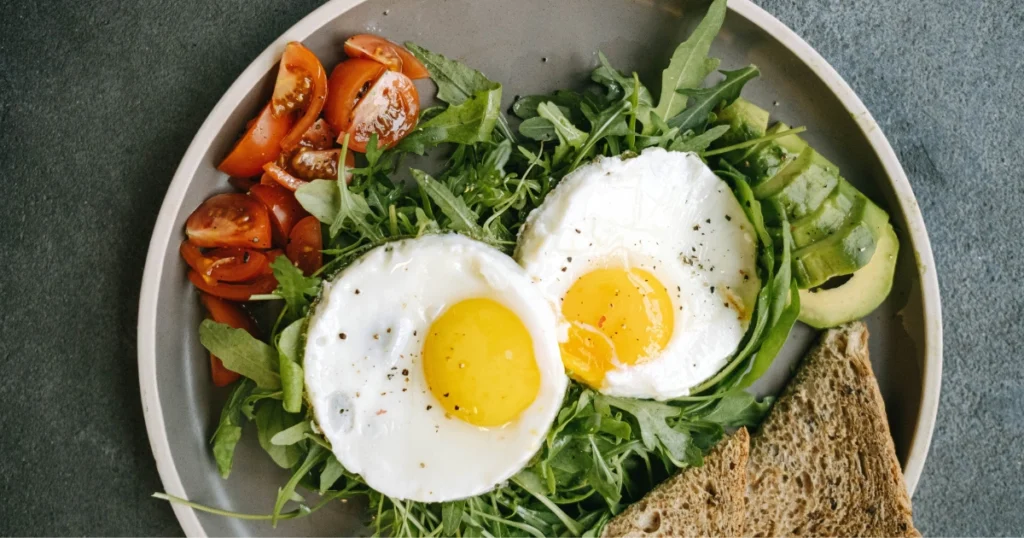
- Pair medium-boiled eggs with toast, avocado, or salads.
- Use hard-boiled eggs for classic recipes like deviled eggs or egg sandwiches.
Storage and Reheating
- Store boiled eggs in the refrigerator for up to one week.
- Keep them unpeeled for longer freshness.
- If reheating, warm gently in hot water for a few minutes; avoid microwaving.
FAQ
Can I use older eggs for boiling
Older eggs peel more easily than fresh ones, making them preferable for hard-boiled eggs.
How do I know when the eggs are done
Use a timer based on the desired doneness and verify by spinning an egg; a fully set yolk will feel solid.
Do I need to add salt or vinegar to the water
Salt can prevent cracking and slightly season the egg, while vinegar may help the whites set faster.
Why are my hard-boiled yolks green
This happens due to a reaction between iron and sulfur when eggs are overcooked. Use precise timing to avoid it.
Can I make multiple eggs at once
Yes, but ensure your pot is large enough for all eggs to be covered by water and adjust cooking time slightly for larger batches.
Primary keyword: perfect boiled eggs
Related keywords: soft-boiled eggs, hard-boiled eggs, jammy eggs, egg cooking tips, ice bath for eggs, medium-boiled eggs, egg preparation guide, easy boiled eggs