
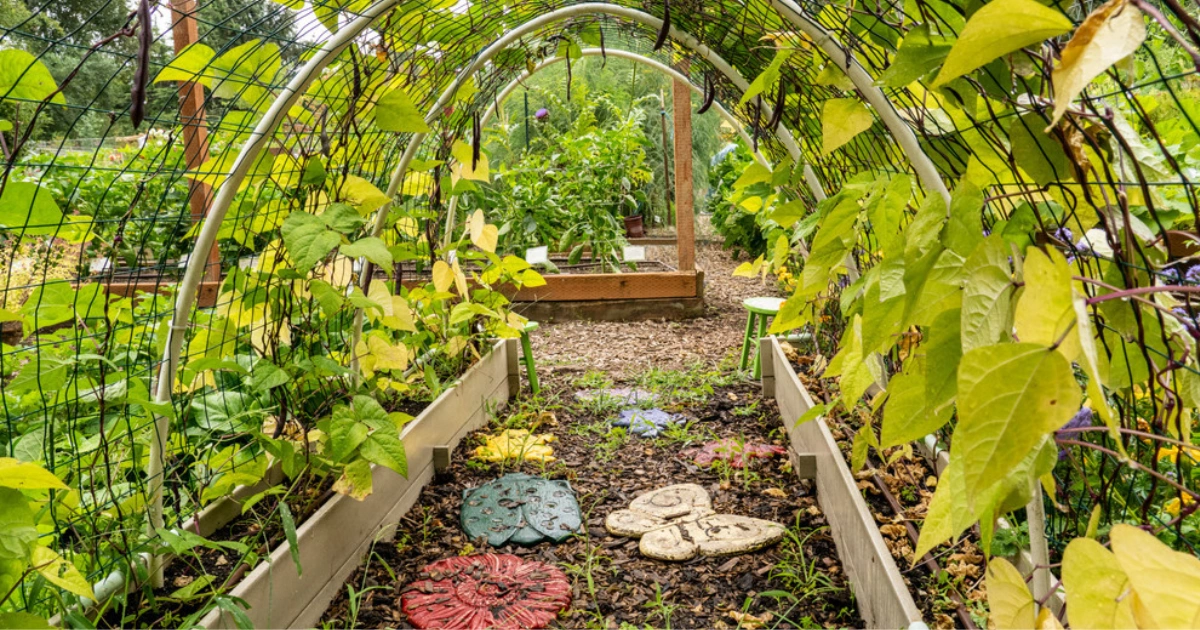
A garden arch trellis is both a practical structure and a beautiful focal point in a vegetable garden. By guiding climbing plants upward over an arched frame, gardeners can maximize space, improve plant health, and create a shaded walkway filled with fresh produce.
This vertical gardening method is especially useful in small gardens, raised beds, and urban spaces where every square foot matters.
What Is a Garden Arch Trellis
A garden arch trellis is a curved support structure placed between two garden beds. Climbing plants grow up the sides and across the top, forming a living tunnel.
This design allows:
- Vertical growth instead of horizontal spreading
- Better air circulation around plants
- Easier harvesting
- Increased planting density in small spaces
The arch shape also creates a natural canopy that can provide partial shade during hot months.
Benefits of Using an Arch Trellis
Saves space in the garden
Climbing plants such as cucumbers, beans, and squash can take up a lot of room. Training them upward frees up valuable ground space for other crops.
Improves plant health
Vertical growth increases airflow around leaves and stems, which helps reduce fungal diseases and pest problems.
Makes harvesting easier
Fruits hang down from the trellis, making them more visible and easier to pick.
Adds beauty and structure
A trellis arch creates a striking visual feature and can turn a simple garden into a more inviting, organized space.
Best Plants for an Arch Trellis
Many vegetables and climbing plants thrive on an arched support.
Popular choices include:
- Cucumbers
- Pole beans
- Cherry tomatoes
- Peas
- Small squash varieties
- Melons with proper support
Choose lighter fruits or use slings to support heavier produce.
How to Build a Simple Garden Arch Trellis
Materials needed
- PVC pipes or metal conduit
- Garden netting or wire mesh
- Zip ties or garden clips
- Wooden or metal stakes
Basic steps
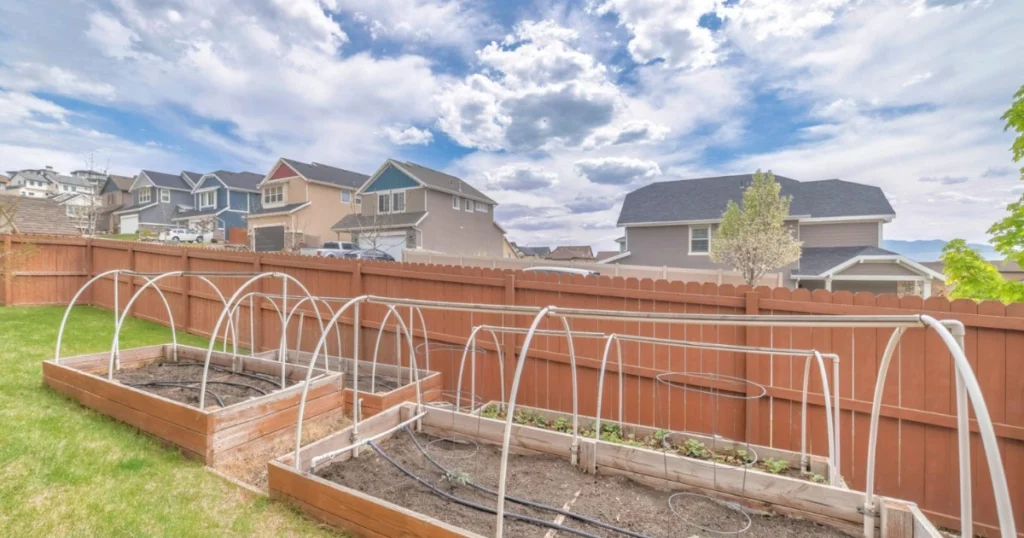
- Place two raised beds parallel to each other, leaving a walking path between them.
- Insert stakes at the corners of each bed.
- Bend the PVC pipes into arches and secure them to the stakes.
- Attach netting or wire mesh along the arch.
- Plant climbing vegetables at the base of each side.
As the plants grow, gently guide the vines onto the trellis.
Tips for Strong and Productive Growth
- Water plants deeply at the base.
- Add compost or organic fertilizer to support growth.
- Tie vines loosely to the trellis if needed.
- Prune excess growth to improve airflow.
- Harvest regularly to encourage new fruit.
Ideal Placement for an Arch Trellis
For best results, position the arch where plants receive at least six to eight hours of sunlight per day. Aligning the tunnel north to south allows even light exposure on both sides.
Ensure the structure is secure enough to handle the weight of mature plants, especially during windy conditions.
Common Mistakes to Avoid
- Using weak materials that bend or break
- Overcrowding too many plants on one side
- Ignoring support for heavy fruits
- Placing the arch in a shaded location
A strong frame and proper spacing will lead to healthier plants and better yields.
FAQ
How tall should a garden arch trellis be
Most arches are between 6 and 7 feet tall, allowing comfortable walking space underneath.
Can heavy vegetables grow on an arch trellis
Yes, but larger fruits like melons or squash may need fabric slings for support.
What is the best material for a trellis arch
PVC, metal conduit, or sturdy wood can all work, depending on budget and durability needs.
How far apart should the beds be
A walkway of about 2 to 3 feet between beds is usually comfortable and practical.
Do I need to prune climbing plants
Pruning is optional, but it can improve airflow and direct energy into fruit production.