
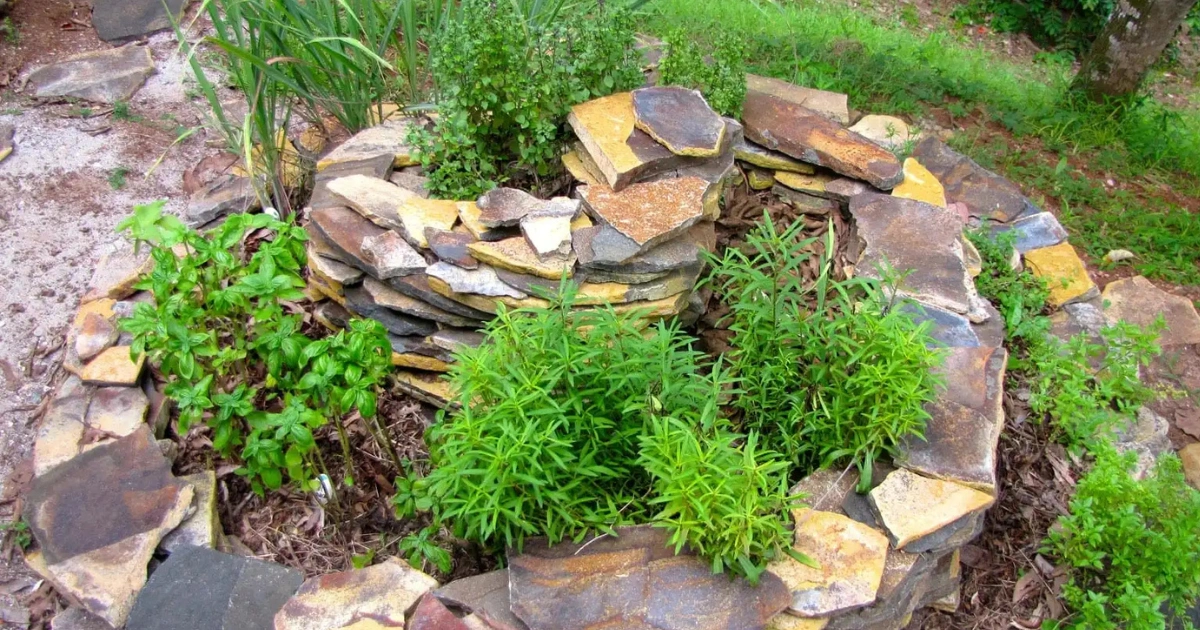
Creating a productive herb garden does not require a large yard or complex infrastructure. One of the most efficient and visually appealing solutions is the herb spiral garden, a compact design that combines vertical growing space with natural water and sunlight management. Inspired by permaculture principles, this system allows multiple herbs with different needs to thrive in a single structure.
This guide explains how a herb spiral garden works, why it is effective, how to build one step by step, and how to choose the right plants for each level. Whether you garden in a backyard, courtyard, or community space, this method offers high productivity with low maintenance.
What Is a Herb Spiral Garden
A herb spiral garden is a raised bed built in a spiral shape that gradually increases in height from the outer edge to the center. The structure creates several microclimates within a small footprint, allowing herbs with different water and sunlight requirements to grow together.
The top of the spiral is drier and warmer, while the lower levels retain more moisture. This natural variation mimics how plants grow in nature and reduces the need for constant watering or soil adjustment.
The herb spiral garden concept is widely used in permaculture because it improves efficiency, biodiversity, and ease of harvesting.
Why a Herb Spiral Garden Works So Well
Natural Microclimates in One Structure
The spiral shape creates zones with distinct conditions:
- The upper section drains quickly and stays warm
- The middle area maintains balanced moisture
- The base remains cooler and more humid
This allows you to grow Mediterranean herbs alongside moisture-loving plants without conflict.
Efficient Use of Space
Because the garden rises vertically, it produces more planting area than a flat bed of the same size. This makes it ideal for small gardens or urban environments.
Improved Water Distribution
Water naturally flows downward through the spiral, hydrating lower levels without pooling. Many gardeners also install a central irrigation tube to improve efficiency and reduce water waste.
Easier Harvesting and Maintenance
The raised structure reduces bending and keeps plants organized. Herbs are easier to access, prune, and harvest without stepping on soil.
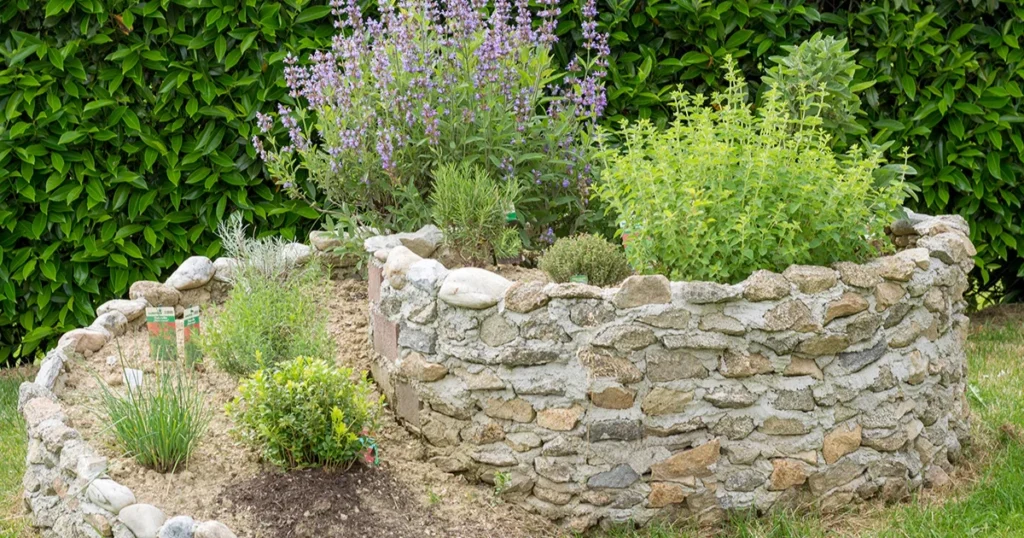
Materials Needed to Build a Herb Spiral Garden
A herb spiral garden can be built with natural, reclaimed, or affordable materials. The key is stability and good drainage.
Common materials include:
- Bricks, stones, or adobe blocks for the structure
- Quality garden soil mixed with organic compost
- Gravel or coarse sand for drainage at the base
- A perforated irrigation pipe or simple watering tube (optional)
Avoid treated wood or materials that may leach chemicals into the soil.
Step-by-Step Guide to Building a Herb Spiral Garden
Step 1: Choose the Right Location
Select a sunny spot that receives at least six hours of sunlight per day. Good airflow helps prevent fungal diseases and keeps herbs healthy.
Step 2: Mark the Spiral Shape
Use a rope or hose to outline a spiral approximately 1.5 to 2 meters wide. The center should be the highest point.
Step 3: Prepare the Foundation
Remove grass and loosen the soil. Add a layer of gravel or coarse sand to improve drainage, especially in heavy soils.
Step 4: Build the Structure
Stack bricks or stones following the spiral outline, gradually increasing the height toward the center. The central point should be about 60 to 80 centimeters high.
Step 5: Fill With Soil and Compost
Use a mix of garden soil and mature compost. The top section should contain sandier soil, while the lower areas benefit from richer, moisture-retentive soil.
Step 6: Install Central Irrigation (Optional)
A vertical perforated pipe in the center allows water to seep slowly into lower layers, improving consistency during dry periods.
Best Herbs for Each Level of a Herb Spiral Garden
Top of the Spiral (Dry and Sunny)
These herbs prefer excellent drainage and minimal watering:
- Rosemary
- Thyme
- Oregano
- Sage
- Lavender
Middle Section (Moderate Moisture)
This zone suits herbs that like balanced conditions:
- Basil
- Parsley
- Cilantro
- Chives
- Marjoram
Base of the Spiral (Cool and Moist)
Ideal for herbs that enjoy richer soil and more water:
- Mint
- Lemon balm
- Celery
- Chamomile
Planting according to these zones is essential for long-term success.
Maintenance Tips for Long-Term Success
A herb spiral garden is low-maintenance but still benefits from regular care.
Key tips:
- Water deeply but less frequently to encourage strong roots
- Prune herbs often to prevent flowering and maintain flavor
- Add compost once or twice a year to replenish nutrients
- Watch aggressive growers like mint and prune regularly
Mulching the lower levels helps retain moisture and suppress weeds.
Common Criticisms and Practical Solutions
Some gardeners worry that herb spiral gardens are impractical or hard to maintain. In reality, most concerns can be solved with thoughtful design.
- Access to the center can be improved by keeping the spiral diameter moderate
- Simple soil-only spirals work well if stones are not available
- Maintenance is easier when herbs are planted according to growth habits
When built at a comfortable height, the structure remains functional and efficient.
Environmental Benefits of a Herb Spiral Garden
Beyond productivity, this system supports sustainable gardening:
- Reduces water consumption
- Encourages biodiversity
- Improves soil health
- Minimizes space requirements
According to sustainable agriculture research from FAO and university extension programs, diversified planting systems increase resilience and long-term yields.
Frequently Asked Questions
Can a herb spiral garden be built without bricks or stones
Yes. A soil-only spiral shaped carefully and reinforced with compacted earth can work, especially in dry climates.
How much space is needed for a herb spiral garden
A diameter of 1.5 to 2 meters is sufficient for most home gardens and allows easy access to all plants.
Is a herb spiral garden suitable for beginners
Yes. The design simplifies plant care by grouping herbs with similar needs and reducing watering errors.
How long does a herb spiral garden last
With proper materials and annual soil enrichment, it can remain productive for many years.
Can vegetables be planted in a herb spiral garden
Small leafy greens can work, but the structure is best suited for herbs due to their compact growth habits.
Suggested Internal Links from secretsofthegreengarden.com
For deeper learning, consider linking to:
- How to Grow Herbs at Home Without a Garden
- Natural Composting Methods for Healthy Soil
- Water-Saving Gardening Techniques for Dry Climates
Reputable External Resources
For further reading and research-based guidance:
- Food and Agriculture Organization (FAO) on sustainable gardening systems: https://www.fao.org
- University of California Agriculture and Natural Resources herb cultivation guides: https://ucanr.edu
- Royal Horticultural Society herb growing advice: https://www.rhs.org.uk
Final Thoughts
A herb spiral garden is a practical, efficient, and sustainable way to grow fresh herbs in limited space. By working with natural water flow, sunlight exposure, and plant behavior, this design delivers high yields with minimal effort. For gardeners seeking productivity, beauty, and ecological balance, the herb spiral garden remains one of the smartest choices available.