
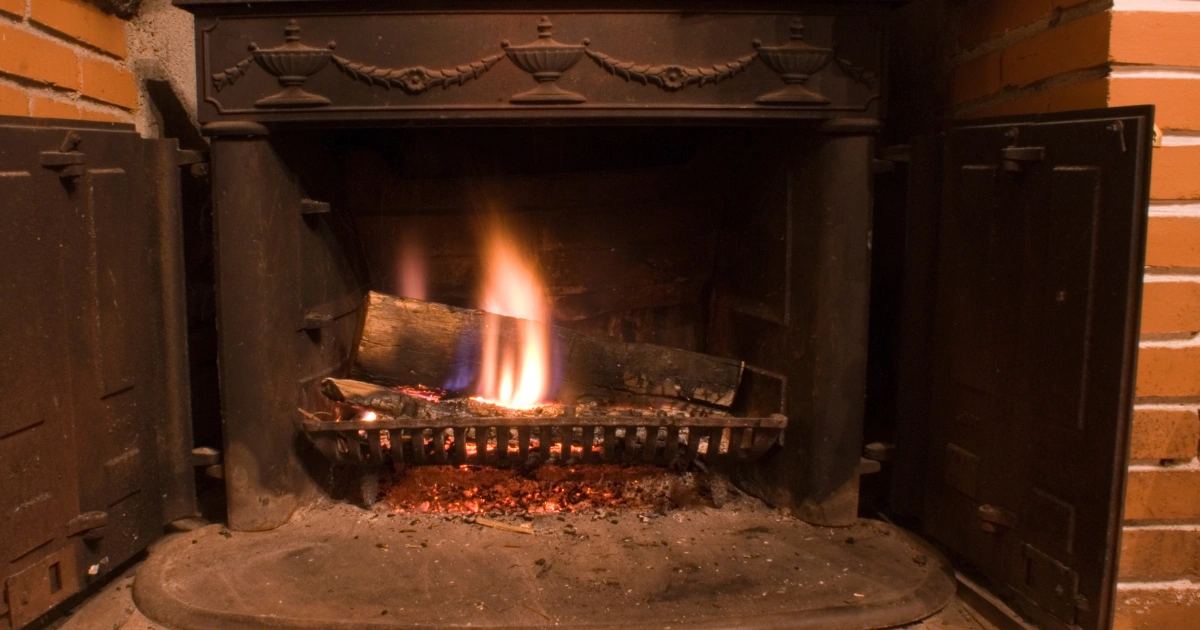
The ondol heating system is a traditional Korean method of warming homes using a horizontal chimney built beneath the floor. Instead of heating the air directly, this design warms stone or masonry surfaces, which then radiate heat slowly and evenly into the living space.
This ancient system has inspired modern radiant floor heating and masonry heaters. Its efficiency, comfort, and use of simple materials make it an appealing solution for sustainable homes, cabins, and off-grid buildings.
What Is an Ondol Heating System
An ondol heating system is a form of radiant floor heating that uses a firebox connected to a network of horizontal flue channels beneath a stone or masonry floor. As smoke and hot gases travel through these channels, they transfer heat into the floor before exiting through a chimney.
The warmed surface then releases heat gradually, keeping the room comfortable for hours after the fire has gone out.
How the Ondol System Works
The system relies on thermal mass and radiant heat rather than hot air circulation.
Step-by-step operation
- A fire is lit in the fire chamber or firebox.
- Hot smoke and gases travel through the horizontal flue channels beneath the floor.
- The stone or masonry floor absorbs the heat.
- The smoke exits through the chimney.
- The warmed floor slowly radiates heat into the room.
This process creates steady, gentle warmth without sudden temperature changes.
Key Components of an Ondol Heating System
A traditional ondol system includes several essential parts.
Fire chamber
This is where wood or other fuel is burned. It is typically located outside or at the edge of the living area.
Flue channels
These horizontal passages carry hot smoke beneath the floor. Their design ensures maximum heat transfer before the gases reach the chimney.
Stone or masonry floor
The floor acts as a thermal mass. It stores heat and releases it slowly over time.
Chimney
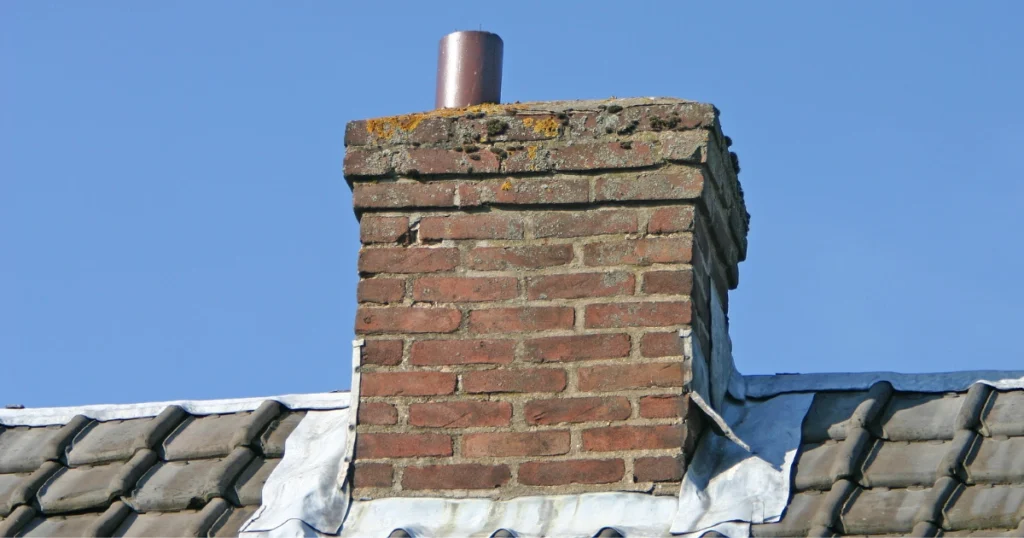
The chimney removes smoke and maintains proper airflow through the system.
Benefits of an Ondol Heating System
The ondol system offers several advantages, especially for energy-conscious households.
Even, comfortable heat
Radiant heat warms people and objects directly rather than heating the air alone. This creates a more stable and comfortable indoor environment.
High energy efficiency
Because the system stores heat in the floor, it continues warming the room long after the fire is out. This reduces fuel consumption.
Simple, durable design
Traditional ondol systems use natural materials such as stone, clay, and brick. With proper construction, they can last for decades.
Quiet, natural heating
There are no fans, pumps, or mechanical parts, making the system silent and low-maintenance.
Modern Adaptations of the Ondol Concept
While the original ondol used wood fires and stone floors, modern versions apply the same principle in different ways.
Common adaptations include:
- Hydronic radiant floor systems using hot water pipes
- Masonry heaters with built-in heated benches
- Rocket mass heaters with horizontal heat channels
- Passive solar floors with thermal mass
All of these systems rely on the same basic idea: store heat in mass and release it slowly.
Design Considerations
Proper design is essential for safety and performance.
Important factors
- Correct slope and sizing of flue channels
- Durable, heat-resistant materials
- Adequate chimney height for proper draft
- Safe separation between firebox and living areas
- Regular cleaning to prevent soot buildup
Working with experienced builders or following tested designs is recommended.
Where an Ondol System Works Best
This type of heating is especially effective in:
- Cold or temperate climates
- Cabins and off-grid homes
- Stone or earthen houses
- Energy-efficient or passive homes
Because it provides slow, consistent heat, it is ideal for spaces where long-lasting warmth is more important than rapid heating.
Maintenance Tips
To keep the system safe and efficient:
- Use dry, seasoned firewood
- Clean flue channels periodically
- Inspect the chimney for blockages
- Avoid burning trash or treated wood
Proper care ensures both efficiency and safety.
FAQ
Is the ondol system still used today
Yes. Modern versions of the ondol concept are used in radiant floor heating, masonry heaters, and passive solar designs.
How long does the heat last after the fire is out
Depending on the mass of the floor and the size of the fire, heat can last several hours or even a full day.
Can an ondol system heat an entire house
Yes. With proper design, it can provide the primary heating for a small or well-insulated home.
Is it safe to install in modern buildings
Yes, but it must be designed carefully with proper ventilation and fire safety measures.
What fuel is typically used
Traditional systems use firewood, but modern adaptations may use other fuels or hot water systems.
Internal Linking Suggestions
- How a Rocket Mass Heater Works
- Passive Solar Home Design Basics
- Building a Thermal Mass Bench for Winter Heating