
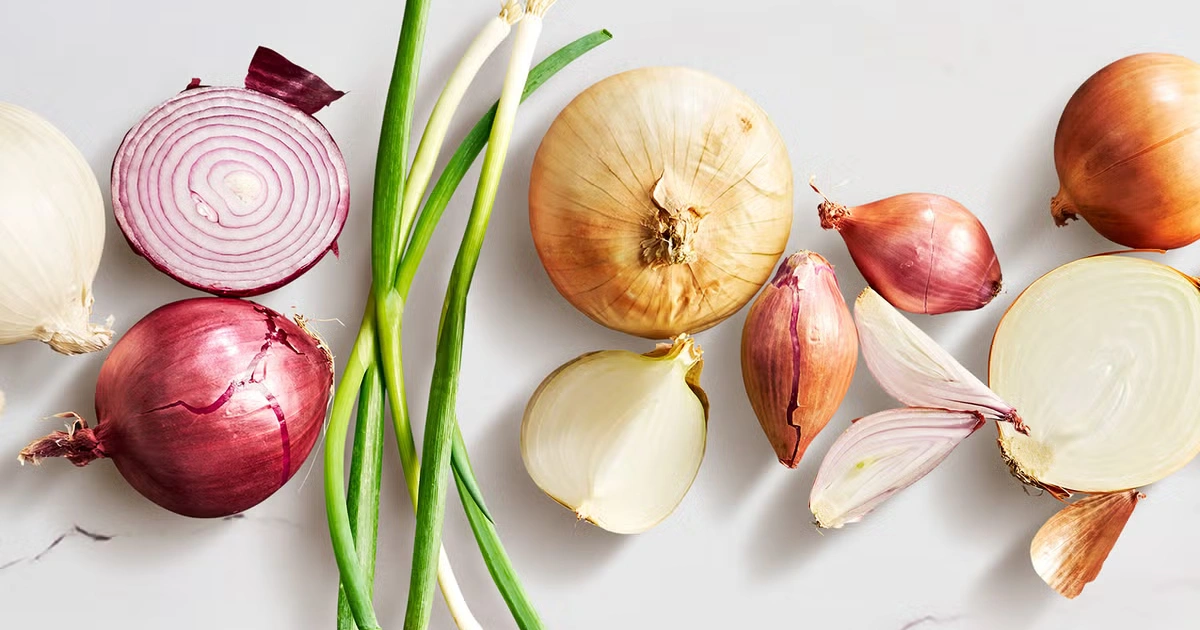
Onions are one of the most widely used ingredients in home cooking, yet they are often treated as interchangeable. In reality, each type of onion has its own flavor profile, texture, and ideal culinary use. Knowing how to choose the right onion can dramatically improve the taste, balance, and overall success of a dish.
This guide explains how to use each type of onion correctly, focusing on sweet onions, red onions, and white onions. With the right choice, even simple recipes become more flavorful and refined.
Why Onion Selection Matters in Cooking
Onions contain natural sugars and sulfur compounds that react differently depending on heat, preparation, and variety. Some onions mellow and caramelize beautifully when cooked, while others are best enjoyed raw for their crisp texture and sharp bite.
Using the wrong type of onion can result in overpowering flavors, lack of balance, or an unpleasant aftertaste. Choosing the right onion ensures harmony between ingredients and enhances the final dish rather than dominating it.
Sweet Onions: Best for Cooking and Caramelization
Sweet onions are known for their mild flavor and higher natural sugar content. They become tender and rich when exposed to heat, making them ideal for cooked dishes.
Flavor Profile
Sweet onions have a low sulfur content, which reduces sharpness and bitterness. When cooked, their sugars caramelize easily, creating a soft, slightly sweet taste.
Best Uses for Sweet Onions
Sweet onions are especially suited for:
- Frying and sautéing
- Onion rings and crispy toppings
- Roasted vegetables
- Slow-cooked stews and casseroles
- Vegetable stir-fries
Their gentle flavor makes them versatile and crowd-pleasing, especially in dishes where onions are a main component rather than a background ingredient.
Cooking Tips
Cook sweet onions slowly over medium heat to bring out their natural sweetness. Avoid using them raw in large quantities, as their texture is softer and less crisp than other varieties.
Red Onions: Ideal for Raw Preparations
Red onions are best known for their vibrant color and crisp texture. They are commonly used raw, where their mild sharpness adds freshness without overwhelming other ingredients.
Flavor Profile
Red onions have a slightly sweet yet tangy flavor. When raw, they provide crunch and brightness. When cooked, however, they can lose color and become dull in both taste and appearance.
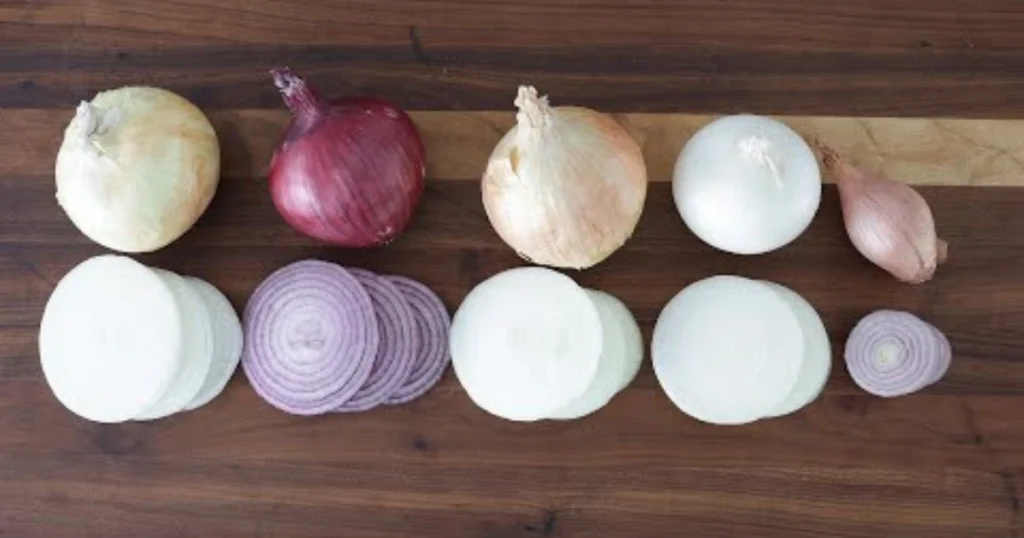
Best Uses for Red Onions
Red onions shine in raw or lightly prepared dishes such as:
- Salads and grain bowls
- Sandwiches and wraps
- Guacamole and fresh salsas
- Pickled onion preparations
- Cold pasta salads
They add visual appeal as well as a refreshing bite, making them a favorite for uncooked dishes.
Preparation Tips
For a milder taste, soak sliced red onions briefly in cold water or vinegar. This reduces sharpness while maintaining crunch.
White Onions: Crisp and Bold for Strong Flavors
White onions have a firmer texture and more intense flavor compared to sweet or red onions. They hold their shape well and provide a clean, sharp taste.
Flavor Profile
White onions are more pungent and less sweet. Their crisp texture makes them ideal for dishes that require firmness and structure.
Best Uses for White Onions
White onions are particularly well suited for:
- Spicy sauces and chili-based dishes
- Fresh salsas
- Mexican and Latin American cuisine
- Dishes requiring a strong onion presence
- Recipes where texture is important
They perform well both raw and cooked, but their sharpness is most noticeable when uncooked.
Common Mistake to Avoid
A frequent error is using raw white onion in dishes that require a mild flavor. This can overpower other ingredients. When using white onion raw, keep quantities small or balance with acidic or creamy components.
How Cooking Changes Onion Flavor
Heat transforms onions by breaking down sulfur compounds and releasing sugars. The longer onions cook, the sweeter and softer they become.
- Raw onions are sharp and pungent
- Lightly cooked onions become mellow
- Slowly cooked onions turn sweet and rich
Understanding this transformation helps determine which onion variety to use depending on whether the dish is served raw or cooked.
Matching Onion Types to Recipes
Selecting the right onion is a small decision with a big impact.
Use sweet onions when the dish relies on cooked onion flavor.
Choose red onions when freshness, color, and crunch matter.
Opt for white onions when bold flavor or firm texture is required.
Swapping onion types can completely change the outcome of a recipe, even when all other ingredients remain the same.
Storage Tips for Different Onion Types
Proper storage helps maintain flavor and texture.
- Store whole onions in a cool, dry, ventilated space
- Keep sweet onions separate, as they have higher moisture
- Refrigerate cut onions in airtight containers
- Avoid storing onions near potatoes
Using fresh, well-stored onions improves both taste and safety.
Frequently Asked Questions
Can sweet onions be eaten raw?
Yes, but they are best in small amounts. Their softer texture makes them less crisp than red or white onions.
Are red onions good for cooking?
They can be cooked, but they lose color and complexity. They are better suited for raw dishes.
Why are white onions stronger?
White onions contain more sulfur compounds, which gives them a sharper taste and firmer texture.
Can I substitute one onion type for another?
Yes, but expect changes in flavor and texture. Adjust quantities and preparation methods accordingly.
Which onion is best for frying?
Sweet onions are the best choice for frying due to their sugar content and mild flavor.
Internal Linking Suggestions
To strengthen topical relevance on secretsofthegreengarden.com, consider linking to:
- How to store vegetables properly at home
- Kitchen basics every home cook should know
- Natural ways to enhance flavor without additives
External Linking Suggestions
For authoritative, non-competing references, consider linking to:
- University extension services on onion varieties and storage
- Government food safety resources on vegetable handling
- Agricultural research institutions explaining onion cultivation
These sources provide reliable, educational information that supports best practices.
Final Thoughts
Choosing the right type of onion is a simple but powerful way to improve everyday cooking. Sweet onions bring richness to cooked dishes, red onions add freshness and color when raw, and white onions deliver bold flavor and texture.
By understanding how each onion behaves, home cooks can make smarter choices, avoid common mistakes, and achieve consistently better results in the kitchen. Small adjustments like this often make the biggest difference.
Backbiome is an advanced daily wellness supplement formulated to help support spinal comfort, reduce feelings of built-up tension, and promote freer, smoother movement throughout backbiome everyday life.
Boostaro is a modern men’s wellness boostaro formula created to support daily vitality, stamina, and confidence through a practical, natural routine.