
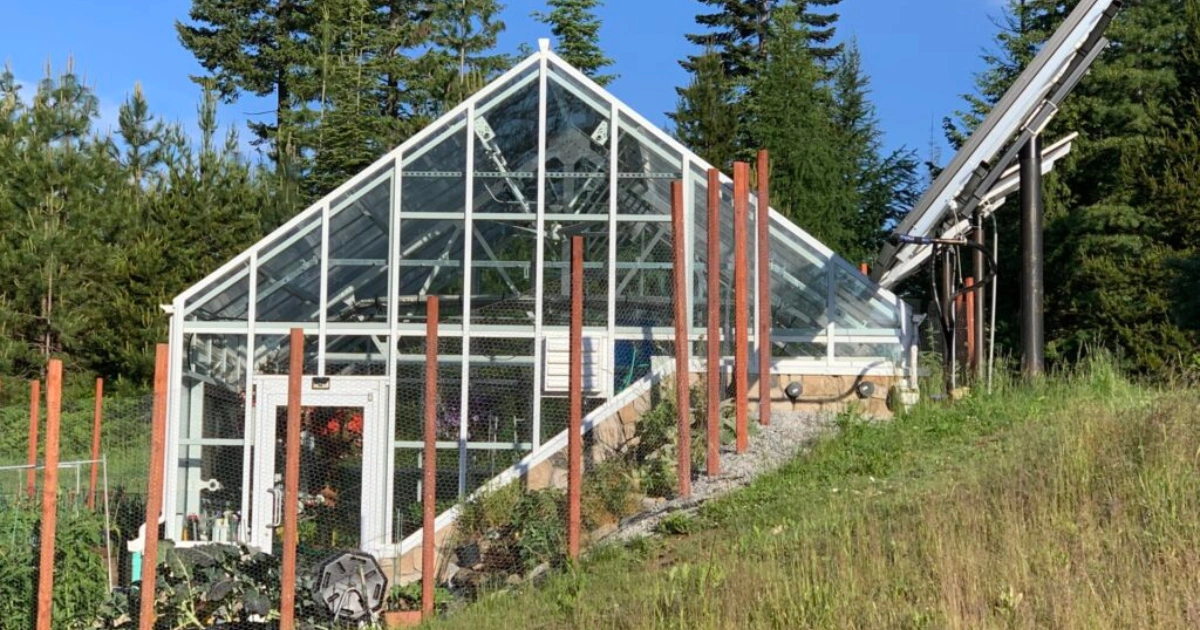
An underground greenhouse, commonly known as a walipini, is one of the most efficient ways to grow food year-round while relying on natural energy rather than artificial heating. The word walipini comes from the Aymara language and means “place of warmth,” a name that perfectly describes how this structure works.
By building the greenhouse partially or fully below ground level, a walipini uses the earth itself as insulation. This approach reduces heat loss, stabilizes temperatures, and protects crops from wind, frost, and extreme weather. For gardeners seeking resilience, sustainability, and lower energy costs, the underground greenhouse offers a powerful solution.
Primary keyword: underground greenhouse
What Is an Underground Greenhouse (Walipini)
An underground greenhouse is a growing structure dug into the ground, typically between 6 and 10 feet deep, with a transparent roof angled toward the sun. The surrounding soil acts as a thermal mass, absorbing heat during the day and slowly releasing it at night.
Unlike traditional greenhouses that sit entirely above ground, a walipini takes advantage of the stable temperatures found below the frost line. In many climates, soil temperatures remain between 45°F and 60°F year-round, even when air temperatures fluctuate dramatically.
This natural stability makes it possible to grow vegetables, herbs, and even some fruit crops throughout winter without supplemental heating.
Why Build an Underground Greenhouse
Natural Temperature Regulation
One of the most important benefits of an underground greenhouse is temperature stability. The earth buffers against extreme cold and heat, reducing the risk of frost damage in winter and overheating in summer.
This makes walipinis especially valuable in regions with harsh winters, strong winds, or large day-night temperature swings.
Lower Energy and Heating Costs
Because the soil provides insulation, underground greenhouses require significantly less energy to maintain growing temperatures. Many walipinis operate with no external heat source at all.
For gardeners looking to reduce reliance on fossil fuels and lower utility costs, this is a major advantage.
Protection from Harsh Weather
Being partially underground shields the structure from wind, hail, heavy snow, and storms. Crops are less exposed to physical damage, and the greenhouse structure itself experiences less stress over time.
This durability contributes to lower maintenance and longer lifespan.
Extended and Year-Round Growing Season
An underground greenhouse allows growers to start planting earlier in spring and continue harvesting later into fall. In many climates, it enables true year-round production of cold-tolerant crops.
This is particularly useful for food security, homesteading, and self-sufficiency.
Improved Water Efficiency
Underground greenhouses tend to retain moisture better than above-ground structures. Reduced wind exposure and stable temperatures lower evaporation rates, helping conserve water.
This is especially beneficial in dry or arid regions.
How an Underground Greenhouse Works
The effectiveness of a walipini depends on several key design principles working together.
Thermal Mass from the Soil
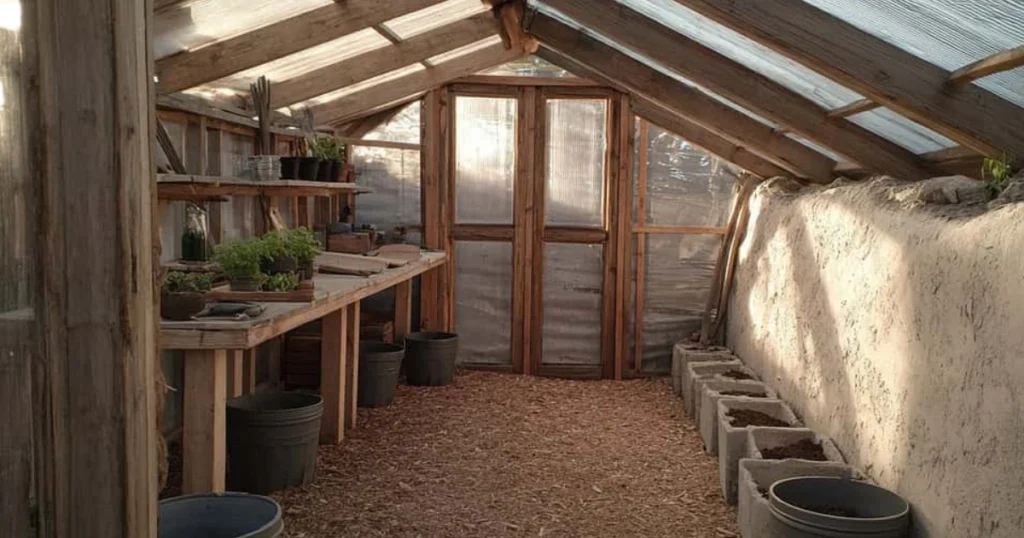
The surrounding earth absorbs solar heat during the day and releases it slowly at night. This thermal mass effect smooths out temperature fluctuations that would otherwise stress plants.
Solar Orientation
The roof of an underground greenhouse is angled toward the sun, typically facing south in the northern hemisphere and north in the southern hemisphere. This maximizes solar gain during winter when the sun is lower in the sky.
Insulated Walls
Walls are often built using materials such as earthbags, concrete, stone, or rammed earth. These materials add mass and insulation while resisting moisture and pressure from surrounding soil.
Ventilation Control
Proper ventilation is essential to prevent overheating and humidity buildup. Most walipinis use vents, doors, or passive airflow systems to regulate temperature and moisture.
Key Design Considerations Before Building
Site Selection and Drainage
Choosing the right location is critical. The site should have good drainage and a low water table to prevent flooding. Sloped land is often ideal, as it allows easier drainage and sunlight access.
Avoid areas prone to standing water or seasonal flooding.
Depth and Dimensions
Most underground greenhouses are dug deep enough to reach below the frost line. Common depths range from 6 to 10 feet, depending on climate.
The size should balance available space, excavation effort, and intended crop production.
Roof Materials
The roof must allow maximum light transmission while withstanding snow, wind, and weather. Common materials include greenhouse plastic, polycarbonate panels, or tempered glass.
The angle of the roof is crucial for winter light exposure.
Moisture and Condensation Management
Because walipinis retain moisture well, humidity control is important. Gravel floors, drainage channels, and proper airflow help prevent mold and plant disease.
What Can You Grow in an Underground Greenhouse
An underground greenhouse supports a wide range of crops, particularly those that tolerate cooler temperatures.
Common crops include:
- Leafy greens such as spinach, kale, and lettuce
- Root vegetables like carrots, beets, and radishes
- Herbs including parsley, cilantro, and chives
- Brassicas such as broccoli and cabbage
- Cold-tolerant fruiting plants with proper management
With careful planning, crop rotation, and seasonal adjustments, productivity can remain high throughout the year.
Advantages Compared to Traditional Greenhouses
Compared to standard above-ground greenhouses, underground greenhouses offer several distinct advantages.
They provide better insulation, lower heating costs, greater protection from weather, and improved temperature stability. While construction requires more initial labor, long-term operating costs are often significantly lower.
For growers focused on sustainability and resilience, the underground greenhouse is often a superior option.
Potential Challenges and How to Address Them
Construction Effort
Digging and building below ground requires more labor and planning. Using rented equipment or community labor can reduce costs and time.
Drainage Risks
Poor drainage is one of the biggest risks. Proper site selection, drainage trenches, and gravel layers are essential to prevent water problems.
Limited Light in Winter
While walipinis capture winter sunlight effectively, light levels are still lower than in summer. Selecting cold-tolerant, low-light crops helps maintain productivity.
Maintenance and Long-Term Care
Regular maintenance includes monitoring humidity, checking structural integrity, and ensuring ventilation systems function properly.
Soil health should be maintained through composting, crop rotation, and organic amendments. Because walipinis are enclosed systems, proactive disease management is important.
Frequently Asked Questions
Is an underground greenhouse suitable for cold climates
Yes, underground greenhouses are particularly effective in cold climates due to stable soil temperatures.
Do walipinis require supplemental heating
In many climates, no additional heating is needed, though extreme regions may benefit from minimal backup heat.
How long does an underground greenhouse last
With proper construction and maintenance, a walipini can last decades.
Are underground greenhouses expensive to build
Initial construction can be labor-intensive, but long-term operating costs are typically much lower than traditional greenhouses.
Can an underground greenhouse flood
Flooding is possible if drainage is poor, which is why site selection and drainage design are critical.
Internal Linking Suggestions
From secretsofthegreengarden.com, consider linking to:
- Cold-Climate Gardening Strategies That Actually Work
- Passive Solar Gardening Techniques for Year-Round Harvests
- Low-Energy Greenhouse Designs for Sustainable Growing
External High-Authority Sources
For additional research and technical guidance:
- United States Department of Agriculture – season extension and protected agriculture
- Colorado State University Extension – greenhouse and passive solar design
- FAO (Food and Agriculture Organization of the United Nations) – sustainable food production systems
Final Thoughts
An underground greenhouse is more than an alternative growing structure. It is a practical example of working with nature rather than against it. By using the earth’s natural insulation and the sun’s energy, a walipini creates a stable, productive environment that supports year-round food production with minimal external inputs.
For gardeners, homesteaders, and sustainability-focused growers, the underground greenhouse represents one of the most resilient and energy-efficient ways to grow food in a changing climate.