
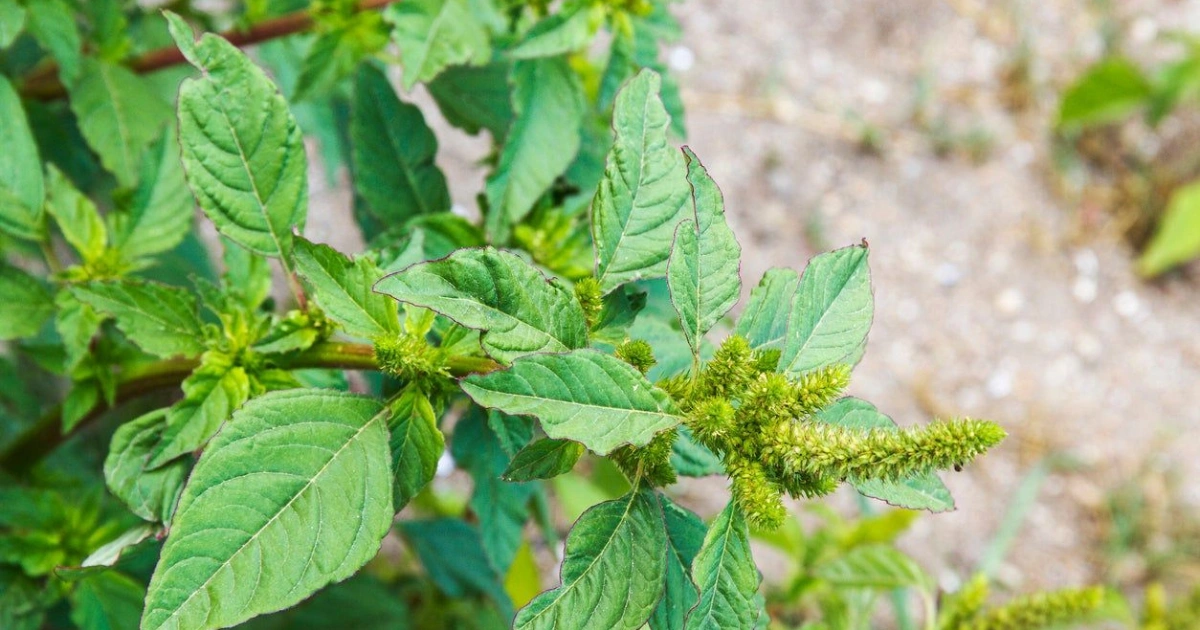
Pigweed is commonly dismissed as an invasive nuisance, pulled out of gardens and fields without a second thought. Yet behind its reputation as an unwanted weed lies a plant with impressive nutritional value and a long history of traditional use. Pigweed, part of the Amaranthus genus, has been consumed for centuries in different regions of the world as both a leafy vegetable and a grain-like seed.
This article explores the most important pigweed health benefits, explains how to use pigweed safely in your diet, and highlights key precautions to consider. When properly identified and prepared, pigweed can be a valuable addition to a nutrient-rich, plant-forward lifestyle.
Primary keyword: pigweed health benefits
What Is Pigweed and Why Is It Nutritionally Significant
Pigweed refers to several species within the Amaranthus genus, many of which are edible. The plant grows rapidly, adapts easily to different soils, and produces both nutrient-dense leaves and protein-rich seeds.
Pigweed stands out nutritionally due to its high levels of vitamins, minerals, antioxidants, fiber, and plant protein. Unlike many leafy greens, it also provides notable amounts of iron, calcium, magnesium, and potassium, making it especially valuable in diets that rely heavily on plant foods.
Key Pigweed Health Benefits
Supports Strong Bones
One of the most notable pigweed health benefits is its contribution to bone health. Pigweed leaves contain significant amounts of calcium and magnesium, two minerals essential for maintaining bone density and skeletal strength.
Regular intake of calcium-rich plant foods like pigweed may help reduce the risk of bone mineral loss, particularly in individuals with limited dairy consumption.
Promotes Heart Health
Pigweed supports cardiovascular health through a combination of dietary fiber, potassium, and antioxidant compounds. Fiber helps manage cholesterol levels, while potassium plays a role in maintaining healthy blood pressure.
Antioxidants found in pigweed may also help protect blood vessels from oxidative stress, which is associated with long-term heart disease risk.
Helps Prevent Iron-Deficiency Anemia
Iron is critical for oxygen transport in the blood, and pigweed is a reliable plant-based source of this mineral. Including iron-rich greens like pigweed in meals can support healthy red blood cell production and reduce fatigue linked to iron deficiency.
This benefit is particularly relevant for individuals following vegetarian or vegan diets.
Strengthens Immune Function
Pigweed contains vitamin C and various phytonutrients that contribute to immune system support. Vitamin C plays a role in immune cell function and helps protect the body from infections.
The antioxidant compounds in pigweed further assist by reducing oxidative stress that can weaken immune defenses.
Supports Eye Health
Vitamin A and beta-carotene are present in pigweed leaves, both of which are essential for maintaining healthy vision. These nutrients help protect the eyes from age-related changes and support normal night vision.
Regular consumption of beta-carotene-rich greens may contribute to long-term eye health.
Provides High-Quality Plant Protein
Pigweed seeds are particularly valuable as a plant-based protein source. They contain essential amino acids, including lysine, which is often limited in grains.
This makes pigweed seeds a useful option for people seeking to increase protein intake without relying on animal products.
Improves Digestive Health
Pigweed is high in dietary fiber, which supports digestion by promoting regular bowel movements and maintaining gut health. Fiber also helps stabilize blood sugar levels and contributes to feelings of fullness.
A fiber-rich diet is associated with improved metabolic health and reduced risk of digestive disorders.
Helps Reduce Inflammation
Certain compounds in pigweed exhibit anti-inflammatory properties. By helping regulate inflammatory responses, pigweed may support joint comfort and overall tissue health.
This effect is particularly beneficial when pigweed is part of a diet rich in whole, unprocessed plant foods.
Protects Against Oxidative Stress
Pigweed contains antioxidants such as flavonoids and phenolic compounds. These substances help neutralize free radicals that contribute to cellular damage and chronic disease development.
Reducing oxidative stress is an important factor in long-term disease prevention.
Delivers Broad Micronutrient Support
Pigweed leaves provide a wide range of essential vitamins and minerals, including vitamins A, C, and K, iron, calcium, magnesium, and potassium. This nutrient diversity supports overall health, energy metabolism, and cellular function.
How to Use Pigweed in Everyday Cooking
Pigweed is versatile and can be prepared in many of the same ways as other leafy greens.
Common culinary uses include:
- Adding young leaves to fresh salads
- Sautéing or steaming leaves with olive oil and garlic
- Stirring pigweed into soups and stews
- Blending tender leaves into green smoothies
- Cooking pigweed seeds like quinoa or grinding them into flour for baking
Young leaves tend to be milder in flavor, while mature leaves have a stronger, more earthy taste.
How to Prepare Pigweed Safely
Before consuming pigweed, proper identification is essential, as not all wild plants are safe to eat. Always ensure the plant has been correctly identified as an edible Amaranthus species.
Wash leaves thoroughly to remove dirt and potential contaminants. Cooking pigweed leaves can also help reduce naturally occurring compounds such as oxalates, improving mineral absorption.
Safety Considerations and Precautions
Despite its many pigweed health benefits, moderation is important. Some pigweed species contain oxalic acid, which may interfere with calcium absorption and contribute to kidney stone formation in susceptible individuals.
Pigweed should be consumed cautiously by:
- Individuals prone to kidney stones
- People with mineral absorption issues
- Those harvesting from areas exposed to pesticides or pollution
Consult a healthcare professional if you have existing medical conditions or concerns about incorporating wild greens into your diet.

Frequently Asked Questions
Is pigweed safe to eat
Yes, many pigweed species are edible, but proper identification is essential before consumption.
Can pigweed replace spinach
Pigweed can be used similarly to spinach and offers comparable, and in some cases higher, nutrient levels.
Are pigweed seeds edible
Yes, pigweed seeds are edible and provide high-quality plant protein and essential amino acids.
Does pigweed contain oxalates
Some species contain oxalates, which is why moderation and cooking are recommended.
Can pigweed be eaten raw
Young leaves can be eaten raw, but cooking is often preferred to improve digestibility.
Internal Linking Suggestions
From secretsofthegreengarden.com, consider linking to:
- Edible Wild Plants You Can Grow at Home
- Leafy Greens with Exceptional Nutritional Value
- Medicinal Plants for Natural Wellness
External High-Authority Sources
For further scientific context, consider these reputable references:
- United States Department of Agriculture – plant nutrient databases
- Harvard T.H. Chan School of Public Health – plant-based nutrition research
- National Institutes of Health – studies on antioxidants and mineral absorption
Final Thoughts
Pigweed is far more than an unwanted garden intruder. When properly identified and prepared, it offers impressive nutritional value, from supporting bone and heart health to providing plant-based protein and antioxidants. Its adaptability and nutrient density make it a compelling option for those interested in sustainable, whole-food nutrition.
By approaching pigweed with knowledge and moderation, this overlooked plant can become a meaningful part of a healthy, balanced diet.