
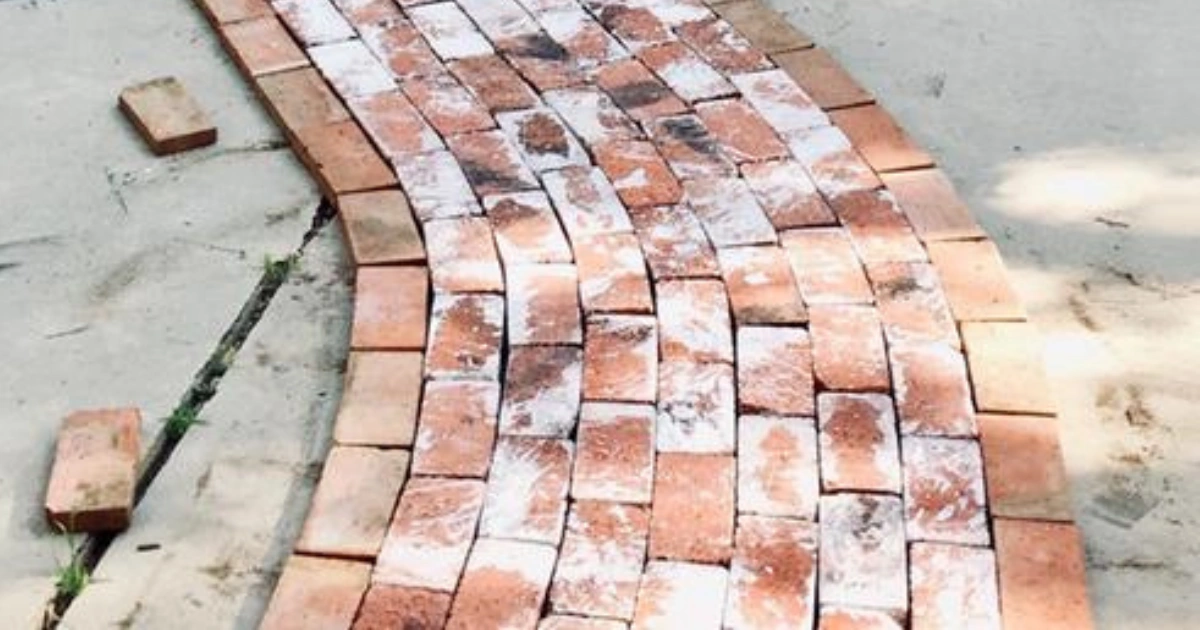
Creating a pathway or patio with pavers can add a great deal of charm and function to your garden or outdoor space. Whether you’re constructing a new walkway, a backyard patio, or a garden path, understanding the correct method for laying pavers is key to achieving long-term durability and a smooth, attractive surface. Here’s a step-by-step guide to help you lay pavers successfully, ensuring they stay secure and maintain their beauty for years.
Step 1: Plan Your Design
Before you even begin, it’s important to plan out the design of your paver layout. Decide the size, shape, and overall look of your path or patio. For a more intricate design, you might want to sketch out the layout, and even consider purchasing different types of pavers for visual contrast.
Step 2: Gather the Necessary Materials and Tools
To lay pavers correctly, you’ll need a few essential materials and tools:
- Pavers: These are the stones or tiles you’ll be laying down. Choose the type that suits your design.
- Concrete Edge (Optional): This helps to keep the pavers secure and can prevent them from shifting over time.
- RCA Base (Recycled Concrete Aggregate): This material serves as a stable foundation for your pavers.
- Fine Sand: Used as a leveling material for the surface beneath the pavers.
- Compacted Soil or Gravel: Helps to create a solid base.
- Tools: A shovel, rake, broom, wheelbarrow, rubber mallet, and a level.
Step 3: Prepare the Area
The first physical step is to prepare the area where you plan to lay the pavers. Mark the boundaries using string and stakes. Once the area is marked, you will need to dig out the soil to a depth of around 4–6 inches for a standard paver installation (deeper if you are laying pavers for a heavy load area, like a driveway).
Ensure that the area is level and that there is proper drainage for water to flow. A slight slope (about 1 inch for every 8 feet) will help direct rainwater away from the pavers. Once you’ve dug the area, compact the soil to create a solid foundation.
Step 4: Add the RCA Base
Now it’s time to add the RCA base. Spread it evenly over the compacted soil, creating a depth of about 3–4 inches. The RCA base will provide stability and drainage. Once spread, use a plate compactor to firmly press the base into place. A compacted base will ensure that the pavers stay level and secure over time.
Step 5: Lay the Sand
Next, spread a thin layer of fine sand (about 1 inch) over the compacted base. This layer helps to level the surface further, making sure that your pavers sit evenly. Use a rake to spread the sand and a board to screed it smooth. The sand also serves as a bedding layer that allows the pavers to settle into position.
Step 6: Lay the Pavers
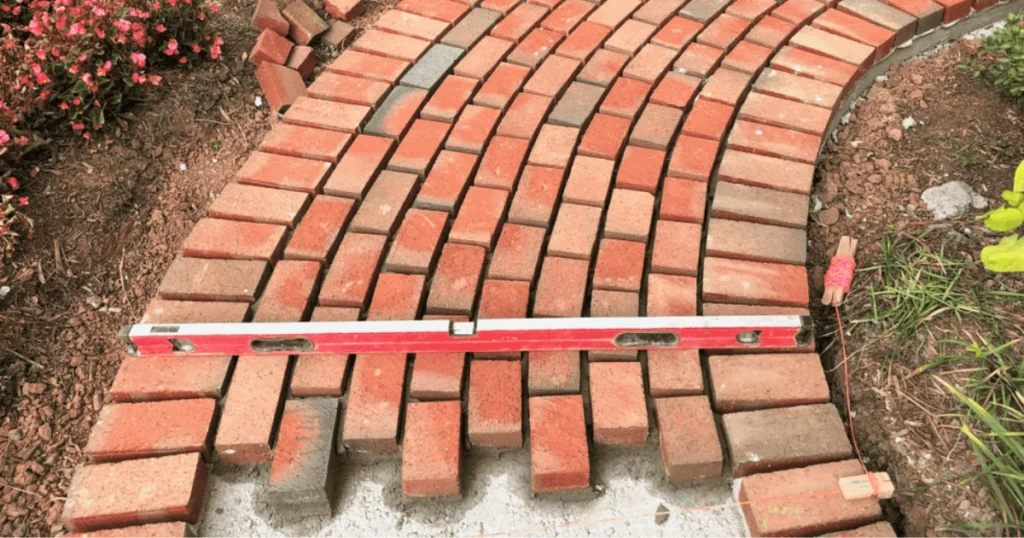
Start laying the pavers at one corner, working your way across the area. As you lay each paver, leave a small gap (about 1/8 inch) between them to allow for movement and expansion. For perfectly aligned pavers, use a rubber mallet to tap them gently into place. Always check the level of the pavers with a leveling tool to ensure that they are even with one another.
For straight-edged paths or patios, use a string line to keep the pavers in line. If you’re working with curves, lay the pavers around the edges gradually, ensuring that each stone fits snugly.
Step 7: Fill the Joints with Sand
Once all of the pavers are laid, spread fine sand over the surface and use a broom to sweep it into the gaps between the pavers. This is an important step because the sand helps to lock the pavers into place. After filling the gaps, lightly mist the surface with water to settle the sand.
You may need to repeat this process a few times to ensure that all the gaps are completely filled with sand.
Step 8: Compact the Pavers
Use a plate compactor over the pavers to set them into the sand bed. This step is crucial because it ensures the pavers are firmly seated in the sand and prevents them from shifting. When you compact the pavers, be sure to place a layer of cardboard or a rubber mat between the compactor and the pavers to avoid damaging them.
Step 9: Clean and Seal the Pavers (Optional)
Once the pavers are laid and compacted, give the surface a final cleaning with a broom. If you prefer, you can also seal the pavers with a special sealer to enhance their color and durability. This will also protect them from stains and the weather.
Tips for Success
- Proper drainage: Ensure that your paver project includes proper drainage to prevent water from pooling in your path or patio. A slight slope is key to keeping water from collecting.
- Edge Restraints: Install edging or restraint materials, especially if your paver installation borders a garden bed or lawn. This will prevent the pavers from shifting out of place.
- Be patient: Don’t rush through the process. Taking your time to level, compact, and lay the pavers properly will ensure that your pathway or patio lasts for years.
Conclusion
Laying pavers is a rewarding DIY project that can significantly improve your outdoor living space. By following the steps above, you can create a sturdy and visually appealing pathway, patio, or driveway that will withstand the test of time. With a little preparation, patience, and attention to detail, you’ll be able to enjoy your newly paved space for many years to come