
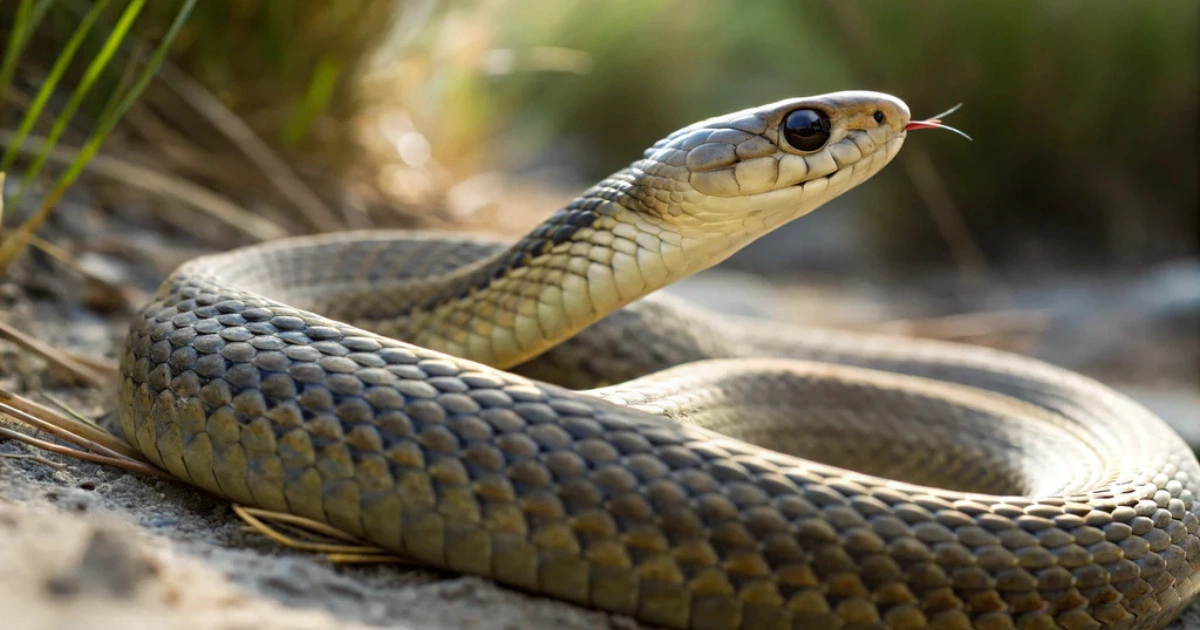
Snakes are a vital part of natural ecosystems, yet they also inspire fear and confusion. One of the most common questions people ask is how to tell venomous and non-venomous snakes apart. This topic becomes especially important for gardeners, hikers, homeowners, and anyone living near natural or semi-natural areas.
Understanding basic identification clues can improve awareness and reduce unnecessary panic. However, it is equally important to recognize the limits of visual identification. No method is completely reliable, and safety should always come first.
This guide explains the most commonly discussed differences between venomous and non-venomous snakes, clarifies common myths, and provides practical safety advice grounded in expert guidance.
Understanding Snake Venom and Why Identification Matters
Snake venom is a specialized biological weapon used primarily to subdue prey. Not all snakes are venomous, and even among venomous species, behavior varies widely.
Learning how to tell venomous and non-venomous snakes apart is not about encouraging close inspection. Instead, it is about recognizing warning signs at a distance and knowing when to keep away.
Misidentification can be dangerous. Many harmless snakes are killed unnecessarily, while overconfidence around venomous species can lead to serious injury.
Pupil Shape: A Common but Limited Clue
One of the most popular identification tips involves pupil shape.
Many non-venomous snakes tend to have round pupils, similar to humans. Many venomous species, particularly vipers, often have vertical, slit-like pupils.
However, this rule has important exceptions.
Some highly venomous snakes, including cobras, mambas, and coral snakes, have round pupils. Lighting conditions can also affect how pupils appear, making this feature unreliable in the field.
Pupil shape should never be used as a sole method to decide whether a snake is dangerous.
Head Shape and Neck Definition
Head shape is another frequently cited characteristic when learning how to tell venomous and non-venomous snakes apart.
Venomous vipers often have a broad, triangular head with a narrow neck. This shape is linked to the venom glands located behind the eyes.
Non-venomous snakes commonly have a more streamlined head that blends smoothly into the body.
That said, many harmless snakes can flatten their heads when threatened, making them appear triangular. Conversely, some venomous snakes naturally have narrow heads.
Head shape can offer context but should never be treated as definitive proof.
Body Thickness, Tail Shape, and Proportions
Body structure can sometimes provide additional hints.
Non-venomous snakes often have long, slender bodies with tails that taper gradually. Their overall appearance may seem more uniform.
Venomous snakes, especially vipers, often have thicker bodies and shorter tails relative to their size. Their tail may appear abruptly tapered.
Still, this guideline varies widely by species, age, and health. Juvenile snakes, in particular, may not match typical adult proportions.
Color Patterns and Markings
Many people assume that bright colors or bold patterns signal danger. While this can be true in some cases, it is not a universal rule.
Some venomous snakes display strong contrasts, such as zigzag patterns or hourglass-shaped bands. Others, however, are dull and well-camouflaged.
Likewise, many non-venomous snakes mimic the colors of venomous species as a defense mechanism. This mimicry can make visual identification extremely challenging.
Color alone should never be used to determine whether a snake is venomous.
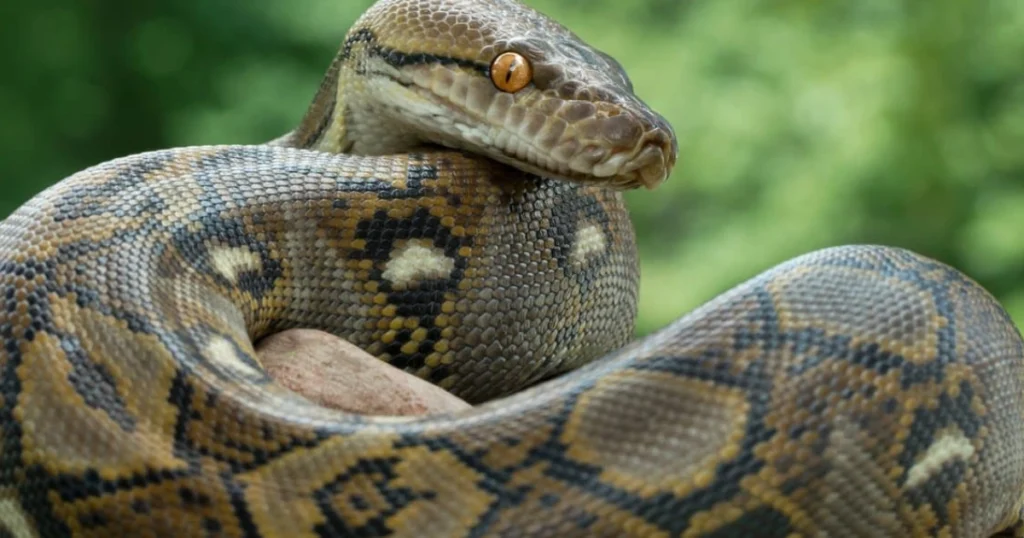
Behavior and Defensive Posture
Behavioral cues can sometimes provide useful information when observing snakes from a safe distance.
Non-venomous snakes often attempt to flee quickly when encountered. Some may freeze, relying on camouflage.
Venomous snakes are more likely to hold their ground, coil defensively, or display warning behaviors such as hissing, tail vibration, or hood spreading in certain species.
However, behavior varies greatly depending on temperature, stress, and the snake’s individual temperament. A calm-looking snake can still be dangerous.
Activity Patterns: Day vs. Night
Another point often mentioned in discussions about how to tell venomous and non-venomous snakes apart involves activity timing.
Many non-venomous snakes are active during daylight hours, especially in cooler climates. Some venomous species are more active at night, particularly in hot regions.
Yet this pattern is far from universal. Many venomous snakes are diurnal, and many non-venomous snakes are nocturnal.
Activity patterns should be seen as ecological information, not an identification tool.
Why Visual Identification Is Often Unreliable
While the features discussed above can provide general insights, experts consistently warn against relying on visual traits alone.
Several factors make identification difficult:
- Many snakes change appearance when threatened
- Juvenile snakes look different from adults
- Lighting and distance distort perception
- Regional species vary widely
Even trained herpetologists avoid making snap judgments without proper tools and conditions.
For this reason, the safest assumption is to treat any unknown snake as potentially venomous.
What To Do When You Encounter a Snake
Knowing how to tell venomous and non-venomous snakes apart is less important than knowing how to respond safely.
If you see a snake:
- Stop and remain calm
- Keep a safe distance
- Do not attempt to touch, capture, or kill it
- Slowly back away if possible
Most snake bites occur when people try to handle or kill snakes. Leaving the animal alone greatly reduces risk.
Snake Safety Around Homes and Gardens
Homeowners and gardeners can take steps to reduce unwanted snake encounters.
Helpful measures include:
- Keeping grass and vegetation trimmed
- Removing piles of wood, rocks, and debris
- Sealing gaps under doors and fences
- Controlling rodent populations
Snakes are attracted to shelter and prey. Managing these factors lowers the chance of surprise encounters.
When to Seek Professional Help
If a snake is found inside a home, shed, or enclosed space, contact local wildlife control or animal services.
Many regions have trained professionals who can safely relocate snakes without harming them.
Attempting removal without training increases the risk of injury for both people and animals.
FAQ: Common Questions About Snake Identification
Can you always tell if a snake is venomous by looking at it?
No. Visual identification is often unreliable, even for experienced observers. Many venomous and non-venomous snakes share similar features.
Are triangular heads always a sign of venom?
No. Many harmless snakes flatten their heads when threatened, while some venomous species naturally have narrow heads.
Do venomous snakes always look aggressive?
No. Some highly venomous snakes appear calm and non-threatening. Behavior alone is not a safe indicator.
Is pupil shape a reliable method?
No. While some venomous snakes have slit pupils, many dangerous species have round pupils, and lighting can distort appearance.
What is the safest way to treat unknown snakes?
Always assume an unknown snake could be venomous and keep your distance.
Internal Linking Suggestions
To strengthen topical relevance and user engagement, consider linking to related articles from secretsofthegreengarden.com, such as:
- “How to Make Your Garden Less Attractive to Snakes”
- “Common Wildlife Visitors in Backyard Gardens”
- “Natural Ways to Protect Outdoor Spaces Without Chemicals”
External Authoritative Resources
For scientifically accurate and safety-focused information, the following high-authority sources are recommended:
- Centers for Disease Control and Prevention: Snake Bite Prevention and First Aid
https://www.cdc.gov/niosh/topics/snakes - U.S. National Park Service: Living Safely With Snakes
https://www.nps.gov/articles/snakes.htm - University of Florida IFAS Extension: Venomous and Non-Venomous Snakes
https://edis.ifas.ufl.edu
Final Thoughts
Learning how to tell venomous and non-venomous snakes apart can improve awareness, but it should never replace caution. Nature does not follow simple rules, and snakes are a perfect example of this complexity.
Respecting wildlife, keeping a safe distance, and understanding basic safety principles are far more effective than relying on visual shortcuts. When in doubt, step back and let the snake move on.