
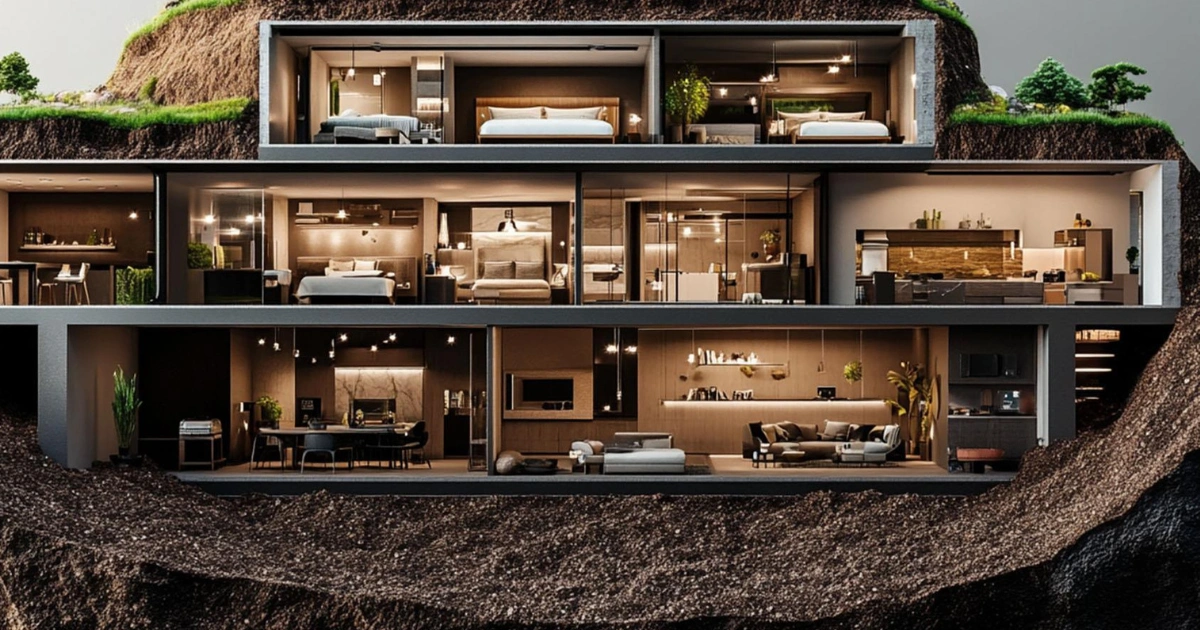
A self-sustaining underground bunker is no longer just a survivalist fantasy. Advances in renewable energy, water management, and underground architecture have transformed bunkers into functional, comfortable living spaces designed for long-term independence. These structures combine safety, efficiency, and sustainability, making them appealing for emergency preparedness, off-grid living, and climate resilience.
This article explores how a self-sustaining underground bunker works, the essential systems involved, design considerations, and the advantages and limitations of living below ground.
Primary Keyword
self-sustaining underground bunker
What Is a Self-Sustaining Underground Bunker?
A self-sustaining underground bunker is a subterranean structure designed to operate independently from public utilities. It typically includes its own energy generation, water supply, waste management, food storage, and climate control systems.
Unlike traditional shelters, modern bunkers prioritize habitability. Many are designed as full homes with bedrooms, kitchens, workspaces, and storage areas that allow occupants to live comfortably for extended periods.
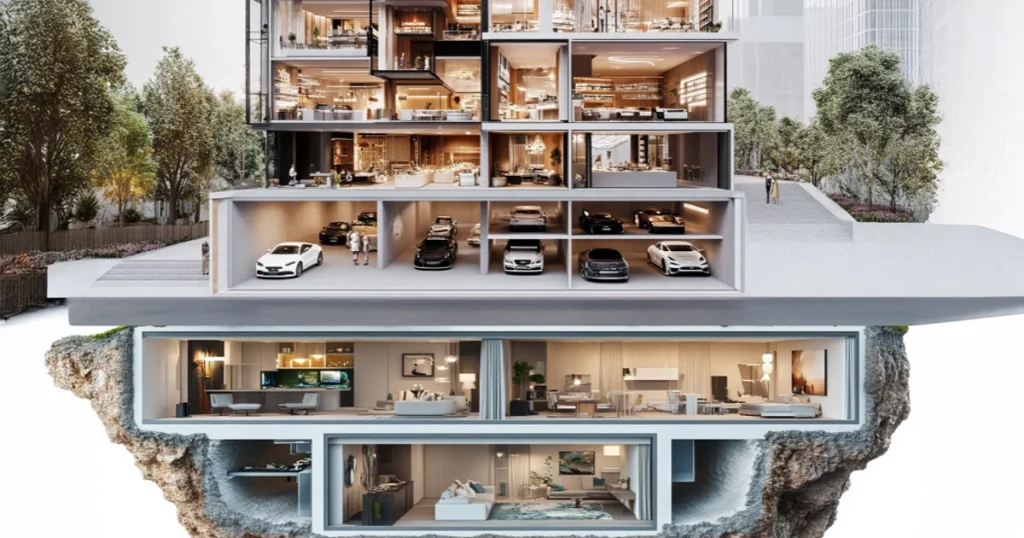
Why Underground Living Is Gaining Popularity
Interest in underground living has grown due to environmental, social, and economic factors. Rising concerns about extreme weather, power outages, and infrastructure vulnerability have pushed many people to consider resilient housing alternatives.
Key reasons for this growing interest include:
- Protection from natural disasters
- Stable indoor temperatures year-round
- Reduced exposure to external threats
- Lower long-term energy consumption
Underground structures naturally insulate against heat and cold, making them efficient and discreet.
Core Systems in a Self-Sustaining Underground Bunker
Renewable Energy Generation
Energy independence is a cornerstone of bunker sustainability. Most systems rely on a combination of renewable sources.
Common energy solutions include:
- Solar panels installed above ground
- Small wind turbines for supplemental power
- Battery storage systems for nighttime and low-output periods
- Backup generators for emergencies
Energy-efficient appliances and LED lighting reduce overall consumption.
Water Collection and Management
A self-sufficient bunker must secure a reliable water supply. Water systems are often designed with redundancy to ensure long-term viability.
Typical water solutions include:
- Rainwater harvesting systems
- Underground cisterns for storage
- Advanced filtration and purification units
- Greywater recycling for irrigation or flushing
Water efficiency is critical, especially in long-term scenarios.
Air Filtration and Ventilation
Living underground requires a carefully designed air system. Proper ventilation ensures oxygen circulation and prevents moisture buildup.
Essential components include:
- Fresh air intake shafts
- HEPA and carbon filters
- Humidity control systems
- Passive airflow design when possible
These systems protect occupants from contaminants while maintaining indoor comfort.
Food Storage and Production
Long-term food security is another defining feature of a self-sustaining underground bunker.
Food strategies often involve:
- Climate-controlled pantries
- Freeze-dried and canned food storage
- Root cellars for fresh produce
- Indoor hydroponic or aquaponic systems
Some bunkers integrate small grow rooms using LED grow lights for continuous food production.
Interior Design and Livability
Multi-Level Layouts
Modern bunkers often use multiple underground levels to separate functions and improve organization.
Common layout elements include:
- Living and dining areas on upper levels
- Bedrooms and bathrooms on mid-levels
- Storage, utilities, and mechanical rooms on lower levels
This structure enhances privacy, safety, and noise control.
Psychological Comfort
One of the biggest challenges of underground living is mental well-being. Designers address this through thoughtful interior planning.
Features that improve comfort include:
- Warm lighting and natural color palettes
- Artificial daylight systems
- Open floor plans where possible
- Soundproofing for quiet living
Comfort is essential for long-term habitation.
Safety and Structural Considerations
Reinforced Construction
A self-sustaining underground bunker must withstand soil pressure, moisture, and potential seismic activity.
Structural elements often include:
- Reinforced concrete walls
- Waterproof membranes
- Drainage layers around the structure
- Steel-reinforced access points
These measures protect against collapse and flooding.
Secure Access Points
Entrances are designed to balance accessibility and security.
Common features include:
- Hardened doors
- Hidden or discreet entryways
- Emergency exits
- Stairwells or vertical shafts
Security planning depends on the intended use of the bunker.
Environmental Benefits of Underground Living
While bunkers are often associated with emergencies, they also offer environmental advantages.
Benefits include:
- Reduced land footprint
- Lower heating and cooling energy needs
- Minimal visual impact on landscapes
- Efficient use of natural insulation
When paired with renewable systems, underground homes can significantly reduce carbon emissions.
Limitations and Challenges
Despite their advantages, self-sustaining underground bunkers are not without drawbacks.
Challenges include:
- High initial construction costs
- Complex engineering requirements
- Limited natural light
- Regulatory and zoning restrictions
Careful planning and professional guidance are essential before construction.
Who Should Consider a Self-Sustaining Underground Bunker?
This type of structure may appeal to:
- Off-grid living enthusiasts
- Emergency preparedness planners
- Remote property owners
- Sustainability-focused homeowners
It is not a one-size-fits-all solution, but it offers unmatched resilience for those prepared to invest in it.
Frequently Asked Questions
How long can a self-sustaining underground bunker support occupants?
With proper design and maintenance, it can support occupants indefinitely, depending on food and energy systems.
Is it legal to build an underground bunker?
Legality depends on local building codes and zoning laws. Permits are often required.
Are underground bunkers safe from flooding?
Yes, if proper drainage, waterproofing, and site selection are implemented.
Can a bunker be comfortable for daily living?
Modern designs prioritize comfort and can feel similar to traditional homes.
Do underground bunkers require maintenance?
Yes. Systems like filtration, batteries, and generators need regular checks.
Internal Linking Suggestions for secretsofthegreengarden.com
- Off-Grid Living Basics for Beginners
- Sustainable Home Design Ideas
- Rainwater Harvesting Systems Explained
External High-Authority Sources
- U.S. Department of Energy – Renewable energy systems
- FEMA – Emergency preparedness and shelter guidance
- National Renewable Energy Laboratory – Off-grid energy research
Final Thoughts
A self-sustaining underground bunker represents a fusion of resilience, sustainability, and modern engineering. Far from being dark shelters, today’s bunkers can function as efficient, comfortable homes capable of supporting life independently for years.
While the investment and planning requirements are significant, the payoff is unmatched security and self-reliance. For those seeking long-term independence and environmental resilience, underground living offers a compelling path forward.