
Croissants are one of the most iconic pastries in the world, celebrated for their flaky layers, rich butter flavor, and versatility. While the traditional butter croissant remains a timeless favorite, modern bakeries and home bakers alike have expanded this classic pastry into a wide range of sweet and savory flavored croissants.
From chocolate-filled creations to savory garlic butter or smoked salmon croissants, flavored croissants offer endless possibilities while preserving the delicate structure that defines this pastry. This guide explores the foundations of butter croissants, popular flavor variations, baking principles, and practical tips for achieving consistent results.
What Makes a Croissant Unique
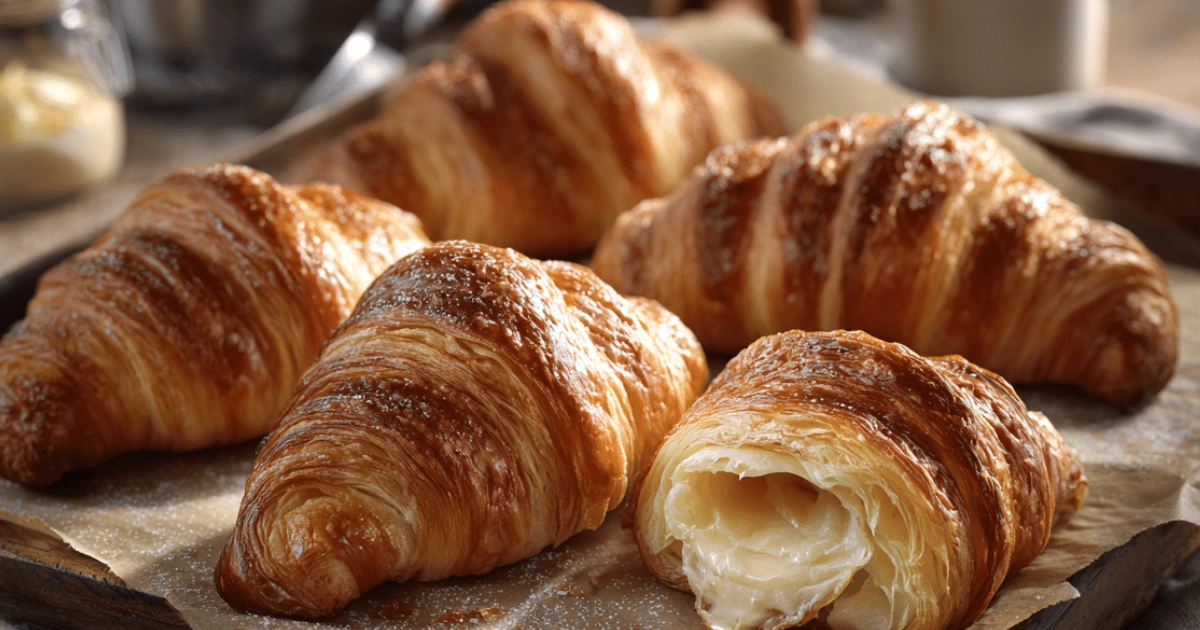
A croissant is a laminated pastry, meaning it is made by folding butter repeatedly into dough to create thin layers. During baking, the butter melts and releases steam, separating the dough layers and producing a light, airy texture.
Key characteristics of a well-made croissant include:
- Distinct visible layers
- Crisp exterior with a tender interior
- Balanced buttery flavor without greasiness
- Even browning and gentle rise
The quality of ingredients and proper technique matter more than complexity.
The Foundation: Classic Butter Croissant
The butter croissant is the base for nearly all flavored variations. It relies on simple ingredients but precise execution.
Core Components of Butter Croissant Dough
- Flour with moderate protein content
- Sugar for mild sweetness and fermentation support
- Yeast for leavening
- Salt for structure and flavor balance
- Milk or water for hydration
- High-quality cold butter for lamination
- Egg wash for color and sheen
European-style butter with higher fat content is often preferred because it creates more stable layers and richer flavor.
Why Butter Quality Matters
Butter is not just a flavoring in croissants; it is a structural ingredient. Low-quality butter can melt too quickly, causing layers to collapse. High-fat butter remains pliable during lamination and bakes evenly.
According to research from dairy science institutions, butter with a fat content above 82 percent performs best in laminated doughs.
Sweet Croissant Variations
Sweet croissants are popular for breakfast, dessert, and café menus. They maintain the buttery base while introducing complementary flavors.
Chocolate and Oreo Croissants
Chocolate croissants, often called pain au chocolat, are among the most recognizable variations. Modern versions include spreads, ganache, or crushed cookies.
Oreo-style croissants combine:
- Chocolate spread or ganache
- Crushed chocolate sandwich cookies
- Powdered sugar dusting for visual appeal
The key is moderation. Overfilling can cause leakage and compromise the pastry’s structure.
Matcha Croissants
Matcha croissants blend French pastry techniques with Japanese flavors. Matcha powder adds a mild bitterness that contrasts with buttery dough.
Common fillings include:
- Matcha-flavored butter
- Sweetened white bean paste
- Light cream-based fillings
Matcha croissants appeal to consumers looking for visually distinctive and less sugary pastries.
Fruit-Based Sweet Croissants
Apple, berry, or citrus-flavored croissants offer freshness and acidity. Lightly cooking fruit before filling helps control moisture and prevents soggy layers.
Savory Croissant Variations
Savory croissants transform the pastry into a meal option. They are increasingly popular for brunch and lunch menus.
Garlic Butter Croissants
Garlic butter croissants are made by brushing baked croissants with a mixture of butter, minced garlic, herbs, and cheese.
Key elements include:
- Softened butter for even coating
- Fresh garlic for aroma
- Parsley or herbs for balance
- Parmesan for umami depth
These croissants are best served warm and pair well with soups or salads.
Smoked Salmon Croissants
Smoked salmon croissants are a refined savory option often served for brunch.
Typical fillings include:
- Smoked salmon slices
- Cream cheese
- Fresh dill
- Lemon juice for brightness
This variation works best when croissants are split after baking rather than baked with filling, preserving texture and freshness.
Baking Principles for Flavored Croissants
Regardless of flavor, successful croissants follow the same technical rules.
Temperature Control
Cold dough and cold butter are essential during lamination. Warm conditions cause butter to melt prematurely, ruining layers.
Ideal conditions include:
- Dough temperature below 18°C (65°F)
- Chilled resting periods between folds
- Cool work surfaces
Proofing and Baking
Croissants require slow proofing to develop flavor and structure. Overproofing causes collapse, while underproofing leads to dense texture.
Baking at a high initial temperature allows steam expansion before the crust sets.
Storage and Freshness
Croissants are best consumed fresh. However, they can be stored or prepared in advance with proper methods.
- Unbaked shaped croissants can be frozen
- Baked croissants can be reheated briefly to restore crispness
- Filled croissants should be stored refrigerated and consumed quickly
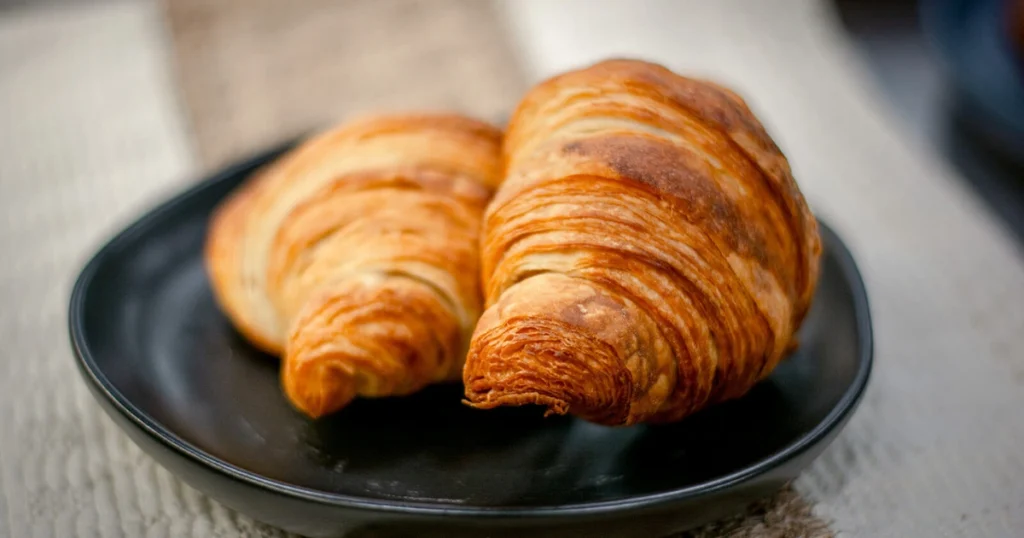
Avoid airtight containers for fully baked croissants, as trapped moisture softens the crust.
Nutritional Perspective
Croissants are indulgent foods and should be enjoyed in moderation. Butter-based pastries are calorie-dense but can fit into balanced eating patterns.
Savory croissants with protein-rich fillings may offer greater satiety than sweet versions.
For nutrition guidance, consult reputable sources such as the Harvard T.H. Chan School of Public Health.
Common Mistakes to Avoid
- Using warm or soft butter during lamination
- Overloading croissants with filling
- Skipping resting times between folds
- Baking at low temperatures
- Cutting croissants before fully cooled
Attention to technique makes a greater difference than complex flavor additions.
Frequently Asked Questions
Are croissants difficult to make at home?
They require patience rather than advanced skill. With temperature control and rest periods, home bakers can achieve good results.
Can flavored croissants be made with store-bought dough?
Yes, but results will vary. Homemade laminated dough offers better texture and flavor.
Why do my croissants leak butter?
This usually happens when butter melts before baking due to warm dough or insufficient lamination.
Can croissants be made without butter?
True croissants rely on butter. Alternatives create different pastries but not authentic croissants.
Are savory croissants healthier than sweet ones?
They may contain less sugar, but overall nutrition depends on portion size and filling choices.
Internal Linking Suggestions for secretsofthegreengarden.com
- Homemade Bakery Doughs for Sweet and Savory Pastries
- Cinnamon Rolls and Soft Bread Variations
- Traditional European Baking Techniques Explained
External High-Authority References
- Harvard T.H. Chan School of Public Health – Dietary fats and balance
- USDA FoodData Central – Butter and pastry nutrition
- King Arthur Baking Education – Lamination techniques
Final Thoughts
Butter and flavored croissants represent a balance between tradition and creativity. While the classic butter croissant remains the foundation, modern variations allow bakers to explore sweet and savory flavors without sacrificing structure or quality.
Mastering croissant dough opens the door to endless combinations, from rich chocolate creations to refined savory fillings. With proper technique, ingredient quality, and patience, croissants can be both an artisanal craft and a rewarding baking experience.