
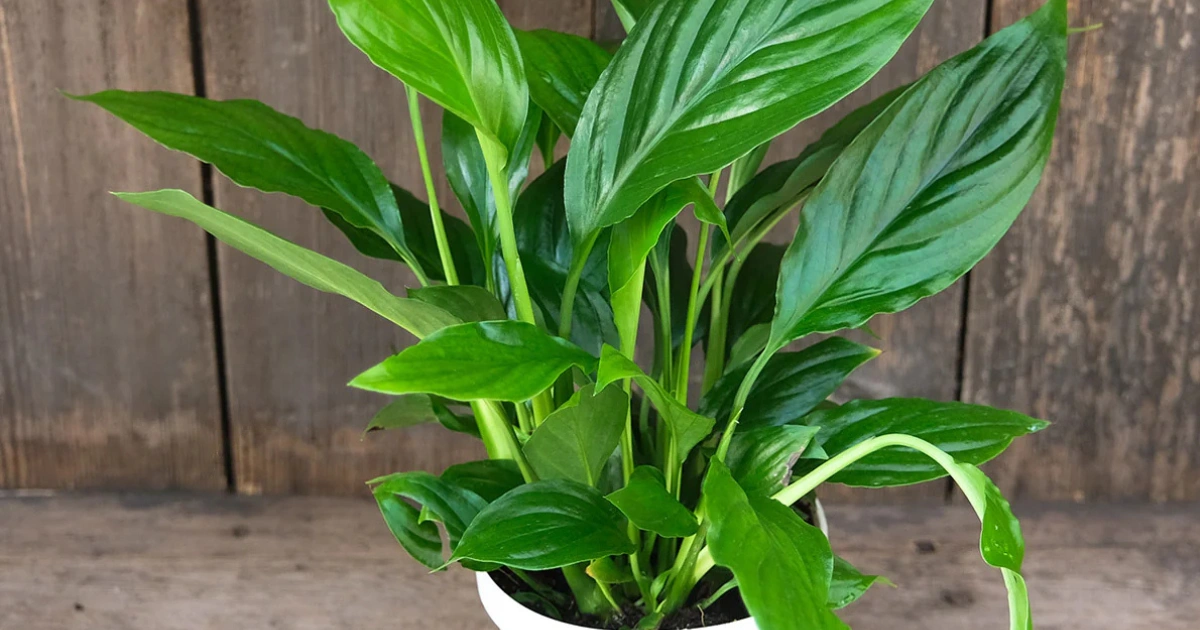
Peace lilies are loved for their elegant white blooms and glossy green leaves, yet many owners struggle to get them to flower after bringing them home. The plant may look healthy, grow new leaves, and still refuse to bloom. This often leads people to believe something is “wrong” with their plant, when in reality, the issue is usually related to stress, environment, or subtle care mistakes.
One widely discussed method involves a simple kitchen ingredient: cinnamon. Used correctly, it can support overall plant health and indirectly encourage blooming. However, understanding why it works and how to apply it safely is essential.
This guide explains the science behind peace lily flowering, how cinnamon fits into plant care, and what truly helps your peace lily produce blooms again.
Understanding Peace Lily Blooming Behavior
Peace lilies do not bloom continuously. In nature, flowering happens during specific growth phases when conditions are stable and favorable. After purchase, many plants stop blooming because they are adjusting to a new environment.
Common reasons peace lilies stop flowering include:
- Sudden changes in light or temperature
- Stress from repotting or relocation
- Inconsistent watering
- Nutrient imbalance
- Low light conditions
Blooming resumes only when the plant feels secure and has enough stored energy.
Transplant and Environmental Shock
Why relocation affects flowering
When a peace lily is moved from a greenhouse or nursery to a home, it experiences a dramatic shift in conditions. Light intensity, humidity, air circulation, and temperature can all change at once.
This “relocation stress” often causes:
- Temporary leaf drooping
- Slower growth
- Suspension of flower production
The plant focuses on survival first. Flowering becomes a low priority until conditions stabilize.
How to reduce stress
- Place the plant in bright, indirect light
- Avoid cold drafts and direct sunlight
- Maintain stable indoor temperatures
- Do not repot immediately unless necessary
Once the peace lily adapts, it can redirect energy toward blooming.
The Cinnamon Water Method Explained
Why cinnamon is used in plant care
Cinnamon is known for its natural antifungal and antimicrobial properties. In gardening, it is often used as a mild soil treatment rather than a fertilizer.
When diluted properly, cinnamon may help by:
- Reducing fungal activity in the soil
- Discouraging certain soil pests
- Supporting root-zone hygiene
Healthier roots allow the plant to absorb nutrients more efficiently, which indirectly supports flowering.
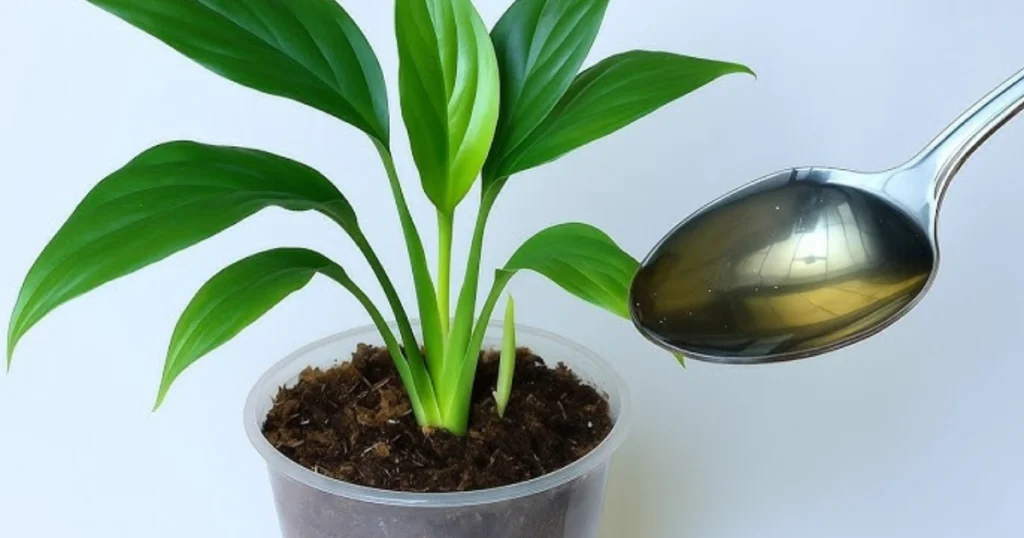
How to prepare cinnamon water safely
A gentle mixture is essential. Overuse can harm beneficial soil microbes.
Basic preparation:
- 1 liter of water
- 1 teaspoon of ground cinnamon
- Stir thoroughly
- Water lightly around the root zone, not directly on leaves
This is not a bloom stimulant in the chemical sense. It is a supportive treatment that helps reduce stress factors.
How Often to Apply Cinnamon Water
Moderation is critical. Cinnamon is powerful even in small amounts.
Recommended frequency:
- Once per week at most
- Reduce to once every two weeks for sensitive plants
- Stop use if soil appears dry or compacted
Excessive use can interfere with soil balance and root respiration.
What Cinnamon Does Not Do
It is important to set realistic expectations. Cinnamon does not:
- Replace fertilizer
- Force immediate flowering
- Correct severe nutrient deficiencies
- Compensate for poor lighting
It works best as a supportive tool, not a miracle solution.
Other Natural Soil Boosters for Peace Lilies
When used sparingly, natural additives can complement basic care.
Used tea leaves
- Must be dried completely
- Mixed lightly into the topsoil
- Adds organic matter, not instant nutrients
Banana peel and eggshell powder
- Banana peels supply potassium when decomposed
- Eggshells add calcium slowly
- Both must be dried and crushed finely
- Use in very small quantities
Cloves in the soil
- Release compounds gradually
- May discourage some soil pests
- Should be used sparingly to avoid overpowering the soil
Natural additives work slowly and should never replace proper feeding and watering routines.
The “Blooming Elixir” Myth Explained
Mixtures containing sugar and yeast are sometimes promoted as bloom boosters. While yeast can release trace nutrients during fermentation, improper use can damage roots or promote harmful microbes.
If used at all:
- Always dilute heavily
- Apply no more than once per month
- Never apply to dry soil
In many cases, consistent care outperforms experimental mixtures.
Light: The Real Key to Flowering
No supplement can compensate for insufficient light. Peace lilies require bright, indirect light to bloom.
Signs of inadequate light:
- Healthy leaves but no flowers
- Slow growth
- Dark green foliage with no new stems
Best placement:
- Near an east- or north-facing window
- Filtered sunlight through sheer curtains
- Avoid direct sun exposure
Improving light conditions often triggers flowering within weeks.
Proper Watering Practices
Peace lilies prefer evenly moist soil but dislike standing water.
Best practices:
- Water when the top layer of soil feels slightly dry
- Use room-temperature water
- Ensure good drainage
- Empty saucers after watering
Water stress is one of the most common reasons blooms fail to appear.
Fertilization and Bloom Support
Peace lilies need nutrients to produce flowers, but overfertilization is harmful.
Use:
- A balanced, diluted houseplant fertilizer
- Apply every 6–8 weeks during active growth
- Avoid high-nitrogen formulas
Too much nitrogen promotes leaves at the expense of flowers.
Long-Term Blooming Strategy
For consistent flowering:
- Maintain stable conditions
- Avoid frequent relocation
- Provide steady light
- Keep soil healthy, not overloaded
- Be patient
Peace lilies often bloom in cycles, not continuously.
FAQ: Peace Lily Blooming Questions
Why does my peace lily have healthy leaves but no flowers?
This usually indicates insufficient light or mild stress. Flowering requires brighter indirect light than leaf growth.
Is cinnamon safe for peace lilies?
Yes, when used in very small, diluted amounts. Overuse can disrupt soil balance.
How long does it take for a peace lily to bloom again?
After conditions improve, flowering may resume within several weeks to a few months.
Can natural remedies replace fertilizer?
No. They can support soil health but do not provide complete nutrition.
Should I repot my peace lily to encourage blooms?
Only if the plant is root-bound. Unnecessary repotting can delay flowering.
Internal Linking Suggestions from secretsofthegreengarden.com
To strengthen topical authority, consider linking to:
- How to Care for Peace Lilies Indoors
- Natural Soil Boosters for Houseplants
- Best Light Conditions for Flowering Indoor Plants
These topics naturally support peace lily care and blooming success.
External Authority Sources
For research-backed plant care guidance, consider referencing:
- University Cooperative Extension programs on indoor plant care
- Royal Horticultural Society resources on houseplants
- USDA publications on plant stress and soil health
Final Thoughts
There is no single spoon or secret that forces peace lilies to bloom. However, gentle methods like diluted cinnamon water can support root health when used correctly. Combined with proper light, steady watering, and patience, these small adjustments create the conditions peace lilies need to flower naturally.
Healthy roots, stable environments, and consistent care remain the true foundation of long-lasting blooms.
Backbiome is an advanced daily wellness supplement formulated to help support spinal comfort, reduce feelings of built-up tension, and promote freer, smoother movement throughout backbiome everyday life.