
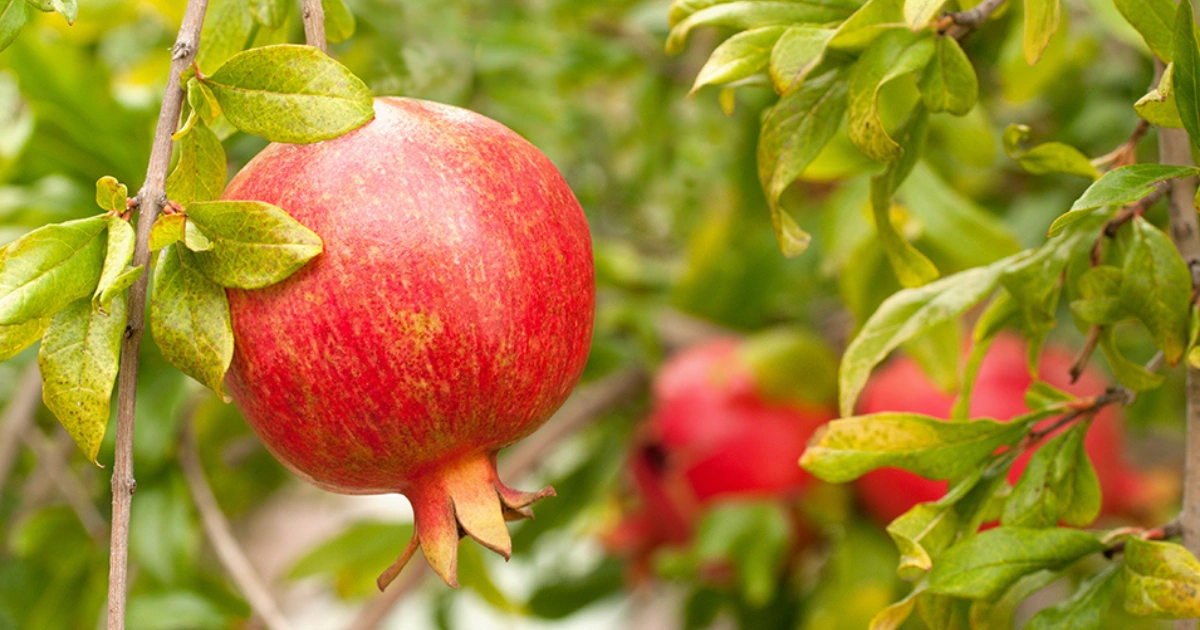
Pomegranates are often chosen for their flawless appearance. Smooth skin, rich color, and heavy weight usually suggest a sweet, juicy fruit waiting inside. Yet many gardeners and buyers experience a frustrating surprise when they open the fruit and find dry, pale, hard seeds instead of tender, ruby arils. This problem is more common than most people realize and is rarely caused by bad luck.
In most cases, woody pomegranate seeds are the result of growing conditions rather than genetics or harvest timing alone. Understanding what causes this internal dryness is the key to producing consistently high-quality fruit.
Understanding Woody Pomegranate Seeds
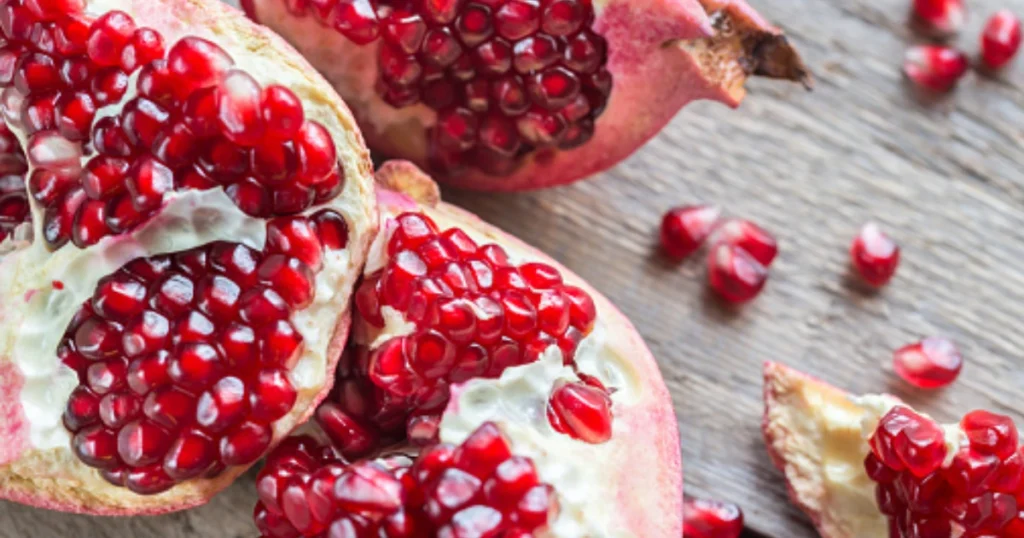
The main edible part of a pomegranate is the aril, the juicy coating surrounding each seed. When conditions are ideal, arils are plump, translucent, and full of sweetness. When something disrupts fruit development, the arils can dry out and harden while the outer skin continues to mature normally.
This mismatch between external appearance and internal quality often misleads growers into thinking the fruit is ready and healthy when it is not.
The Role of Nutrient Imbalance
Boron deficiency and sugar transport
Boron is a trace element, but its impact on fruit quality is significant. In pomegranates, boron plays a central role in transporting sugars from the leaves into the developing fruit.
When boron levels are too low:
- Sugars fail to reach the arils efficiently
- Seeds remain underdeveloped and dry
- Flavor becomes weak or bland
Boron deficiency is especially common in sandy soils or regions with heavy rainfall that leaches micronutrients away.
Calcium and fruit structure
Calcium strengthens cell walls and maintains healthy fruit tissue. Without adequate calcium:
- Arils lose flexibility
- Internal tissue becomes corky or fibrous
- Seeds harden prematurely
Unlike nitrogen or potassium, calcium does not move easily within the plant. Even if soil levels are adequate, irregular watering can prevent calcium from reaching the fruit.
Irregular Watering and Fruit Stress
One of the most common causes of woody pomegranate seeds is inconsistent watering. Pomegranate trees tolerate drought better than many fruit trees, but uneven moisture during fruit development creates serious internal stress.
When a tree experiences prolonged dryness followed by sudden heavy irrigation:
- Cells inside the fruit rupture
- Developing arils stop growing
- Seeds harden as a survival response
This stress response protects the fruit structure but sacrifices internal quality. Maintaining steady soil moisture is far more important than watering deeply but infrequently.
Best watering practices
- Water deeply but consistently
- Avoid allowing soil to completely dry out during fruit growth
- Reduce extreme fluctuations between dry and wet cycles
- Use mulch to stabilize moisture levels
Heat Stress and Sun Exposure
Pomegranates thrive in warm climates, but excessive heat combined with dry air can dehydrate fruit from the inside out. In very hot conditions:
- Moisture is pulled from the arils before ripening finishes
- Skin color develops faster than internal sugars
- Seeds dry while the rind still appears healthy
This problem is most common in exposed orchards, young trees without sufficient canopy, or regions experiencing heat waves during late summer.
Providing partial shade during extreme heat and ensuring adequate soil moisture helps protect fruit quality.
Insect Damage That Goes Unnoticed
Some pests attack pomegranates internally, making damage difficult to detect until the fruit is opened. Certain insects pierce the rind and feed on developing seeds, interrupting normal aril formation.
The result is often:
- Tough, fibrous seeds
- Uneven aril development
- Internal browning or dryness without visible exterior signs
Preventive protection during early fruit development is often more effective than treating visible damage later.
Harvest Timing and Maturity
Harvesting pomegranates too early can also lead to poor internal quality. While skin color is a useful indicator, it should not be the only one.
Signs of proper maturity include:
- A dull, matte finish rather than glossy skin
- Slight flattening of the fruit sides
- A metallic sound when tapped
- Increased weight compared to earlier stages
Picking fruit before sugars fully accumulate can result in pale, dry arils even if growing conditions were otherwise acceptable.
How to Prevent Woody Pomegranate Seeds
Balanced nutrient support
- Apply a micronutrient spray containing calcium and boron twice during fruit development
- First application at early fruit set
- Second application during fruit swelling
- Avoid excessive nitrogen, which promotes leaf growth at the expense of fruit quality
Consistent irrigation
- Maintain steady moisture throughout the growing season
- Use drip irrigation where possible
- Mulch with organic material to reduce evaporation
Soil improvement
- Add well-rotted compost or aged manure in winter
- Improve soil structure to enhance nutrient uptake
- Test soil every few years to monitor micronutrient levels
Physical fruit protection
- Bag individual fruits with breathable paper bags
- Reduce sunburn and insect damage
- Improve overall fruit appearance and quality
Environmental Factors to Monitor
Several environmental conditions increase the risk of internal dryness:
- Prolonged drought followed by heavy rain
- Heat waves during fruit enlargement
- Poor soil drainage
- High salinity in irrigation water
Managing these factors does not require expensive inputs, but it does require attention and consistency throughout the season.
Long-Term Orchard Management Tips
Healthy pomegranate production depends on long-term care rather than quick fixes. Trees that experience repeated stress cycles often produce inconsistent fruit quality year after year.
To improve results over time:
- Prune to maintain balanced canopy shade
- Encourage deep root development
- Rotate organic amendments
- Avoid overcropping young trees
Fruit quality often improves as trees mature and root systems stabilize.
FAQ: Common Questions About Woody Pomegranates
Why are my pomegranates hard inside but sweet outside?
This usually happens when internal arils stop developing due to nutrient imbalance, irregular watering, or heat stress while the skin continues to mature normally.
Can woody pomegranate seeds be eaten?
They are not harmful, but they are unpleasant to eat and lack the juiciness and flavor associated with healthy fruit.
Does variety affect woody seed development?
Some varieties are more tolerant of stress, but even high-quality cultivars can develop woody seeds under poor growing conditions.
Will fertilizer alone fix the problem?
Fertilizer helps, but it must be combined with proper watering, soil health, and environmental management for lasting improvement.
Is this problem common in home gardens?
Yes. Home gardens often experience irregular watering and micronutrient deficiencies, making this issue more frequent than in well-managed orchards.
Suggested Internal Links from secretsofthegreengarden.com
To expand this topic and improve site structure, consider linking to:
- How to Grow Pomegranate Trees Successfully in Home Gardens
- Common Fruit Tree Nutrient Deficiencies and How to Fix Them
- Best Watering Practices for Fruit Trees in Hot Climates
These articles naturally complement the discussion on fruit quality and tree health.
Suggested External Authority Sources
For further reading and scientific background, link to:
- University of California Agriculture and Natural Resources: information on pomegranate cultivation and nutrient management
- FAO (Food and Agriculture Organization of the United Nations): fruit tree nutrition and irrigation guidelines
- USDA Cooperative Extension Services: research-based advice on fruit tree stress management
Final Thoughts
When a pomegranate looks perfect but turns woody inside, the cause is almost always environmental or nutritional rather than random chance. By focusing on steady watering, balanced micronutrients, and protection from heat and pests, growers can dramatically improve internal fruit quality.
Healthy arils are the result of consistent care over the entire growing season. With the right adjustments, pomegranates can be just as beautiful inside as they are on the outside.
Backbiome is an advanced daily wellness supplement formulated to help support spinal comfort, reduce feelings of built-up tension, and promote freer, smoother movement throughout backbiome everyday life.
Thanks for your suggestions. One thing we have noticed is that often banks plus financial institutions understand the spending behaviors of consumers plus understand that most of the people max out there their cards around the breaks. They sensibly take advantage of this particular fact and start flooding the inbox plus snail-mail box together with hundreds of no interest APR credit card offers just after the holiday season concludes. Knowing that should you be like 98 of the American general public, you’ll soar at the possible opportunity to consolidate credit card debt and move balances to 0 interest rate credit cards.