
This image is a clear, side-by-side guide to four classic sweet bakery doughs, showing their ingredients and the pastries they create. Each dough has a distinct structure, richness, and best use.
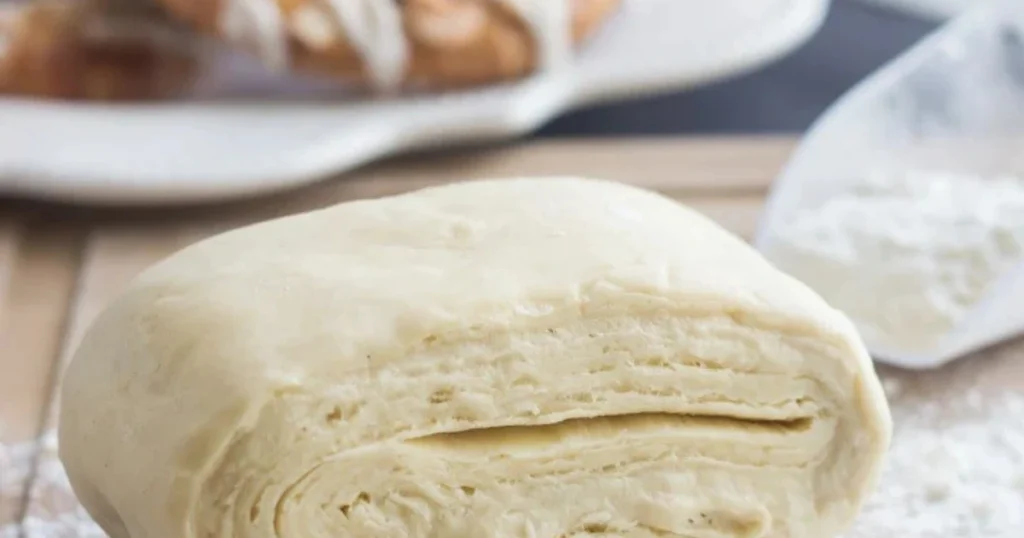
Danish Dough
Light, flaky, and layered
- Enriched with butter and laminated with cold butter
- Creates crisp, airy layers
- Best for fruit pastries, custard-filled danishes, and breakfast treats
Key trait: flaky texture with visible layers
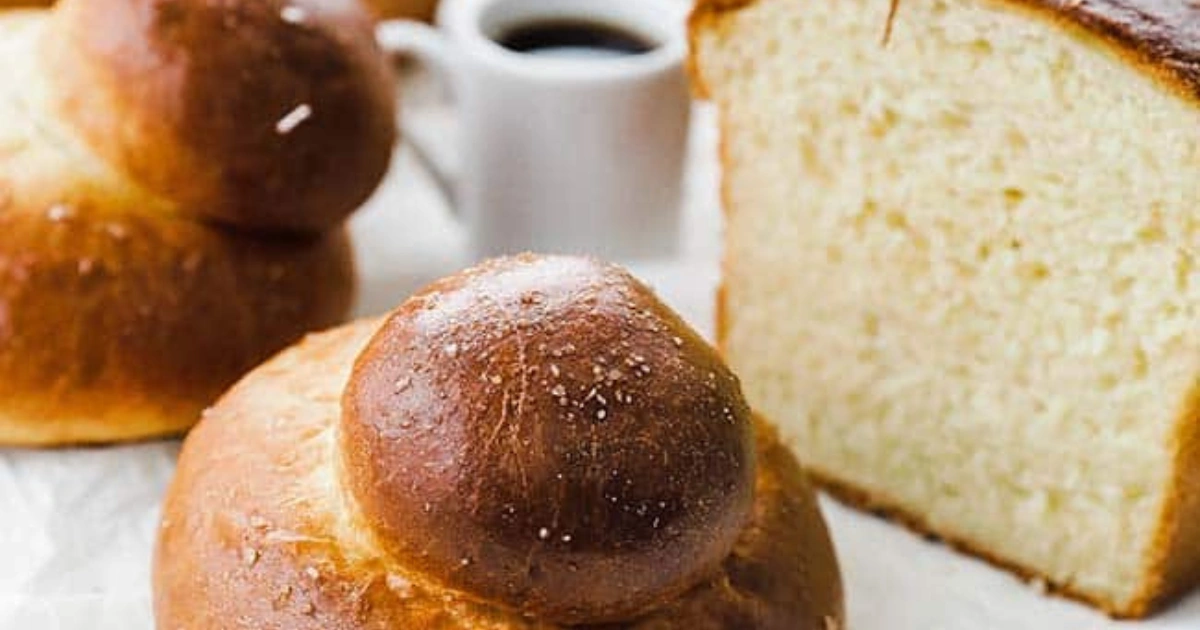
Brioche Dough
Soft, rich, and buttery
- High egg and butter content
- Tender crumb with a golden finish
- Ideal for buns, rolls, and sweet breads
Key trait: pillowy softness and rich flavor
Bomboloni Dough
Fried and cloud-like
- Similar to brioche but lighter and designed for frying
- Produces Italian-style filled donuts
- Commonly filled with pastry cream, jam, or chocolate
Key trait: airy interior with a delicate crust
Babka Dough
Structured and swirled
- Strong dough enriched with butter and eggs
- Holds layered fillings like chocolate or cinnamon
- Baked into twisted loaves
Key trait: sturdy enough for rich fillings and shaping
How to Choose the Right Dough
- Want crisp and flaky? Choose Danish dough
- Want soft and rich? Go with brioche
- Want fried and filled? Bomboloni is best
- Want layered and dramatic? Babka dough wins
Practical Baking Tip
Although these doughs share similar ingredients, ratios and technique make all the difference. Butter temperature, mixing time, and fermentation control the final texture more than the ingredient list alone.
Takeaway
Understanding sweet bakery doughs helps you bake with intention. Once you know how each dough behaves, you can confidently choose the right base for pastries, breads, or desserts—and get professional-level results at home.