
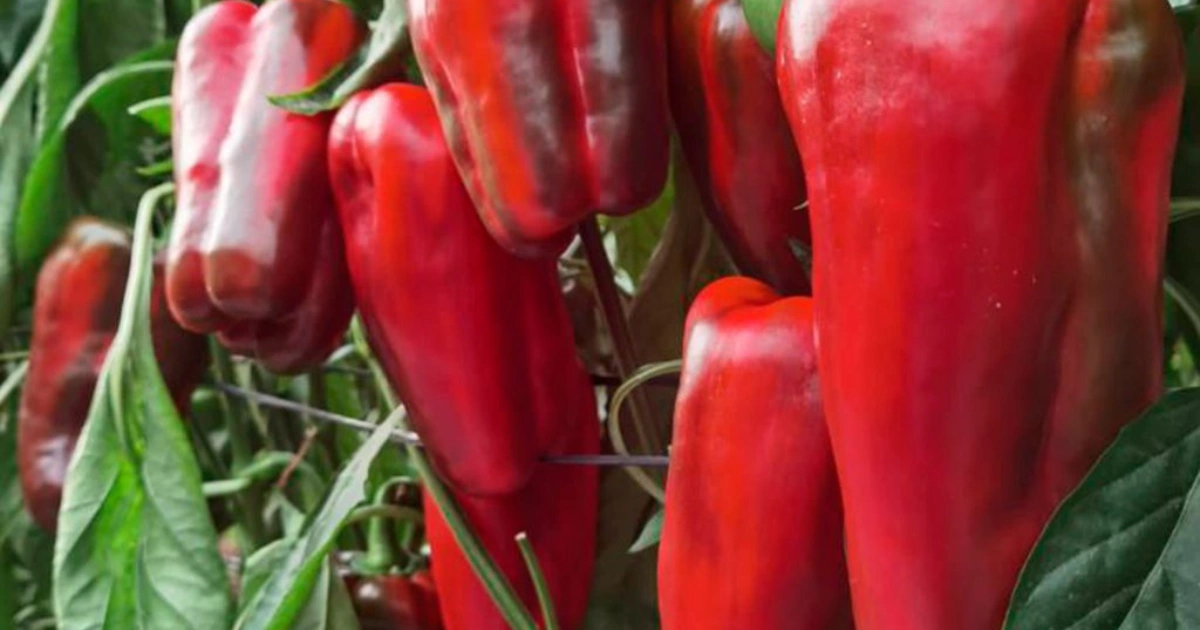
Growing peppers successfully requires more than planting and watering. Peppers are warm-season crops that respond strongly to light, soil quality, spacing, and consistent care. When their basic needs are met, pepper plants reward gardeners with vigorous growth, abundant flowers, and flavorful fruits suitable for fresh use, cooking, and preservation.
This guide explains how to grow peppers step by step, focusing on proven gardening practices that support plant health, high yields, and long-term productivity.
Understanding Pepper Plant Needs
Peppers belong to the Capsicum family and thrive in warm, sunny environments. They grow best when temperature, moisture, and nutrients are balanced throughout the season.
Healthy pepper plants depend on:
- Warm soil and air temperatures
- Full sunlight
- Loose, fertile soil
- Steady moisture without waterlogging
- Proper spacing and airflow
Meeting these requirements early helps plants establish strong roots and stems before fruit production begins.
Choosing Healthy Seeds or Seedlings
Strong plants begin with quality planting material. Whether starting from seed or transplanting seedlings, plant health at the beginning directly affects harvest size and plant resilience.
Selecting Seeds
Choose seeds from reliable sources and varieties suited to your climate. Some pepper varieties perform better in cooler regions, while others thrive in long, hot summers.
Selecting Seedlings
When buying seedlings, look for:
- Deep green leaves without spots or yellowing
- Thick, sturdy stems
- Compact growth rather than tall, leggy plants
- No signs of pests or disease
Avoid seedlings already flowering heavily, as early stress can reduce long-term productivity.
Preparing Nutrient-Rich Soil
Soil quality is one of the most important factors in growing peppers. Poor soil limits root development and nutrient uptake, resulting in weak plants and low yields.
Ideal Soil Conditions
Peppers prefer soil that is:
- Well-draining
- Rich in organic matter
- Slightly acidic to neutral
- Loose enough for deep root growth
Before planting, amend the soil with compost or well-rotted organic matter to improve structure and fertility.
Raised Beds and Containers
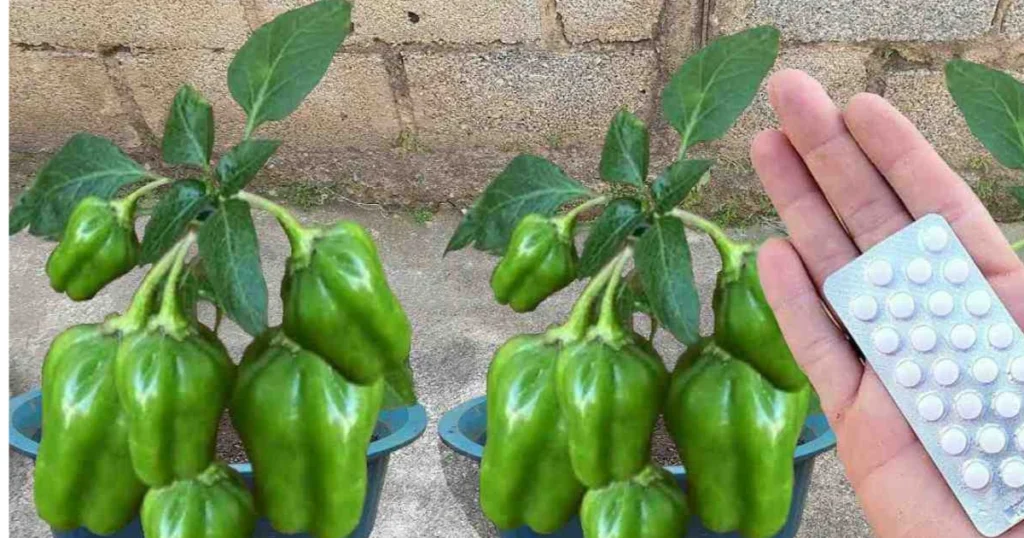
Raised beds and containers work well for peppers, especially in areas with heavy or compacted soil. Containers should be large enough to support root growth and allow consistent moisture.
Planting Peppers in Full Sun
Sunlight is essential for flower formation and fruit development. Peppers perform best when they receive at least six hours of direct sunlight daily, though eight hours is ideal.
Choose a planting location that:
- Receives consistent sunlight throughout the day
- Is sheltered from strong winds
- Warms up quickly in spring
Insufficient sunlight often leads to leafy plants with few flowers or fruits.
Proper Spacing for Healthy Growth
Crowded plants compete for light, water, and nutrients. Proper spacing allows pepper plants to develop strong root systems and reduces the risk of disease.
As a general guideline:
- Space plants about 30 centimeters apart
- Leave adequate space between rows for airflow and maintenance
Good spacing improves air circulation, reduces humidity around leaves, and helps prevent fungal problems.
Watering Peppers Consistently
Peppers need steady moisture to produce high-quality fruit, but they are sensitive to overwatering.
Best Watering Practices
- Water deeply rather than frequently
- Keep soil evenly moist, not soggy
- Allow the top layer of soil to dry slightly between watering
- Avoid watering leaves to reduce disease risk
Inconsistent watering can lead to issues such as blossom end rot, cracked fruits, and reduced yields.
Feeding for Better Yields
Peppers are moderate feeders that benefit from balanced nutrition throughout the growing season.
Fertilization Tips
- Apply compost or organic fertilizer at planting time
- Use a balanced fertilizer during early growth
- Reduce nitrogen once flowering begins to encourage fruit production
- Supplement with potassium and phosphorus if needed
Over-fertilizing with nitrogen can cause excessive leaf growth at the expense of fruit development.
Supporting Heavy Branches
As peppers mature and begin producing fruit, branches can become heavy and prone to bending or breaking.
Providing support helps:
- Protect stems from damage
- Keep fruits off the soil
- Improve airflow around the plant
Use stakes, cages, or soft ties to support plants once fruits appear. Support is especially important for varieties that produce large or numerous peppers.
Managing Temperature and Stress
Peppers are sensitive to temperature extremes. Cold soil slows growth, while excessive heat can cause flowers to drop.
To reduce stress:
- Plant only after the risk of frost has passed
- Use mulch to regulate soil temperature
- Provide shade during extreme heat if necessary
Stable growing conditions improve flower retention and fruit set.
Common Problems and How to Prevent Them
Healthy pepper plants are less likely to experience problems, but issues can still arise.
Common Challenges
- Flower drop due to heat stress
- Poor fruit set from lack of pollination
- Leaf curling caused by inconsistent watering
- Pest damage from aphids or caterpillars
Regular monitoring allows early intervention and prevents minor issues from becoming serious problems.
Harvesting Peppers Correctly
Harvest timing affects both flavor and continued production. Peppers can be harvested green or left to ripen fully, depending on the variety.
Tips for harvesting:
- Use clean scissors or pruners
- Harvest regularly to encourage new flowers
- Avoid pulling fruits by hand, which can damage plants
Frequent harvesting signals the plant to keep producing.
Benefits of Growing Peppers at Home
Homegrown peppers offer advantages beyond yield:
- Better flavor and freshness
- Control over growing methods
- Reduced pesticide exposure
- Access to unique varieties not found in stores
Growing peppers also strengthens gardening skills and improves soil health when organic practices are used.
Frequently Asked Questions
How long do peppers take to produce fruit?
Most pepper plants begin producing fruit 60 to 90 days after transplanting, depending on the variety and growing conditions.
Can peppers grow in containers?
Yes. Peppers grow well in containers as long as they receive sufficient sunlight, water, and nutrients.
Should pepper plants be pruned?
Light pruning can improve airflow and structure, but heavy pruning is not necessary for most varieties.
Why are my pepper plants flowering but not producing fruit?
High temperatures, poor pollination, or excess nitrogen can cause flowers to drop before fruit forms.
How often should peppers be fertilized?
Fertilize lightly every few weeks during active growth, adjusting based on plant response and soil fertility.
Internal Linking Suggestions
To build topical relevance on secretsofthegreengarden.com, consider linking this article to:
- How to Improve Garden Soil Naturally
- Best Vegetables for Raised Bed Gardening
- Organic Fertilizers for Home Gardens
These related articles support readers seeking practical gardening advice.
External High-Authority References
For additional research-based guidance, consider linking to:
- University agricultural extension programs for pepper cultivation guidelines
- Government horticulture resources on vegetable gardening
- Research institutions specializing in sustainable agriculture
Key Takeaway
Growing peppers successfully depends on meeting their core needs: healthy planting material, rich soil, full sunlight, consistent watering, and proper support. With thoughtful care and attention, pepper plants become strong, productive, and reliable producers of flavorful harvests throughout the growing season.