
Keeping blood sugar within a healthy range can feel frustratingly unpredictable. Many adults follow dietary advice, reduce sugar, and drink more water, yet still notice readings that rise and fall without a clear pattern. Over time, this uncertainty often leads people to search for simple, realistic habits that feel manageable rather than overwhelming.
Online, bold claims frequently promise quick fixes. Drinks are said to “flush sugar from the body” or “reverse diabetes.” These statements attract attention but do not reflect how the body actually works. Blood sugar regulation is complex, and no beverage can replace medical care. However, research does suggest that certain daily drink habits may support healthier blood sugar balance when used consistently alongside lifestyle and medical guidance.
Understanding the difference between support and cure is essential. The real benefit comes from small, repeatable habits that gently reinforce the body’s natural systems over time.
Why Blood Sugar Control Often Becomes More Difficult With Age
As people age, insulin sensitivity commonly declines. Muscle cells may respond less efficiently to insulin, while the liver can release glucose more readily into the bloodstream. Hormonal changes, chronic stress, and disrupted sleep can further influence these processes.
Modern eating patterns also play a role. Refined carbohydrates are absorbed quickly, leading to sharper glucose spikes. Sweetened beverages contribute additional sugar without fiber to slow absorption. While food choices are closely monitored, beverages are often overlooked, even though they can strongly affect glucose levels.
These factors accumulate gradually. The challenge rarely appears overnight, but the combined effect can make blood sugar feel harder to manage year after year.
Separating Hype From Science in Blood Sugar Drinks
Popular headlines focus on elimination. Scientific research focuses on modulation. This distinction matters. Blood glucose regulation involves insulin signaling, digestion speed, muscle uptake, liver output, and kidney function. Drinks cannot override these systems, but they can influence them modestly.
Hydration affects blood concentration and kidney efficiency. Certain plant-based compounds have been studied for their potential role in insulin sensitivity. Beverage timing around meals may influence post-meal glucose responses. These effects are subtle, but consistency can amplify their impact.
Instead of asking what removes blood sugar problems entirely, a more realistic question is which daily drink habit may support steadier glucose patterns over time.
Benefits Associated With Supportive Drink Habits
When practiced consistently, health-conscious beverage routines are often linked with broader lifestyle benefits:
- More consistent daily hydration
- Reduced intake of sugary drinks
- Gentler post-meal glucose rises for some individuals
- Improved digestive comfort
- Support for insulin sensitivity pathways
- Fewer afternoon energy crashes
- Better awareness of hunger and fullness cues
- Increased confidence in daily routines
- A stronger sense of control rather than fear
These benefits reflect both physiological effects and behavioral shifts working together.
The Simple Drink Habit Most Often Discussed
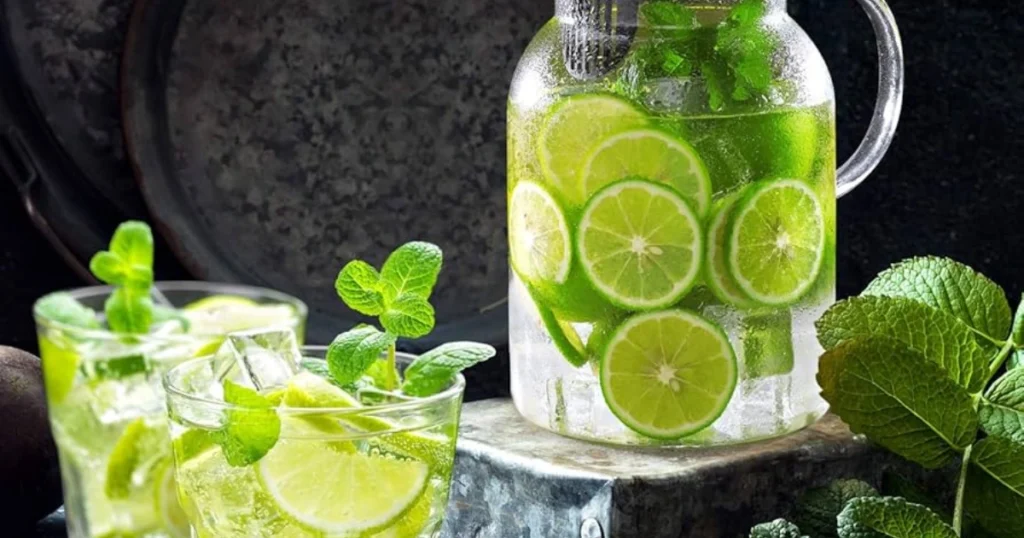
One of the most frequently mentioned supportive drinks is a diluted apple cider vinegar infusion, typically mixed with water and sometimes enhanced with lemon or cinnamon. It is inexpensive, widely available, and backed by research examining acetic acid, the main active compound in vinegar.
Studies suggest acetic acid may influence how muscles absorb glucose and how quickly the stomach empties after meals. This may help blunt post-meal glucose spikes for some people. It does not eliminate sugar from the bloodstream or cure metabolic conditions, but it may offer a modest supportive effect.
Most people heavily dilute the vinegar to improve taste and protect tooth enamel. Over time, the drink becomes a familiar ritual rather than a challenge.
Why Timing Can Matter as Much as Ingredients
Some research explores consuming diluted vinegar before meals, especially those higher in carbohydrates. Proposed mechanisms include slower gastric emptying and improved insulin response. Results vary widely between individuals.
Beyond physiology, timing can influence behavior. Drinking a tart infusion before eating may encourage slower, more mindful meals. This awareness alone can reduce overeating and indirectly support more stable glucose levels.
Hydration and Its Role in Blood Sugar Regulation
Hydration is often underestimated in glucose management. Even mild dehydration can concentrate glucose in the bloodstream and affect readings. Adequate fluid intake supports kidney function, which plays a role in glucose regulation.
When a vinegar infusion replaces sweetened beverages, the benefit compounds. Sugar intake decreases while hydration improves. For many people, infused water feels more appealing than plain water, making consistency easier to maintain.
Cinnamon and Blood Sugar Research
Some individuals add a small amount of cinnamon to their infusion. Cinnamon contains compounds that have been studied for their potential influence on insulin sensitivity. Research findings are mixed, with some studies showing modest improvements and others showing little change.
Cinnamon should be viewed as a supportive spice rather than a treatment. It may complement healthy habits but should be used in moderation, particularly for those taking medications.
Addressing Common Doubts
Skepticism is reasonable. Blood sugar management is complex, and no drink replaces balanced nutrition, physical activity, sleep, or medical care. The value of this habit lies in habit stacking.
When combined with short walks after meals, balanced plates, and consistent sleep, small supportive habits reinforce one another. This realistic approach protects against disappointment and false hope.
Realistic Examples of Habit-Based Change
Some people find progress by starting with one small change rather than many rules at once.
One example is a woman in her early sixties who began drinking a diluted vinegar infusion before her largest meal. Over time, she noticed fewer afternoon energy crashes and felt encouraged to add short evening walks.
Another individual replaced evening soda with a vinegar-based drink. The tangy flavor satisfied cravings for strong-tasting beverages. Over several months, fasting glucose readings became more consistent. The improvement was gradual, but the sense of control increased.
These experiences are not promises. They illustrate how habits influence behavior and confidence, which then shape long-term outcomes.
Comparing Beverage Choices and Blood Sugar Impact
Different drinks affect blood sugar in distinct ways:
- Sweetened sodas tend to cause rapid glucose spikes with little nutritional value.
- Fruit juices provide some nutrients but still raise blood sugar quickly due to concentrated sugars.
- Plain water supports hydration without directly affecting glucose levels.
- Diluted vinegar infusions are low in sugar and may offer modest glucose modulation while improving hydration habits.
The benefit comes largely from replacing less helpful beverages with more supportive options.
Safe Use and Practical Considerations
Vinegar is acidic and should always be diluted. Undiluted use may irritate the throat or damage tooth enamel. A common starting point is one teaspoon diluted in a large glass of water.
Many people use this habit once daily, often before a main meal. Some choose twice daily, but moderation is important. Individuals managing digestive conditions or taking medications should consult a healthcare professional before adding this routine.
Building the Habit Without Pressure
Starting small helps habits stick. Preparing the drink alongside an existing routine, such as cooking dinner, increases consistency. Adding lemon or using warm water can improve comfort.
Curiosity is more effective than perfection. Paying attention to how the body responds helps guide personal adjustments and long-term success.
Frequently Asked Questions
Can apple cider vinegar lower blood sugar immediately?
It may help reduce post-meal spikes for some people, but effects are modest and vary by individual.
Is this drink safe for daily use?
When properly diluted and used in moderation, it is generally safe for many adults. Individual health conditions should be considered.
Can this replace medication?
No. This habit does not replace prescribed treatment or medical advice.
Does it work for everyone?
Responses vary depending on diet, activity level, genetics, and overall health.
When is the best time to drink it?
Many people choose before meals, but timing should match personal tolerance and routine.
Internal Linking Suggestions
From secretsofthegreengarden.com, consider linking to:
- Natural Ways to Improve Insulin Sensitivity
- Herbal Infusions for Everyday Wellness
- Simple Lifestyle Habits That Support Metabolic Health
External High-Authority Sources
For evidence-based information, consider referencing:
- National Institutes of Health research on hydration and glucose regulation
- Centers for Disease Control and Prevention dietary guidance
- Harvard T.H. Chan School of Public Health nutrition research
Final Thoughts
A daily drink habit will not transform blood sugar health on its own. When integrated into a balanced lifestyle, however, it may support steadier glucose patterns, improved hydration, and greater confidence. Small, consistent choices often create the foundation for meaningful long-term change.