
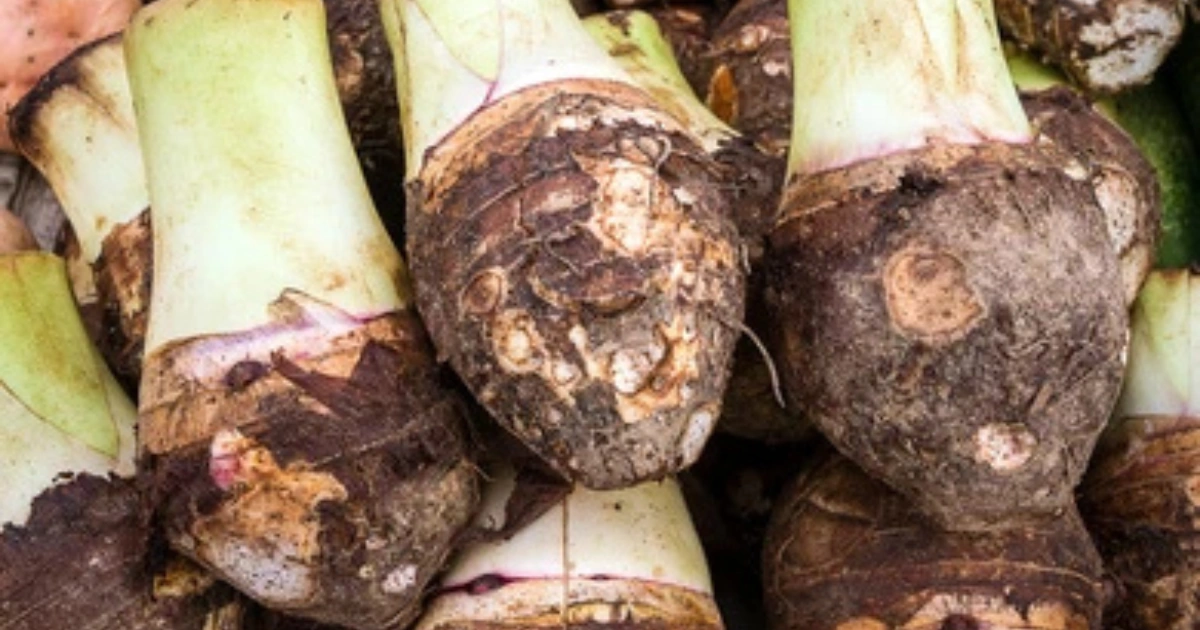
Taro is one of the world’s oldest cultivated plants, valued for its resilience, nutritional density, and culinary versatility. Known scientifically as Colocasia esculenta, taro has been grown for thousands of years across tropical and subtropical regions, where it has long served as a staple food and a reliable crop in challenging environments.
Today, interest in taro is growing again as people seek sustainable foods, gluten-free alternatives, and traditional ingredients with modern relevance. From its energy-providing root to its nutrient-rich leaves, taro stands out as a plant that supports both human nutrition and resilient agriculture.
This article explores the nutritional value of taro, its health benefits, culinary uses, and important preparation guidelines, offering a complete and practical overview for gardeners, cooks, and health-conscious readers.
Nutritional Profile of Taro Root
Taro is primarily valued for its underground corm, which serves as a dense source of carbohydrates. Unlike refined starches, taro provides complex carbohydrates that release energy gradually, helping maintain stable blood sugar levels when consumed as part of a balanced diet.
Key nutritional characteristics of taro include:
- High content of complex carbohydrates
- Moderate dietary fiber
- Low fat and naturally cholesterol-free
- Valuable minerals and micronutrients
Because of this profile, taro has traditionally been used as a sustaining food in regions where consistent energy intake was essential for daily labor and long-term food security.
A Natural Source of Sustained Energy
One of the most notable benefits of taro is its ability to provide long-lasting energy. The complex carbohydrates it contains are digested more slowly than refined sugars, helping prevent sudden energy spikes and crashes.
This makes taro particularly suitable for:
- Physically active individuals
- People seeking steady energy throughout the day
- Diets focused on whole, minimally processed foods
When paired with protein and healthy fats, taro can contribute to balanced meals that support endurance and satiety.
Digestive Support and Appetite Regulation
Taro contains dietary fiber that plays an important role in digestive health. Fiber supports regular bowel movements, feeds beneficial gut bacteria, and contributes to a feeling of fullness after meals.
Potential digestive benefits include:
- Improved intestinal comfort
- Better appetite control
- Slower digestion of carbohydrates
- Support for overall gut health
For people transitioning away from refined grains, taro can be a gentle alternative that supports digestive balance when properly prepared.
Vitamins and Minerals in Taro
Beyond carbohydrates, taro provides a range of essential vitamins and minerals that contribute to normal bodily functions.
Notable nutrients include:
- Vitamin C, which supports immune function and antioxidant protection
- Potassium, important for fluid balance and muscle function
- Magnesium, involved in nerve signaling and energy metabolism
- Manganese, which supports bone health and enzyme activity
Although taro is not a complete protein source, its micronutrient content makes it a valuable component of a diverse and nutrient-rich diet.
A Naturally Gluten-Free Food Option
Taro is naturally gluten-free, making it an excellent alternative for individuals with gluten intolerance or those choosing to reduce gluten intake. When ground into flour, taro can replace wheat-based flours in many recipes.
Common uses of taro flour include:
- Flatbreads and pancakes
- Thickening soups and sauces
- Baking blends combined with other gluten-free flours
Its mild flavor allows it to adapt easily to both savory and sweet preparations without overpowering other ingredients.
Culinary Versatility of Taro Root
Taro’s neutral, slightly nutty taste makes it highly adaptable in the kitchen. It can be prepared using a wide variety of cooking methods and incorporated into cuisines around the world.
Popular preparation methods include:
- Boiling or steaming as a side dish
- Roasting for a firmer texture
- Mashing into purées or spreads
- Adding to soups, stews, and curries
- Using in desserts when combined with coconut milk or spices
When cooked properly, taro develops a creamy texture similar to potato but with a distinctive character that sets it apart.
Edible and Nutritious Taro Leaves
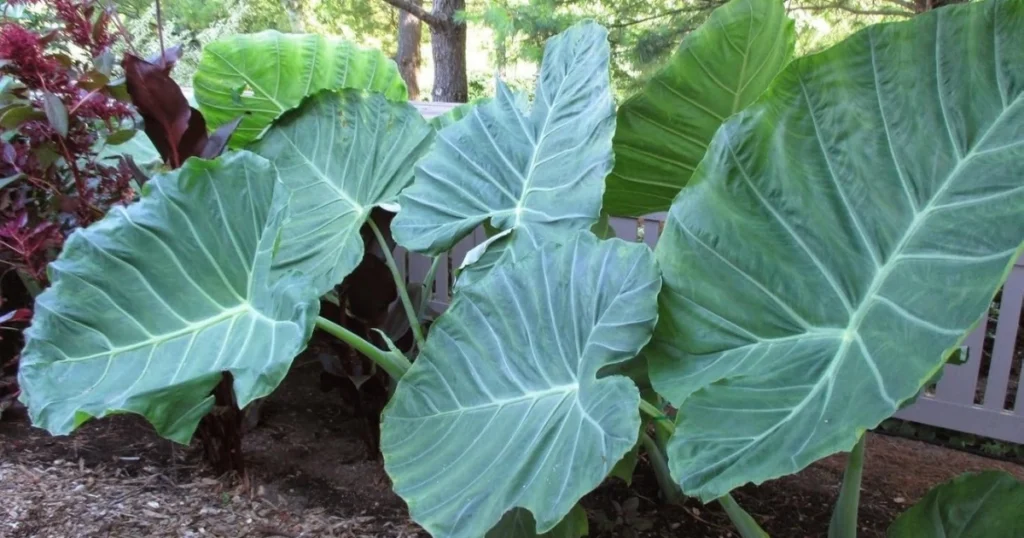
In addition to the root, taro leaves are widely consumed in many traditional cuisines. When fully cooked, they provide valuable nutrients and add variety to plant-based meals.
Cooked taro leaves offer:
- Vitamin A for vision and immune health
- Vitamin C for antioxidant support
- Minerals such as calcium and iron
- Dietary fiber
The leaves are often used in stews, wrapped around fillings, or simmered with coconut milk and spices. Proper cooking is essential, as raw leaves are not safe to consume.
Taro as a Resilient and Sustainable Crop
From an agricultural perspective, taro is valued for its ability to grow in conditions that challenge many other crops. It thrives in moist soils and can tolerate nutrient-poor environments, making it an important food security plant in vulnerable regions.
Agricultural advantages of taro include:
- Adaptability to wet or marginal soils
- High yield per planted area
- Multiple edible parts (root and leaves)
- Compatibility with small-scale and traditional farming systems
As climate variability increases, crops like taro are gaining attention for their role in resilient and diversified food systems.
Safe Preparation and Consumption Guidelines
While taro offers many benefits, correct preparation is essential. Raw taro contains calcium oxalate crystals, which can cause irritation if consumed uncooked.
To ensure safe consumption:
- Always cook taro thoroughly by boiling, steaming, or roasting
- Avoid tasting raw taro or its leaves
- Use gloves when peeling if you have sensitive skin
- Discard cooking water when boiling the root
Proper heat neutralizes the irritating compounds, making taro safe and enjoyable to eat.
Integrating Taro into a Balanced Diet
Taro works best as part of a varied diet that includes vegetables, legumes, proteins, and healthy fats. Its carbohydrate-rich nature makes it especially useful as a staple base, similar to potatoes, rice, or cassava.
For balanced meals:
- Pair taro with vegetables and protein sources
- Combine with herbs and spices to enhance flavor
- Rotate with other root crops to ensure nutrient diversity
Moderation and variety remain key to long-term nutritional balance.
Frequently Asked Questions
Is taro healthier than potatoes?
Taro and potatoes have similar energy values, but taro offers higher fiber and certain minerals. Both can be healthy choices when prepared properly and eaten as part of a balanced diet.
Can taro be eaten raw?
No. Taro must always be cooked thoroughly. Raw taro contains compounds that can irritate the mouth and digestive tract.
Is taro suitable for people with gluten intolerance?
Yes. Taro is naturally gluten-free and can be used as a grain substitute or in flour form for gluten-free cooking.
Are taro leaves safe to eat?
Yes, but only when fully cooked. Cooking neutralizes naturally occurring compounds that make raw leaves unsafe.
Can taro be grown at home?
Yes. In warm climates with sufficient moisture, taro can be grown in gardens or containers, provided it has rich, consistently moist soil.
Internal Linking Suggestions from secretsofthegreengarden.com
To strengthen topical relevance and reader engagement, consider linking to:
- Root Vegetables That Thrive in Difficult Soils
- Traditional Crops for Sustainable Home Gardening
- Gluten-Free Plant-Based Foods for Everyday Cooking
Trusted External Resources
For reliable, non-commercial information about taro and root crops, consult:
- Food and Agriculture Organization of the United Nations – Root and tuber crops and food security: https://www.fao.org
- Harvard T.H. Chan School of Public Health – Healthy carbohydrates and fiber: https://www.hsph.harvard.edu
- University of Hawaii Cooperative Extension – Taro production and uses: https://www.ctahr.hawaii.edu
Conclusion
Taro is more than an ancient root crop. It is a nutritionally valuable, versatile, and resilient plant that continues to play an important role in traditional diets and sustainable agriculture. From its steady energy supply to its gluten-free adaptability and ability to grow in challenging conditions, taro offers practical benefits for both modern kitchens and future food systems.
When prepared correctly and enjoyed as part of a diverse diet, taro represents a meaningful way to reconnect with time-tested foods while supporting nutritional balance and agricultural resilience.