
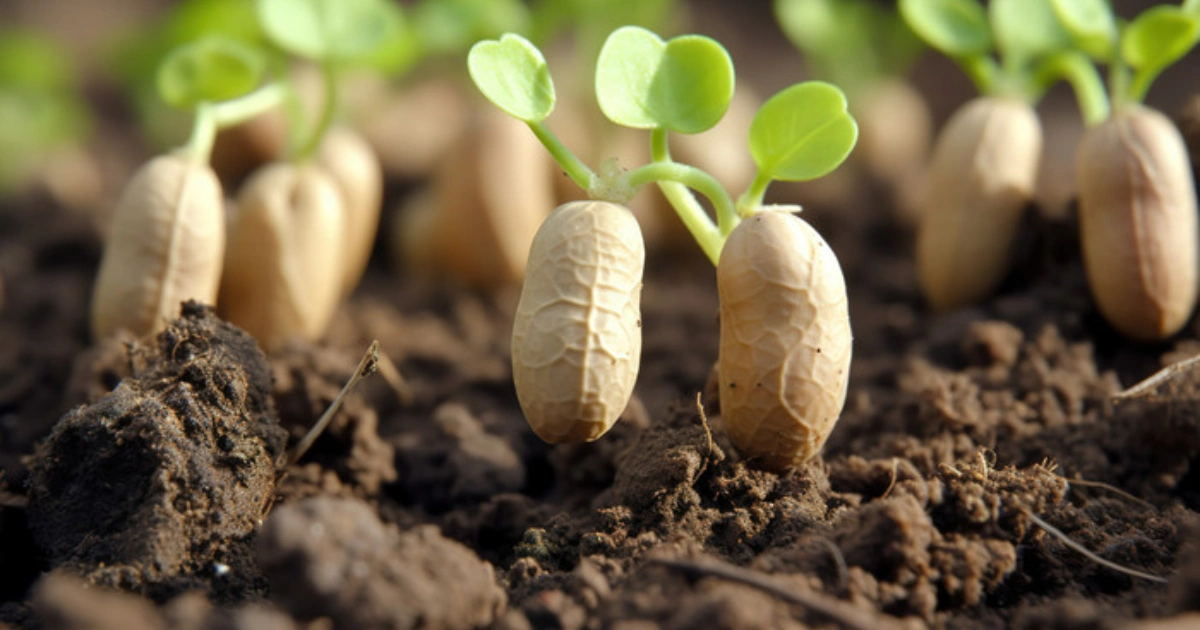
Growing peanuts at home may sound unusual, but it is far easier than most people expect. With the right conditions, peanuts can thrive in containers on a balcony, patio, or small garden. This guide explains the complete process, from sprouting raw peanuts to harvesting a surprisingly abundant crop, using simple and accessible methods suitable for home growers.
Can Peanuts Really Be Grown at Home?
Peanuts are warm-season plants that originate from tropical and subtropical regions. While they are commonly associated with large-scale farming, they adapt very well to container growing when given enough warmth, sunlight, and loose soil.
The key advantage of growing peanuts in pots or containers is control. You can manage soil quality, moisture, and placement much more precisely than in open ground, making this crop ideal for small spaces.
Peanut Germination: The First Critical Stage
Early Germination After a Few Days
Peanut seeds begin to germinate quickly under the right conditions. Within two to three days, white root tips emerge from the soaked seeds, signaling successful sprouting.
This stage sets the foundation for the entire growing cycle.
Conditions for Successful Peanut Germination
To ensure strong and healthy seedlings, focus on the following:
- Use raw, unroasted peanuts with intact skins
- Soak the seeds in water for 12 to 24 hours before planting
- Keep the temperature between 22 and 28 degrees Celsius
- Maintain consistent moisture without waterlogging
Dry conditions or cold temperatures can delay or prevent germination, so warmth is essential.
Young Peanut Plants After Two Weeks
Development of Seedlings
Around 10 to 14 days after germination, peanut plants develop sturdy green stems and their characteristic compound leaves. At this stage, the seedlings are strong enough to be transplanted into their final container.
This is an important transition period that influences future growth and yield.
Choosing the Right Container and Soil
Peanuts need space below the surface to form pods. A suitable setup includes:
- Containers at least 25 to 30 centimeters deep
- Loose, sandy, well-draining soil
- Drainage holes to prevent excess water buildup
- A sunny location with several hours of direct light
Soil compaction is one of the most common reasons for poor peanut development, so light, airy soil is essential.
Understanding Peanut Plant Growth
A Unique Botanical Process
Peanuts are botanically unique. After flowering above ground, the fertilized flower stalk, known as a peg, grows downward into the soil. The peanut pods then develop underground.
This unusual growth habit means that soil management plays a direct role in crop success.
Care Tips During Active Growth
To support healthy pod formation, follow these practices:
- Water regularly but moderately
- Keep the soil surface loose and crumbly
- Gently mound soil around the base during flowering
- Avoid standing water, which can cause rot
Patience is essential, as pod development happens out of sight.
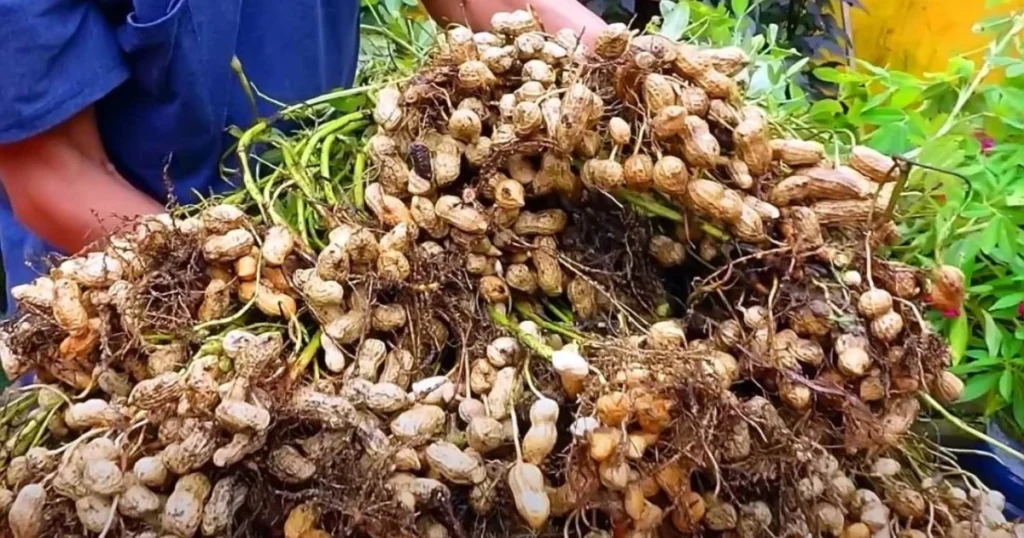
How Long Do Peanuts Take to Grow?
Most peanut varieties require about four to five months from planting to harvest. Growth slows toward the end of the cycle as the plant focuses its energy on pod maturation.
Environmental conditions such as temperature, sunlight, and soil quality can influence the exact timing.
Harvesting Peanuts at the Right Time
Signs That Peanuts Are Ready to Harvest
Knowing when to harvest is crucial for flavor and storage quality. Peanuts are typically ready when:
- Leaves begin to yellow
- Overall growth slows noticeably
- The soil around the plant feels dry but not hard
At this point, carefully loosen the soil and lift the entire plant.
Post-Harvest Drying and Storage
After harvesting, peanuts should be dried for several days in a warm, well-ventilated area. Proper drying improves flavor and prevents mold during storage.
Once dry, peanuts can be stored in shells or processed further for cooking.
Why Growing Peanuts in Containers Works So Well
Container-grown peanuts offer several advantages over traditional garden beds:
- Efficient use of limited space
- Better control of soil composition
- Reduced exposure to soil-borne pests
- Easy monitoring of moisture levels
Even basic containers can produce impressive yields when managed correctly.
Common Mistakes to Avoid When Growing Peanuts
Avoid these frequent issues to improve success rates:
- Using roasted or salted peanuts as seeds
- Planting in heavy or compacted soil
- Overwatering during pod development
- Growing in shaded or cool locations
Peanuts thrive with warmth, airflow, and well-managed moisture.
Frequently Asked Questions
Can peanuts be grown indoors?
Peanuts can be started indoors but require strong sunlight or grow lights. They perform best outdoors once temperatures are consistently warm.
How many peanuts does one plant produce?
A healthy peanut plant can produce 30 to 50 pods under good conditions, though container size and care affect yield.
Do peanuts need fertilizer?
Peanuts are legumes and can fix nitrogen from the soil. Light feeding may help, but excessive fertilizer encourages leaf growth over pod production.
Can peanuts be grown year-round?
Peanuts are seasonal plants and require warm temperatures. In cooler climates, they are grown during the warmest months only.
Is container-grown peanut flavor different?
When harvested and dried properly, container-grown peanuts have the same flavor and quality as field-grown peanuts.
Internal Linking Suggestions
For related gardening topics, consider linking to these relevant articles from secretsofthegreengarden.com:
- How to Grow Vegetables Successfully in Containers
- Best Crops for Small Balconies and Patios
- Understanding Soil Drainage for Healthy Plants
Trusted External Resources
For further authoritative information, these high-quality sources provide additional guidance:
- Peanut cultivation guidelines from a university agricultural extension service
- Container gardening best practices from a government horticulture department
- Legume growth and nitrogen fixation research from an academic institution
Final Thoughts
Growing peanuts in containers proves that even unconventional crops can succeed in small spaces. With warm temperatures, loose soil, and patient care, home gardeners can enjoy the entire journey from germination to harvest. This rewarding project combines education, sustainability, and the satisfaction of producing your own food at home.