
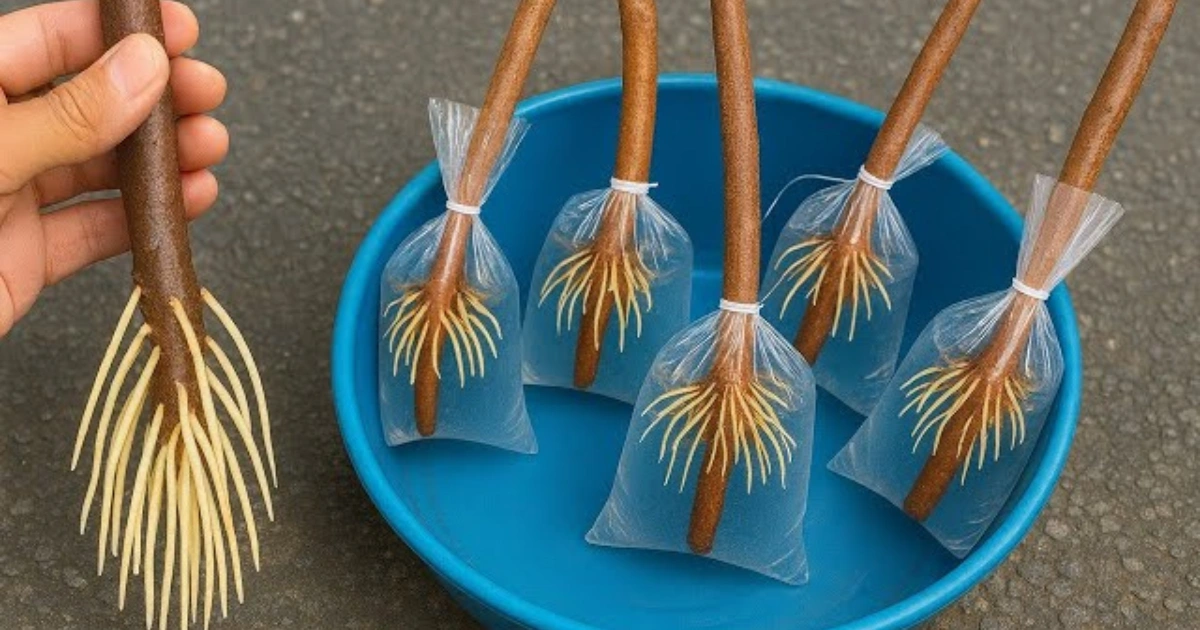
Propagating plants from cuttings is one of the most satisfying ways to expand your garden or indoor plant collection. While many gardeners rely on commercial rooting powders and gels, there is a surprisingly simple technique that encourages roots to form quickly using items you already have at home. This guide explains how to root cuttings fast with the plastic bag method, why it works, and how to get consistent results across many types of plants.
What Is the Plastic Bag Rooting Method
The plastic bag rooting method is a humidity-based propagation technique. Instead of applying chemical rooting hormones, this approach creates a stable microclimate around the cutting. High humidity reduces water loss through the leaves and allows the cutting to focus its energy on producing roots.
By combining water, enclosed air, and gentle warmth, the method mimics the conditions found in professional propagation chambers.
Why Cuttings Fail to Root Without Proper Humidity
When a cutting is removed from a parent plant, it loses its ability to absorb water through roots. Until new roots develop, moisture loss is the biggest threat to survival.
Common reasons cuttings fail include:
- Excessive evaporation from leaves
- Direct sunlight causing heat stress
- Dry indoor air
- Inconsistent moisture levels
The plastic bag method addresses all of these issues at once.
Materials You Need
This technique requires only basic household items:
- A healthy plant cutting
- A small, clean plastic bag
- Water, preferably rainwater or dechlorinated tap water
- A rubber band or soft tie
Optional but helpful additions include clean pruning shears and a bright, indirect light source.
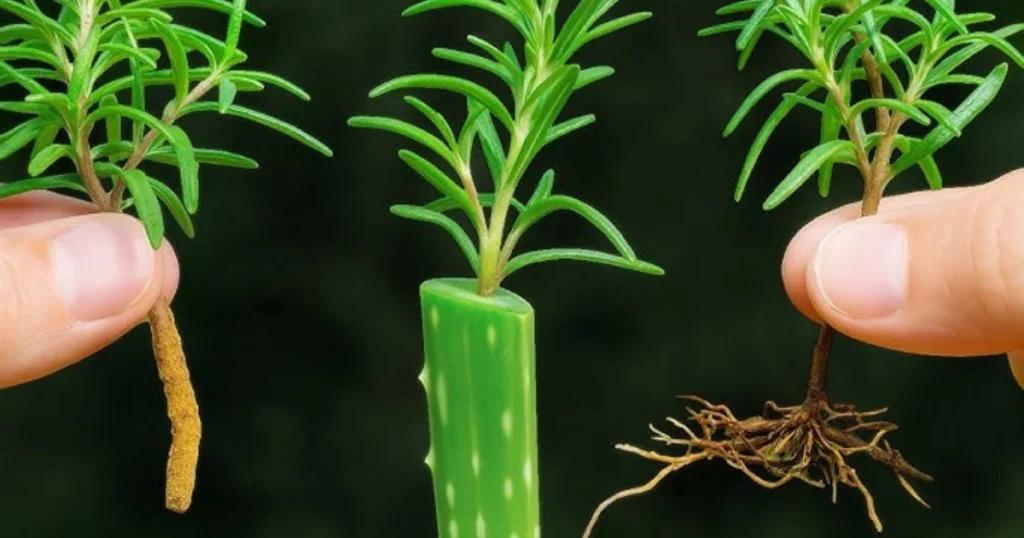
Step-by-Step Guide to Rooting Cuttings Quickly
Step 1: Choose the Right Cutting
Select a healthy, non-flowering stem. The best cuttings come from actively growing plants rather than woody or stressed stems.
Ideal characteristics include:
- Firm but flexible stems
- No visible disease or pests
- Fresh green growth
Cuttings should generally be 4 to 6 inches long for most herbs and houseplants.
Step 2: Prepare the Stem Correctly
Using clean tools, cut just below a leaf node. Leaf nodes contain concentrated growth tissue that supports root development.
Remove all leaves from the lower portion of the stem. Any leaves left submerged in water can rot and introduce bacteria.
Step 3: Add Water to the Plastic Bag
Pour 1 to 2 inches of water into the bottom of the plastic bag. Rainwater or water that has sat overnight is preferred because chlorine can slow root formation.
Place the prepared cutting into the bag so only the bare stem touches the water.
Step 4: Seal Without Crushing the Stem
Gently close the opening of the bag around the stem using a rubber band. The seal should be snug but not tight enough to damage the plant tissue.
This creates a humid environment while still allowing minimal air exchange.
Step 5: Position in Bright, Indirect Light
Place the bag in a bright location away from direct sunlight. Strong sun can overheat the bag and damage the cutting.
A room with filtered light or a shelf near a window works well.
Step 6: Monitor Root Development
In many cases, tiny white roots begin forming within 2 to 4 days. Some plants may take a bit longer, depending on species and temperature.
Once roots reach about one inch in length, the cutting is ready for transplanting into soil.
Why This Method Works So Well
The success of this technique comes from controlling three critical factors:
- Humidity remains consistently high
- Water availability is stable
- Stress from environmental changes is minimized
Because the cutting does not need to fight dehydration, it can redirect stored energy into root production.
Plants That Respond Best to This Technique
The plastic bag rooting method works particularly well for:
- Herbs such as basil, mint, rosemary, and oregano
- Common houseplants including pothos, philodendron, and spider plants
- Soft-stem ornamentals like coleus and impatiens
Woody plants can root using this method but usually require more time.
Common Mistakes to Avoid
Even simple methods can fail if a few key rules are ignored.
Avoid these frequent errors:
- Placing the bag in direct sunlight
- Allowing leaves to sit in water
- Using dirty containers or tools
- Letting the water dry out completely
Cleanliness and light control are essential for success.
Transplanting Rooted Cuttings Safely
Once roots have developed, move the cutting gently into a small pot with well-draining soil.
Tips for a smooth transition:
- Keep the soil slightly moist during the first week
- Avoid fertilizer until new growth appears
- Gradually expose the plant to normal humidity
This prevents transplant shock and encourages strong root establishment.
Comparison With Traditional Rooting Methods
Traditional methods often rely on powdered or gel rooting hormones. While effective, they are not always necessary.
Advantages of the plastic bag method include:
- No chemical inputs
- Very low cost
- Faster visible results for many plants
- Minimal equipment
For home gardeners, this method offers an accessible alternative with reliable outcomes.
Frequently Asked Questions
How long does it take for roots to form using this method?
Most soft-stem plants show root development within 2 to 7 days. Harder or woody cuttings may take several weeks.
Can I reuse the same plastic bag for multiple cuttings?
Yes, as long as it is thoroughly cleaned and dried between uses to prevent disease transmission.
Should I change the water inside the bag?
If the water becomes cloudy or develops an odor, replace it with fresh water immediately.
Does this method work without leaves on the cutting?
Some plants can root without leaves, but leaving one or two small leaves usually speeds up root formation by supporting photosynthesis.
Is rooting hormone completely unnecessary?
For most soft-stem plants, rooting hormone is optional. Woody plants may still benefit from hormone use.
Suggested Internal Links
To expand related gardening knowledge, consider linking to these relevant articles from secretsofthegreengarden.com:
- How to Propagate Herbs Indoors Successfully
- Best Low-Maintenance Houseplants for Beginners
- Common Plant Propagation Mistakes and How to Avoid Them
Suggested External Resources
For additional scientific and educational context, these high-authority sources are recommended:
- Plant Propagation Basics from a university agricultural extension service
- Vegetative Plant Propagation published by a government horticulture department
- Understanding Root Development in Plants from a botanical research institution
Final Thoughts
Rooting cuttings does not need to be complicated or expensive. By using the plastic bag method, gardeners can create ideal conditions for rapid root growth using simple materials. Whether you are propagating herbs, houseplants, or ornamentals, this approach offers a practical and effective way to grow new plants with confidence.