
Caring for orchids can feel intimidating, especially for people who have already lost one or more plants despite their best efforts. These elegant flowers are often labeled as fragile, when in reality they simply require a different approach than most houseplants. Once their natural needs are respected, orchids can thrive for many years and bloom repeatedly.
This article explains a proven orchid care method focused on root health, proper watering, and environmental balance. By understanding how orchids grow in nature and applying a few practical techniques, it becomes possible to keep them healthy long term without constant fear of failure.
Understanding Why Orchids Often Die
The most common orchid problems are not caused by disease or pests, but by improper care. Many orchids sold in stores are already stressed before they reach your home, making correct early care even more important.
Common reasons orchids decline include:
- Excess water that suffocates the roots
- Dense or degraded substrate that traps moisture
- Lack of airflow around roots
- Incorrect light exposure
- Overuse or misuse of fertilizer
Orchids are epiphytes in nature. This means they grow attached to trees, not buried in soil. Their roots are adapted to air, light, and quick drying cycles. When treated like conventional potted plants, they slowly weaken.
The Core Principle of the Orchid Care Method
The foundation of this method is simple: prioritize root health above everything else. Healthy roots mean a resilient plant that can tolerate small mistakes and still recover.
Instead of focusing only on flowers or leaves, this approach begins by recreating the conditions orchids experience in the wild. That includes loose substrates, controlled watering, and attention to the plant’s signals rather than rigid schedules.
Once this mindset changes, orchid care becomes predictable and far less stressful.
Choosing the Right Substrate for Orchids
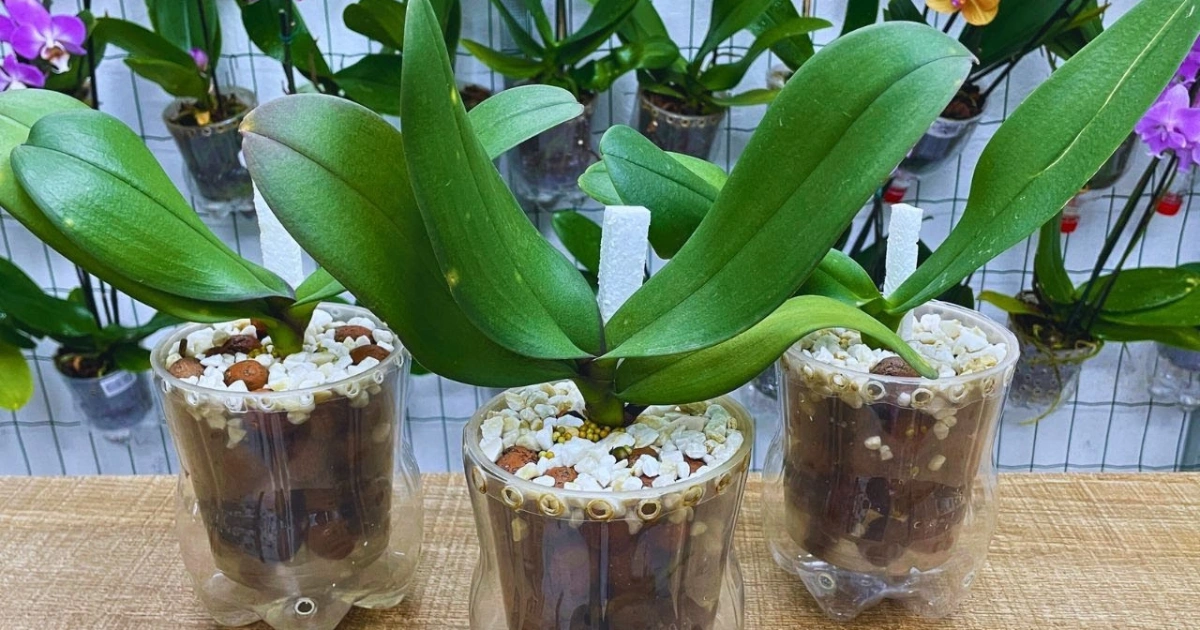
One of the most critical decisions in orchid care is the growing medium. Regular potting soil is unsuitable because it retains too much moisture and blocks airflow.
A proper orchid substrate should:
- Drain quickly
- Allow air circulation
- Dry partially between waterings
- Decompose slowly
Common materials used include pine bark, coconut husk chips, charcoal, and perlite. A balanced mix helps stabilize moisture without trapping water around the roots.
The substrate should be replaced every 12 to 24 months, depending on how quickly it breaks down. Old substrate becomes compacted and acidic, increasing the risk of root rot.
Pot Selection and Drainage
The pot plays an essential role in orchid survival. Transparent pots are often recommended because they allow light to reach the roots and make it easier to monitor moisture levels.
Key features of a good orchid pot include:
- Multiple drainage holes
- Adequate ventilation on the sides
- A size that fits the root mass without excess space
Oversized pots dry slowly and increase the risk of water retention. Orchids prefer a snug environment where roots anchor firmly.
Watering Orchids the Correct Way
Watering is where most mistakes occur. Orchids do not follow a fixed watering schedule, and timing should always depend on environmental conditions and root appearance.
A reliable watering method involves:
- Checking root color before watering
- Watering thoroughly, then allowing excess water to drain
- Waiting until roots turn silvery before watering again
Green roots indicate adequate moisture, while silvery or pale roots signal that the plant is ready for water. This visual cue is more accurate than calendar-based routines.
Water quality also matters. Whenever possible, use rainwater or filtered water to avoid mineral buildup that can damage sensitive roots.
Fertilization Without Stressing the Plant
Orchids need nutrients, but in small and consistent amounts. Overfertilizing leads to salt accumulation, which burns roots and weakens the plant.
A safe fertilization strategy includes:
- Using a balanced orchid fertilizer
- Diluting fertilizer to half or quarter strength
- Applying during active growth periods only
Fertilizer should be followed by occasional flushing with plain water to remove residue. During rest phases, fertilization can be reduced or paused entirely.
Light Requirements for Healthy Growth
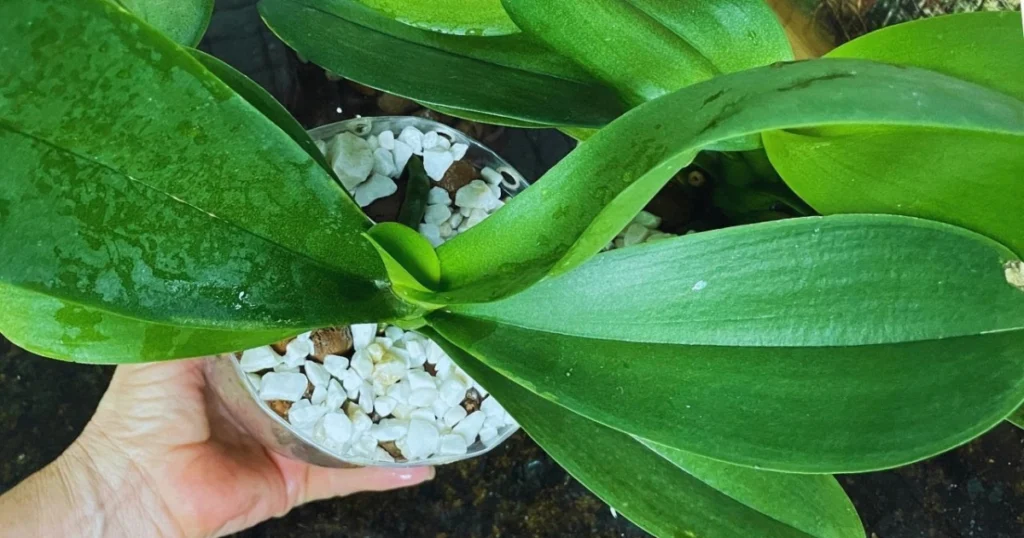
Light is essential for photosynthesis and blooming, but direct sun can damage orchid leaves. Most common orchids, such as Phalaenopsis, thrive in bright, indirect light.
Signs of correct lighting include:
- Medium green leaves
- Upright leaf posture
- Steady root growth
Dark green leaves often indicate insufficient light, while yellowing or red-tinged leaves suggest excess exposure. Adjusting placement near windows can significantly improve plant vitality.
Adapting Care to Different Orchid Types
Not all orchids have identical needs. While the core method remains the same, small adjustments improve results depending on the species.
For example:
- Phalaenopsis orchids prefer warm temperatures and moderate light
- Cattleya orchids tolerate brighter light and faster drying
- Dendrobium orchids require seasonal rest periods
Observing how each orchid responds allows for personalized care without unnecessary experimentation.
Air Circulation and Humidity Balance
Good airflow reduces fungal issues and keeps roots healthy. Stagnant air combined with moisture creates ideal conditions for disease.
Humidity should be moderate, not excessive. Instead of misting leaves frequently, it is better to increase ambient humidity using trays with water and pebbles placed near the plants.
Proper ventilation helps orchids dry naturally and strengthens overall resilience.
Monitoring and Early Intervention
Successful orchid care depends on regular observation rather than intervention. Small changes in leaf texture, root color, or growth speed often indicate what the plant needs.
Early signs of stress include:
- Wrinkled leaves
- Soft or dark roots
- Stalled growth
Addressing these issues early prevents long-term damage and eliminates the need for drastic measures later.
Long-Term Results of This Orchid Care Method
When applied consistently, this method transforms orchids from delicate decorations into long-lasting plants. Many growers report stronger root systems, more frequent blooms, and fewer losses once they shift focus to natural growing conditions.
Orchids rewarded with stability respond with predictable growth and impressive longevity, often living for decades under proper care.
Frequently Asked Questions
How often should orchids be watered?
Watering frequency depends on temperature, humidity, and substrate. Most orchids need water every 7 to 10 days, but root color is the most reliable indicator.
Can orchids recover from root rot?
Yes, if addressed early. Removing damaged roots, replacing the substrate, and adjusting watering habits can restore plant health.
Do orchids need sunlight to bloom?
They need bright indirect light. Insufficient light is one of the most common reasons orchids fail to bloom.
Is misting orchids necessary?
Misting is usually unnecessary and can promote disease. Controlled humidity and airflow are more effective.
When should orchids be repotted?
Repotting is best done after flowering or when the substrate begins to decompose, typically every one to two years.
Internal Linking Suggestions
For additional guidance, consider linking to related articles on secretsofthegreengarden.com such as:
- “How to Repot Orchids Without Damaging the Roots”
- “Best Natural Fertilizers for Flowering Plants”
- “Understanding Houseplant Root Health”
External Authoritative Resources
For further reading, the following trusted sources provide science-based orchid care information:
- Royal Horticultural Society – Orchid growing guides
- University of Florida IFAS Extension – Orchid culture resources
- American Orchid Society – Educational orchid care materials
Final Thoughts
Orchid care does not require luck or secret tricks. It relies on understanding how these plants naturally grow and respecting their unique root systems. By focusing on substrate choice, controlled watering, proper light, and gentle nutrition, orchid losses become rare.
With this method, orchids shift from being fragile ornaments to reliable companions that reward patience with long-lasting beauty and repeated blooms.