

A Natural Miracle from Your Kitchen
Are your flowers struggling to bloom? Has it been years since your favorite plant produced a single bud? Don’t worry—you’re not alone. Many gardeners deal with stubborn plants that refuse to flower. But there’s a surprising, all-natural solution hiding in your kitchen: the humble potato.
Yes, that everyday spud you usually cook with can also be turned into a powerful, chemical-free fertilizer. This DIY potato-based fertilizer can bring even the most flower-shy plants back to life. In this guide, you’ll learn exactly how and why it works, how to prepare it, and how to use it to boost blooming in your garden.
It’s sustainable, cheap, and incredibly effective. And best of all—it’s safe for pets, children, and the environment.
Let’s get growing!
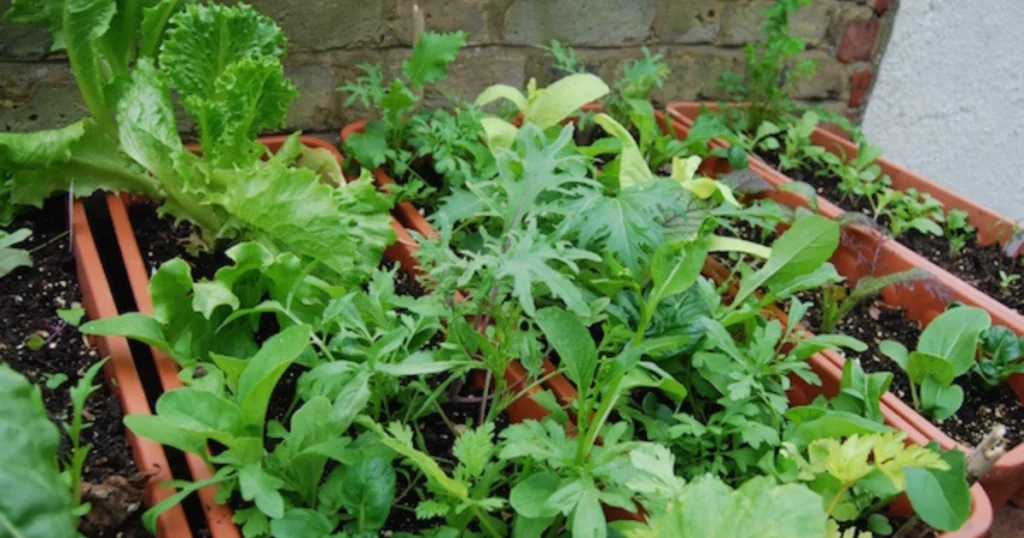
Why Potatoes Are a Powerful Plant Fertilizer
Potatoes are more than just food. They’re packed with vital nutrients that flowers need to grow and thrive.
Here’s why they work so well:
- 🧪 Rich in starch: Starch is a great energy source for plants and soil microbes. It improves soil structure and promotes healthy root systems.
- 🪴 Loaded with potassium and phosphorus: These two macronutrients are essential for flower formation, stem strength, and plant metabolism.
- 🌿 Naturally organic: No chemicals, no artificial preservatives, and no pollution—just nutrients straight from nature.
In short, potatoes give your plants a clean, natural boost—especially helpful for old or struggling flowering plants that haven’t bloomed in years.
How Potato Fertilizer Helps Plants Bloom Again
Potassium and phosphorus are particularly important for flowering plants:
- Potassium helps regulate water balance in the plant, strengthens stems, and supports flower longevity.
- Phosphorus plays a key role in root development and energy transfer, encouraging more buds and vibrant blooms.
- Starch feeds beneficial soil organisms, improving the overall health of your garden bed or pot.
This is why many gardeners report brighter colors, longer-lasting blooms, and stronger plants after using potato fertilizer—even with plants that hadn’t flowered for multiple seasons.
How to Make Potato Fertilizer at Home (Step-by-Step)
You’ll be amazed at how easy it is to make this homemade flower fertilizer using just one potato and water.
🧾 Ingredients You’ll Need
- 1 medium yellow potato (organic if possible)
- 1 liter of room-temperature water
- Blender or food processor
- Fine mesh strainer or cheesecloth
- Mixing bowl or jug
- Watering can or spray bottle
🥄 Instructions
- Clean the potato thoroughly, but don’t peel it—both the flesh and the skin contain nutrients.
- Cut it into small chunks for easier blending.
- Place the potato pieces in a blender, add 1 liter of room-temperature water, and blend until smooth.
- Strain the mixture using a fine mesh sieve or cheesecloth to separate the solid pulp from the liquid.
- Set the liquid aside. Discard the pulp or compost it.
💧 Dilution Is Key
Before using the fertilizer on your flowers, you must dilute it to avoid overwhelming the plant:
- Mix 1 cup of the strained potato liquid with 2 liters of water.
- Stir thoroughly and transfer the mixture to a watering can or spray bottle.
🌼 How to Use
- Water the base of your flowering plants directly using the diluted solution.
- Apply once every 21 days (about once every 3 weeks).
- Avoid spraying the leaves directly—this fertilizer is most effective when absorbed through the roots.
Bonus: Zero-Waste Tip Using Potato Peels
Don’t throw away your potato peels!
Here’s another smart way to use the whole potato:
- Let the peels dry in the sun for 2–3 days.
- Once dry, chop them finely or crush them into flakes.
- Sprinkle the dried peel flakes around the base of your plants.
The nutrients in the peels will slowly release into the soil, acting as a natural slow-release fertilizer—no waste, no fuss!
Benefits of Using Potato Fertilizer
Still not convinced? Here’s what makes this method worth trying:
- 🌸 Revives dormant flowers: Works especially well on old plants that haven’t bloomed in years.
- 🌱 Improves root strength: Phosphorus supports strong root systems for lasting health.
- 🌷 Boosts bloom quality and quantity: More flowers, brighter colors, longer-lasting petals.
- 🌍 Eco-friendly: 100% natural and biodegradable—safe for pets, kids, pollinators, and the planet.
- 💸 Cost-effective: Uses ingredients you already have—no need for expensive commercial fertilizers.
Seasonal Tips for Maximum Effectiveness
🕐 Spring and early summer are the best times to start applying potato fertilizer to flowering plants. This is when most species begin their bloom cycle.
☀️ In hot climates, apply the fertilizer early in the morning or after sunset to avoid evaporation.
🌧️ If rain is expected, wait a day to avoid washing away the nutrients.
🪴 Container plants may need a slightly more frequent application, especially if they’re watered often.
Common Mistakes and How to Avoid Them
❌ Don’t use undiluted potato liquid
It’s too strong and can harm roots or promote fungal growth. Always dilute with at least 2 liters of water.
❌ Don’t use green or sprouting potatoes
These may contain toxins (like solanine) that can harm delicate plants.
❌ Don’t apply too frequently
Once every 3 weeks is ideal. Overuse can cause imbalances in the soil and damage your plants.
❌ Don’t store for too long
Use the liquid fertilizer within 1–2 days of making it. It’s best fresh.
Frequently Asked Questions (FAQs)
Can I use sweet potatoes instead of regular potatoes?
Yes, but sweet potatoes are lower in potassium and phosphorus, so the effect may be weaker. Stick to yellow or white potatoes for best results.
Can I use potato fertilizer for vegetables or herbs?
It’s designed for flowering plants but may benefit fruiting vegetables like tomatoes or peppers. Use with caution and dilute well.
Can this harm my plants?
Only if used incorrectly. Always dilute properly and don’t overuse. Avoid applying in full sun or on waterlogged soil.
Does it work for houseplants too?
Yes! Indoor flowering plants like peace lilies, African violets, or orchids can also benefit—just use a small amount and apply less frequently.
Is this safe for pollinators?
Absolutely. Unlike chemical fertilizers, this homemade option is pollinator-friendly.
Final Thoughts: A Flower Fertilizer That Really Works
You don’t need expensive or complicated products to enjoy a blooming, vibrant garden. With just one potato, a blender, and some water, you can create an all-natural fertilizer that revives tired plants and brings color back to your garden.
Whether you’re dealing with roses that haven’t bloomed in years, stubborn hydrangeas, or underwhelming petunias—this DIY potato fertilizer could be your garden’s new best friend.
Give it a try, and let us know how it works for you!
🪴 Have questions or success stories? Drop them in the comments.
📢 Don’t forget to share this article with fellow gardeners!
Happy gardening! 🌼🥔💧