
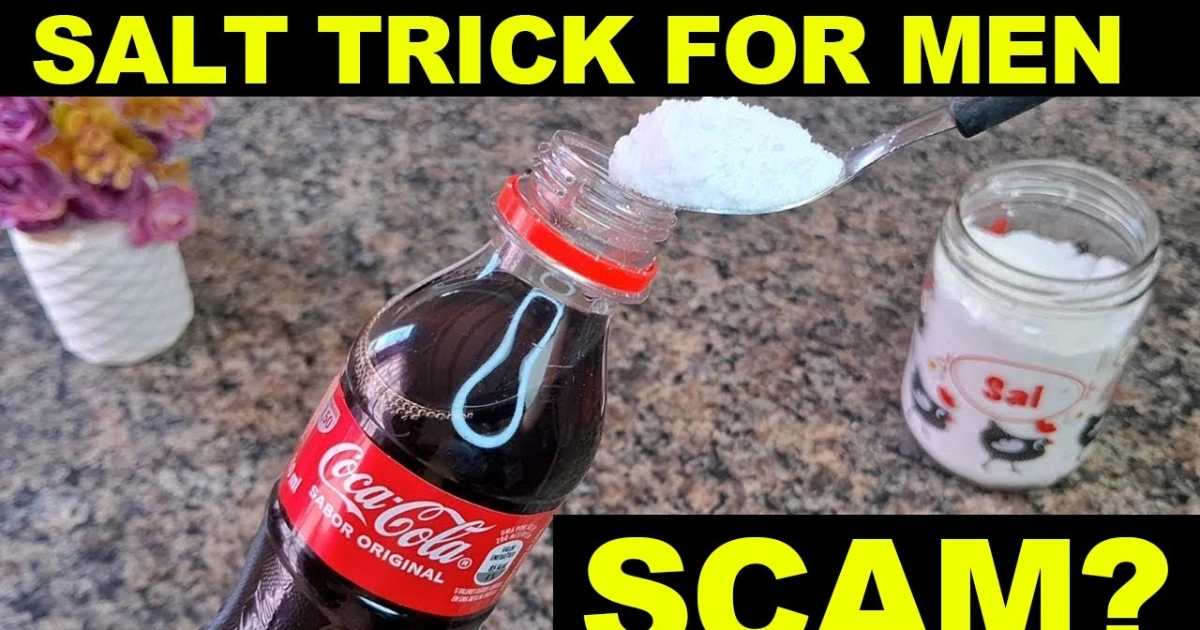
Clean your home naturally, effectively, and affordably! This all-purpose DIY cleaner tackles tough grime using everyday pantry staples—no need for harsh chemicals or expensive products.
Introduction
From sticky spills on pans to limescale in sinks and dust on furniture, everyday messes don’t need toxic cleaners to vanish. With just five simple ingredients—a fizzy twist on traditional cleaning—you can create one multipurpose spray that works wonders on multiple surfaces. Safe, budget-friendly, and eco-conscious: the cleaner your space, the gentler on the planet.
Detailed Structure & SEO Outline
| Section | Approx. Words | Purpose |
|---|---|---|
| Catchy Title + Intro | 200 | Hook readers, introduce benefits |
| Why This DIY Cleaner Works | 250 | Explain the science behind ingredients |
| Step-by-Step Guide | 500 | Detailed recipe with tips |
| Common Mistakes to Avoid | 200 | Help readers prevent common errors |
| Benefits of Using This Cleaner | 400 | Focus on health, cost savings, eco-friendliness |
| Seasonal & Regional Tips | 200 | Adaptations for climate variations and needs |
| Tools & Materials Checklist | 150 | Emoji-heavy for mobile convenience |
| FAQs (People Also Ask) | 200 | Answer common search queries |
| Encouraging Conclusion | 100 | Invite engagement and sharing |
LSI/NLP Keywords: natural cleaner DIY, homemade all‑purpose spray, vinegar cleaning solution, eco cleaning recipe, salt baking soda cleaner
🧪 Why This DIY Cleaner Actually Works
- Coca‑Cola: Its mild acidity helps dissolve mineral buildup and sticky residues.
- Dish soap: Cuts through grease with its surfactants, lifting grime.
- Baking soda: Gently scrubs away stains and deodorizes surfaces.
- Salt: Adds extra abrasion to remove stubborn spots.
- Vinegar: A natural disinfectant that cuts through scale and sanitizes surfaces.
Combined, these ingredients create a powerful, multi-surface cleaner—effective enough for floors, pans, bathrooms, and furniture.

Step-by-Step Recipe & Tips
Pour into a spray bottle, shake well before each use, and follow these easy steps:
- Measure ingredients:
- 1 glass Coca‑Cola
- ½ cup liquid dish soap
- 1 tsp salt
- 1 tsp baking soda
- ½ glass vinegar
- Mix: Combine all in a sturdy container. A light fizz is normal!
- Transfer: Carefully pour into a clean spray bottle.
- Spray the surface: Let it sit for 10 minutes to work on grime.
- Scrub gently: Use a soft sponge or cloth to remove dirt.
- Rinse thoroughly: Wipe with warm water to avoid residue.
- Dry with cloth: Use microfiber or cotton towel for shine.
- Store carefully: Keep the spray bottle in a cool place, away from sunlight.
Tip: Patch test in an inconspicuous area before using on delicate surfaces like marble or wood finishes.
Common Mistakes & How to Avoid Them
- Overlooking test spots on delicate surfaces, which may dull polish or varnish
- Using abrasive scrubbing pads that can scratch sensitive finishes
- Storing mixture near heat or sunlight—this may weaken its potency
- Skipping warm rinses after scrubbing, leaving sticky or soapy residue
- Ignoring safety—always wear gloves, especially if you have sensitive skin
Top Benefits of Using This Cleaner
- Gentle on health & environment: Free from chlorine, ammonia, or synthetic fragrances
- Budget‑friendly: Uses ingredients likely already in your pantry
- Multi-purpose: One bottle works across surfaces—kitchen, bathroom, floors, furniture
- Effective on tough grime: Sugar acidity from cola, grease-cutting soap, plus scrubbing power of baking soda and salt
- Zero-waste: Reusable spray bottle reduces plastic consumption
Seasonal & Regional Adaptations
In cold climates: Use warm water for rinsing to prevent streaking.
In humid regions: Dry surfaces swiftly to avoid mildew.
During allergy season: Add a few drops of essential oils (like lemon or tea tree) to boost freshness.
When you lack cola: Substitute with plain carbonated water and white vinegar—less strong, but still effective.
🧰 Tools & Materials Checklist
- 🧴 Clean spray bottle
- 🥄 Measuring cup
- 🍽️ Soft sponge or cloth
- 🧤 Protective gloves
- 💧 Warm water for rinsing
- 🗓️ Label to note cleaning date
Frequently Asked Questions
Q: Can I use this mixture on wood floors?
A: Yes, but use sparingly and wipe dry quickly to avoid water damage.
Q: How often can I safely use it?
A: For heavy messes, once a week. For regular maintenance, every 2–3 weeks is enough.
Q: Will it remove rust stains?
A: The acidity can lift light rust; for heavier rust, try undiluted white vinegar.
Q: Is it safe around pets?
A: Wipe surfaces well after cleaning—ensure no residue remains. Keep pets off treated areas until dry.
Q: Can I store the solution long-term?
A: Use within one month. Over time, vinegar odor may become strong and reduce effectiveness.
🗣️ We’d Love Your Feedback!
This simple cleaner is proof that you don’t need harsh chemicals to keep your home sparkling. Try it, tweak it to your preference, and let us know how it transformed your cleaning routine!
Have you used natural hacks like this before? Share your tips or results in the comments—and if you loved this guide, pass it on to friends so they can clean healthier too!
Sources
Demander à ChatGPTOutils