
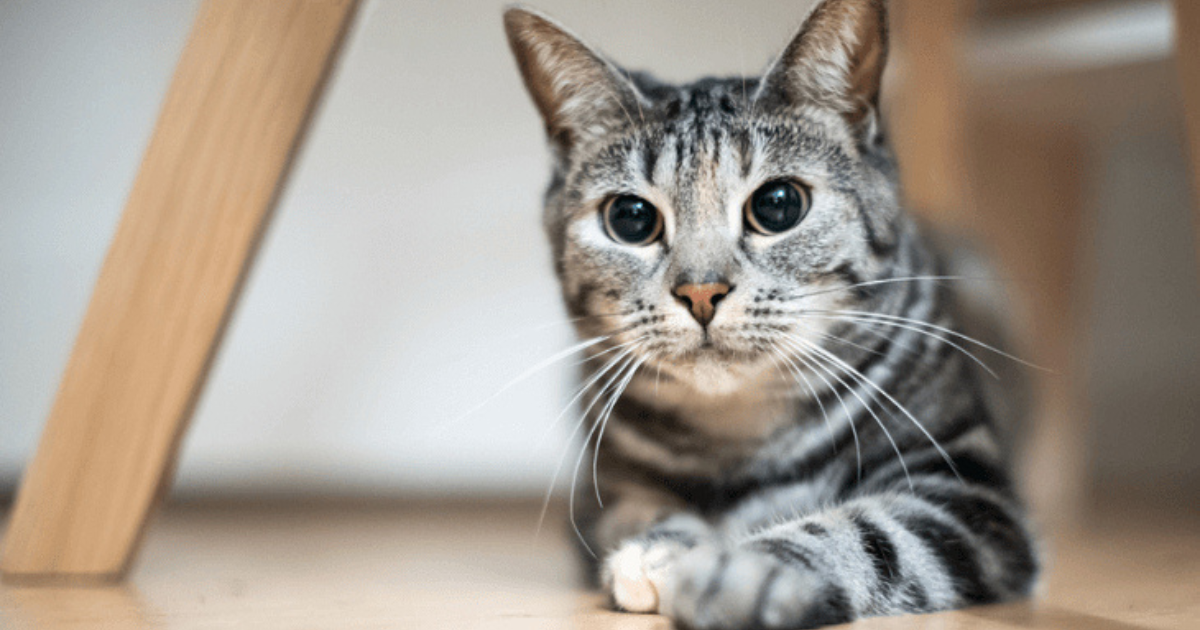
Cats communicate far more through body language than through sound. While many people notice tail movements, the position of a cat’s ears can reveal just as much about its mood and intentions. A cat’s ears are extremely mobile and sensitive, allowing them to rotate and tilt in response to sounds, emotions, and environmental cues.
Learning how to read these signals can help cat owners better understand their pets, avoid stressful interactions, and strengthen their bond with their animals.
Primary Keyword
cat ear positions
Why Cat Ear Positions Matter
Cats rely heavily on nonverbal communication. Ear movements are one of the most immediate signals of how a cat feels in a particular moment. When interpreted correctly, these cues can help you determine whether your cat feels relaxed, curious, frightened, or irritated.
Understanding cat ear positions can help you:
- recognize when your cat is comfortable or stressed
- avoid overstimulation during play or petting
- identify early signs of anxiety or fear
- improve communication between you and your pet
The American Association of Feline Practitioners emphasizes that observing feline body language is essential for improving cat welfare and preventing behavioral issues.
https://catvets.com
Ears Forward: Calm and Interested
When a cat’s ears point forward, it usually means the cat feels comfortable and engaged with its surroundings.
What this position indicates
Cats with ears forward are typically:
- relaxed and content
- attentive to sounds or movement
- interested in people or objects nearby
This is one of the most common ear positions when a cat is exploring or interacting with its environment.
Ears Slightly Turned: Relaxed and Calm
A cat whose ears are gently angled outward often feels calm and comfortable.
Typical situations
This posture may appear when a cat is:
- resting or lounging
- observing its environment quietly
- feeling safe in familiar surroundings
The body language accompanying this position is usually relaxed, with a loose posture and soft eyes.
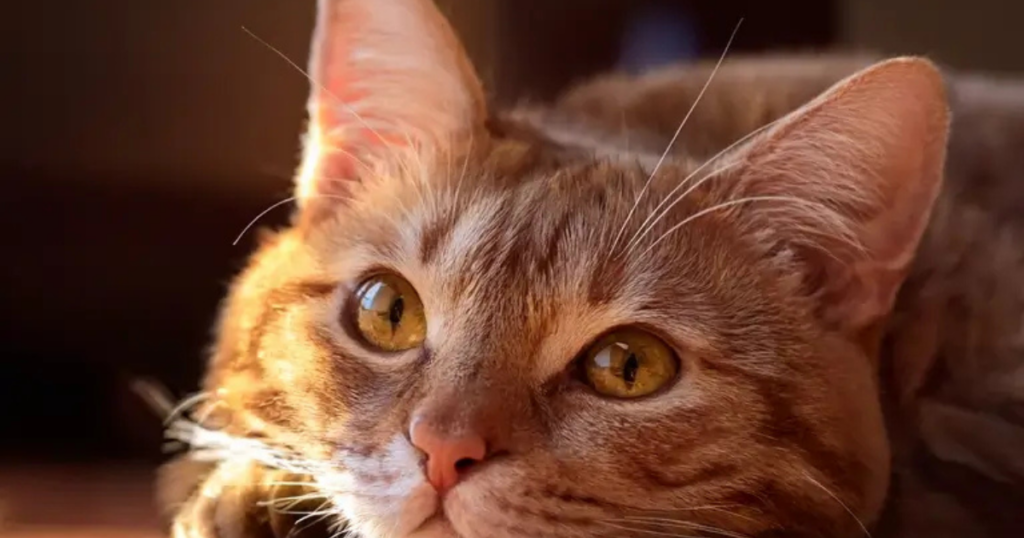
Ears Pointed Up: Alert and Curious
When a cat’s ears are upright and fully forward, it usually indicates alertness.
Why cats hold their ears this way
Cats often adopt this posture when they are:
- investigating a new sound
- watching movement outside a window
- preparing to play
This position reflects curiosity and focused attention.
Ears Turned Back: Irritation or Discomfort
Ears rotated backward may signal that a cat is becoming annoyed or overstimulated.
Common triggers
Cats may turn their ears back when they are:
- irritated by excessive petting
- bothered by noise or movement
- experiencing mild frustration
If you notice this signal, it may be wise to give the cat some space.
Ears Flat to the Sides: Fear or Nervousness
When a cat flattens its ears sideways, it often indicates fear or stress.
What this posture means
Cats may flatten their ears when they feel:
- threatened by another animal
- uncomfortable in unfamiliar environments
- anxious due to sudden noise or activity
This defensive posture helps protect the ears during potential conflict.
One Ear Forward, One Ear Back: Uncertainty
Sometimes cats position their ears in different directions at the same time.
What it suggests
This mixed ear position usually means the cat is:
- unsure about a situation
- monitoring multiple sounds
- deciding whether something is safe or threatening
It reflects heightened awareness rather than immediate aggression.
Ears Twitching: Tracking Sounds
Cats have extremely sensitive hearing and can detect subtle sounds that humans may not notice.
Why cats twitch their ears
Ear twitching often occurs when a cat is:
- tracking small movements
- listening for insects or prey
- responding to distant noises
This behavior demonstrates the cat’s natural hunting instincts.
Research from the Cornell Feline Health Center highlights the remarkable hearing abilities of domestic cats.
https://www.vet.cornell.edu
Ears Back but Not Flat: Caution or Hesitation
When ears tilt backward slightly without flattening, the cat may be cautious but not yet frightened.
What this position indicates
Cats showing this posture may be:
- uncertain about a new object or person
- mildly uncomfortable
- evaluating whether to approach or retreat
Their body posture often remains neutral but attentive.
Ears Down and Out: Aggression or Defensive Behavior
When ears are pressed downward and angled outward, it usually signals strong defensive emotion.
Signs of defensive posture
Cats displaying this ear position may also show:
- puffed fur
- arched back
- hissing or growling
This is a warning signal that the cat feels threatened and may defend itself if approached.
Understanding Ear Signals in Context
While ear positions are useful indicators of emotion, they should always be interpreted alongside other aspects of body language.
Important signals to observe include:
- tail position
- eye shape and pupil size
- whisker orientation
- overall body posture
A cat with forward ears and a relaxed body is comfortable, while a cat with flattened ears and tense muscles may feel threatened.
Internal Linking Suggestions
For readers interested in pet behavior and care, consider linking to related articles on secretsofthegreengarden.com such as:
- How to Understand Your Cat’s Body Language
- Plants That Are Safe for Cats and Pets
- How to Create a Pet-Friendly Garden
These topics complement cat behavior education and responsible pet care.
FAQ
Why do cats move their ears so much?
Cats rotate their ears to detect and locate sounds. Their ears can move independently, allowing them to track multiple sound sources.
What does it mean when a cat’s ears are flat?
Flattened ears often indicate fear, stress, or defensive behavior.
Why do cats twitch their ears?
Ear twitching usually means a cat is listening carefully to subtle sounds in the environment.
Can ear positions indicate aggression?
Yes. When ears are pinned down and angled outward, the cat may feel threatened and ready to defend itself.
How can I tell if my cat is relaxed?
A relaxed cat usually has slightly forward ears, soft eyes, and a calm body posture.
Conclusion
Cat ear positions provide valuable clues about how a cat feels and what it intends to do. From forward ears that signal curiosity to flattened ears that indicate fear, these subtle movements help cats communicate their emotions.
By learning to recognize these signals, cat owners can better understand their pets, avoid stressful situations, and create a more comfortable environment for their animals.