
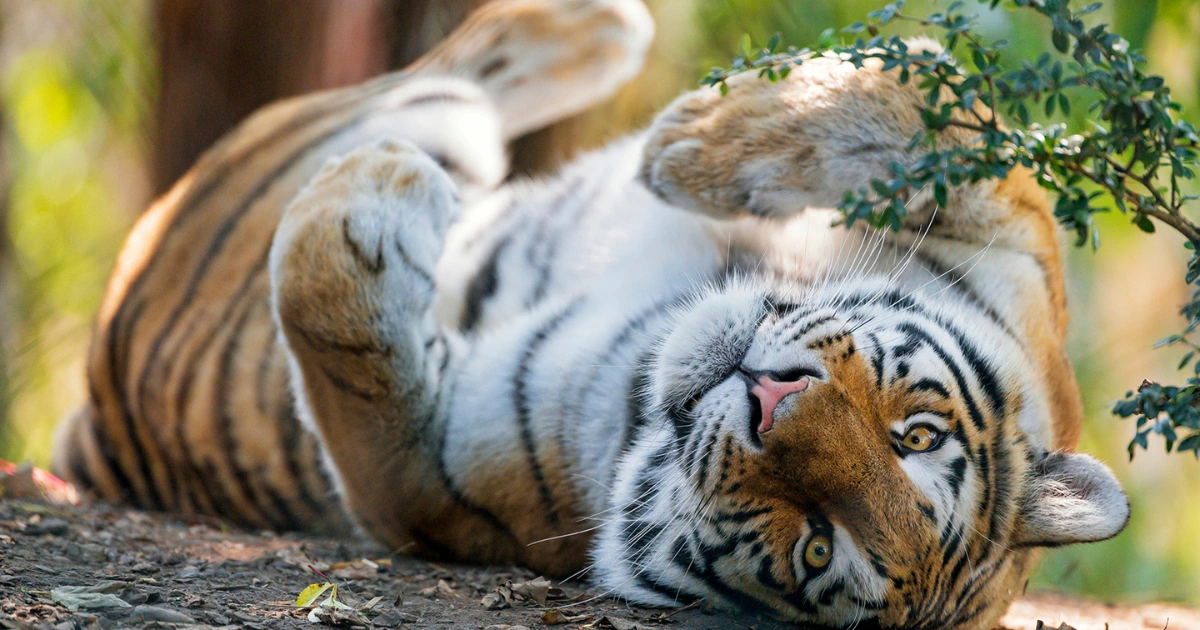
Big cats have fascinated humans for centuries with their strength, speed, and dominance at the top of the food chain. From modern predators like the Siberian tiger to prehistoric giants that once ruled ancient landscapes, these animals represent the peak of feline evolution.
In this article, we explore the largest and most powerful big cats, both living and extinct, examining their size, characteristics, and ecological importance.
What Defines a “Big Cat”?
The term big cat typically refers to members of the genus Panthera, such as lions, tigers, and leopards. However, in a broader sense, it can also include extinct relatives and large prehistoric felines.
These animals share key traits:
- Powerful muscular bodies
- Sharp retractable claws
- Strong jaws designed for hunting large prey
- Advanced predatory instincts
The Largest Big Cats in History
Giant Saber-Toothed Tiger
Often associated with prehistoric times, giant saber-toothed cats were among the most formidable predators.
Key characteristics:
- Weight: up to 1,200 pounds
- Length: up to 12 feet
- Distinct long canine teeth
These cats likely hunted large herbivores and used their massive fangs to deliver precise killing bites.
American Lion (Extinct)
The American lion was one of the largest felines ever discovered in North America.
Features:
- Weight: up to 1,000 pounds
- Larger than modern African lions
- Lived during the Ice Age
It likely hunted in open plains and competed with other large predators.
Machairodus (Extinct Saber-Toothed Cat)
Machairodus was another prehistoric predator known for its elongated teeth.
Details:
- Weight: up to 900 pounds
- Strong, robust build
- Specialized hunting techniques
It may have relied on ambush tactics similar to modern big cats.
Siberian Tiger
The Siberian tiger is the largest living big cat today.
Key facts:
- Weight: 500–650 pounds
- Length: up to 10.5 feet
- Native to eastern Russia
It is a solitary hunter known for its strength and ability to survive in harsh climates.
Atlas Lion (Extinct)
Also known as the Barbary lion, this subspecies once roamed North Africa.
Characteristics:
- Weight: up to 650 pounds
- Thick mane adapted to colder mountain regions
- Extinct in the wild
It was one of the most iconic lions in history.
Saber-Toothed Tiger
The term often refers broadly to species like Smilodon.
Highlights:
- Length: up to 9 feet
- Powerful forelimbs
- Adapted for ambush hunting
These predators were built for strength rather than speed.
How These Big Cats Compare
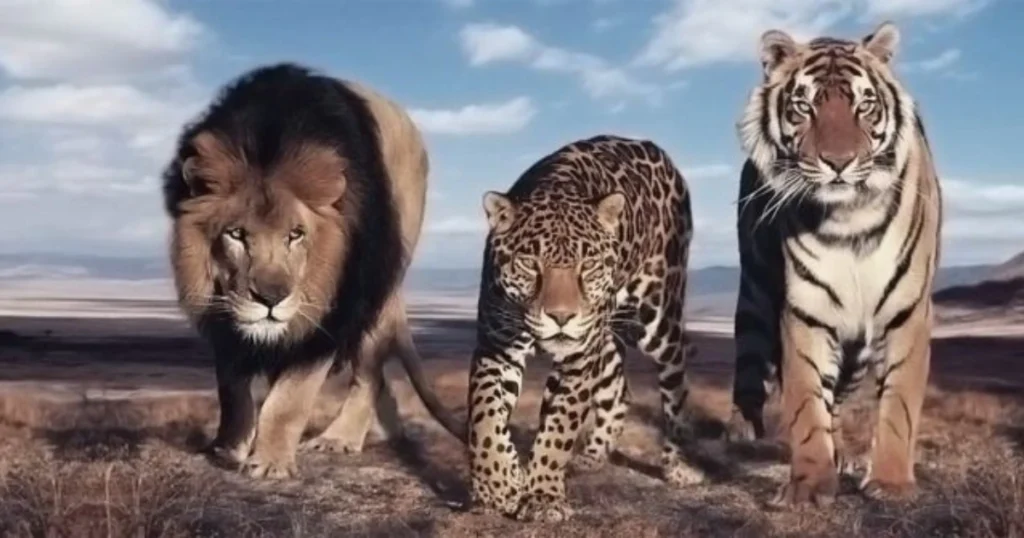
When comparing these species, several factors determine dominance:
- Size and weight
- Bite force and jaw structure
- Hunting strategy
- Habitat adaptation
While extinct species were often larger, modern big cats are more adaptable to changing environments.
Evolution and Extinction of Giant Cats
Many of the largest big cats disappeared due to:
- Climate changes during the Ice Age
- Loss of prey species
- Competition with early humans
Modern conservation efforts aim to prevent current species from facing the same fate.
The Ecological Role of Big Cats
Big cats play a crucial role in maintaining ecosystem balance.
They help:
- Control herbivore populations
- Prevent overgrazing
- Support biodiversity
Without apex predators, ecosystems can become unstable.
Conservation of Modern Big Cats
Today, species like the Siberian tiger face threats such as:
- Habitat destruction
- Poaching
- Climate change
Protecting these animals is essential for preserving natural ecosystems.
Internal Linking Suggestions
To improve engagement on your site, consider linking to related articles on secretsofthegreengarden.com:
- How Wildlife Benefits Your Garden Ecosystem
- Natural Ways to Attract Helpful Animals to Your Garden
- Understanding Predator-Prey Balance in Nature
These topics connect wildlife knowledge with ecological gardening.
External Resources for Further Learning
For reliable and scientific information, explore:
- World Wildlife Fund (WWF)
https://www.worldwildlife.org - National Geographic Big Cats Resource
https://www.nationalgeographic.com - Smithsonian National Museum of Natural History
https://naturalhistory.si.edu
These organizations provide accurate, research-based insights into wildlife.
FAQ: Big Cats
What is the largest big cat ever recorded?
Prehistoric species like the American lion and saber-toothed cats are considered among the largest, with some exceeding modern tigers in size.
What is the largest living big cat today?
The Siberian tiger holds the title as the largest living big cat.
Why did saber-toothed cats go extinct?
They likely disappeared due to climate shifts, reduced prey availability, and human competition.
Are lions or tigers stronger?
Tigers are generally stronger and larger, while lions are more social and rely on group hunting.
Why are big cats important?
They maintain ecological balance by controlling prey populations and supporting biodiversity.
Conclusion
From ancient saber-toothed giants to modern tigers, big cats represent some of the most powerful predators to ever exist. Their size, strength, and adaptability have allowed them to dominate ecosystems for millions of years.
Understanding these animals not only deepens our appreciation of wildlife but also highlights the importance of conservation efforts to protect the remaining species for future generations.