
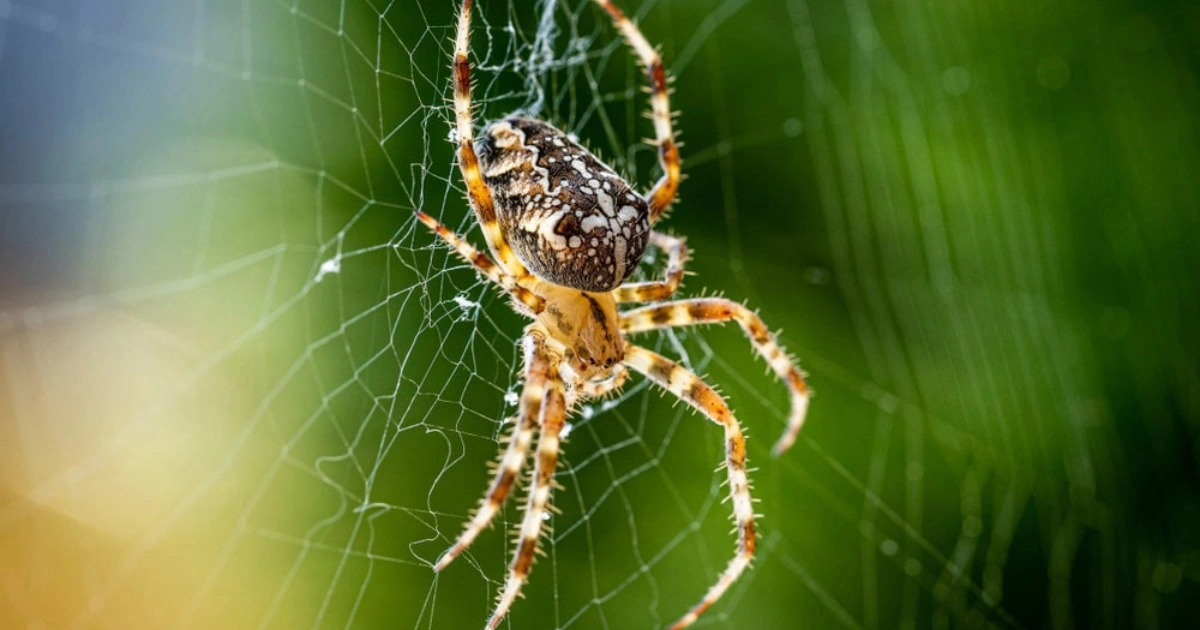
Spiders play an essential role in ecosystems by controlling insect populations, but a few species stand out for their medically significant venom. Understanding these spiders is not about fear—it’s about awareness and prevention. In this guide, we explore the most dangerous spiders in the world, how to identify them, where they live, and what to do if you encounter one.
What Makes a Spider Dangerous?
Not all venomous spiders are dangerous to humans. A spider is considered dangerous when:
- Its venom can cause serious medical symptoms in humans
- It is likely to bite when disturbed
- It lives in areas where humans frequently come into contact with it
The following four spiders are among the most notable due to their potent venom and documented human health effects.
Brazilian Wandering Spider
The Brazilian wandering spider is often ranked among the most dangerous spiders in the world due to its highly toxic venom and aggressive defense behavior.
Key Characteristics
- Found mainly in South and Central America
- Large, fast-moving, and often found on the ground rather than in webs
- Known for wandering into homes, shoes, and even fruit shipments
Why It’s Dangerous
This spider’s venom contains powerful neurotoxins that can affect the nervous system. Symptoms may include intense pain, sweating, and in rare cases, breathing difficulties.
Safety Tips
- Shake out shoes and clothing before wearing
- Avoid handling unknown spiders
- Keep living spaces clean and clutter-free
According to the Centers for Disease Control and Prevention, prompt medical attention significantly reduces the risk of complications.
Brown Recluse Spider
The brown recluse spider is well known in North America and is often associated with necrotic bites.
Identification
- Light to dark brown body
- Distinct violin-shaped marking on its back
- Prefers dark, undisturbed areas like basements and closets
Health Risks
The venom can destroy skin tissue, leading to open sores in some cases. However, severe reactions are relatively rare.
Prevention
- Wear gloves when handling stored items
- Reduce clutter in storage areas
- Seal cracks and entry points in your home
Research from the National Institutes of Health highlights that many suspected bites are misdiagnosed, emphasizing the importance of proper identification.
Black Widow Spider
The black widow is one of the most recognizable venomous spiders due to its glossy black body and red hourglass marking.
Where It Lives
- Found in temperate regions worldwide
- Common in garages, sheds, and woodpiles
Venom Effects
The venom affects the nervous system, causing symptoms such as:
- Muscle cramps
- Abdominal pain
- Sweating and nausea
Although bites can be painful, fatalities are extremely rare with modern medical treatment.
Staying Safe
- Avoid reaching into dark, enclosed spaces without checking
- Wear gloves when working outdoors
- Keep storage areas tidy
The World Health Organization notes that early treatment is highly effective in managing symptoms.
Funnel-Web Spider
Native to Australia, the funnel-web spider is considered one of the most dangerous spiders globally.
Unique Features
- Shiny black body
- Large fangs capable of penetrating skin and even soft footwear
- Builds funnel-shaped webs in moist environments
Why It’s So Dangerous
Its venom is extremely potent and can affect the nervous system rapidly. Symptoms may escalate quickly, requiring urgent medical care.
Risk Reduction
- Avoid putting hands into holes or crevices outdoors
- Keep gardens well-maintained
- Educate children about not touching spiders
The development of antivenom has significantly reduced fatalities, according to Australian Government health resources.
How to Avoid Spider Bites
While these are among the most dangerous spiders in the world, bites are uncommon and usually occur when spiders are accidentally disturbed.
Practical Prevention Tips
- Keep your home clean and free of clutter
- Use sealed containers for storage
- Install window screens and door seals
- Wear protective clothing when gardening or handling firewood
- Avoid leaving clothes or shoes on the floor overnight
Awareness and simple precautions can drastically reduce the likelihood of an encounter.
What to Do If You’re Bitten
If you suspect a bite from a dangerous spider:
- Stay calm and limit movement
- Clean the bite area with soap and water
- Apply a cool compress to reduce swelling
- Seek medical attention immediately if symptoms worsen
If possible, safely capture or photograph the spider for identification, but do not risk another bite.
Why Spiders Are Important
Despite their reputation, spiders provide significant ecological benefits:
- Control insect populations naturally
- Reduce the spread of pests and diseases
- Maintain balance in ecosystems
Eliminating spiders entirely can disrupt local biodiversity.
FAQ
Are all venomous spiders dangerous to humans?
No. Most spiders have venom, but only a small number pose a real threat to humans.
How common are serious spider bites?
Serious bites are rare. Most spiders avoid humans and bite only when threatened.
Can spider bites be fatal?
Fatalities are extremely uncommon, especially with access to modern medical care.
How can I identify a dangerous spider?
Look for distinctive markings, size, and habitat. However, accurate identification often requires expert knowledge.
Should I kill spiders in my home?
Not necessarily. Many spiders are harmless and help control pests. It’s better to remove them safely if needed.
Internal Linking Suggestions
For readers interested in home and garden safety, consider linking to:
- “Natural Pest Control Methods for Your Garden”
- “How to Keep Your Home Free from Insects Naturally”
- “Safe Gardening Practices for Beginners”
External Sources
- Learn more about spider bite treatment from the Centers for Disease Control and Prevention: https://www.cdc.gov
- Scientific insights on venom effects from the National Institutes of Health: https://www.nih.gov
- Global health perspectives from the World Health Organization: https://www.who.int
Final Thoughts
Understanding the most dangerous spiders in the world helps reduce fear and promotes safer interactions with nature. These spiders are rarely aggressive and play vital roles in the environment. With basic precautions and awareness, you can protect yourself while respecting the natural world around you.
Your breakdown of the topic is so well thought out.