
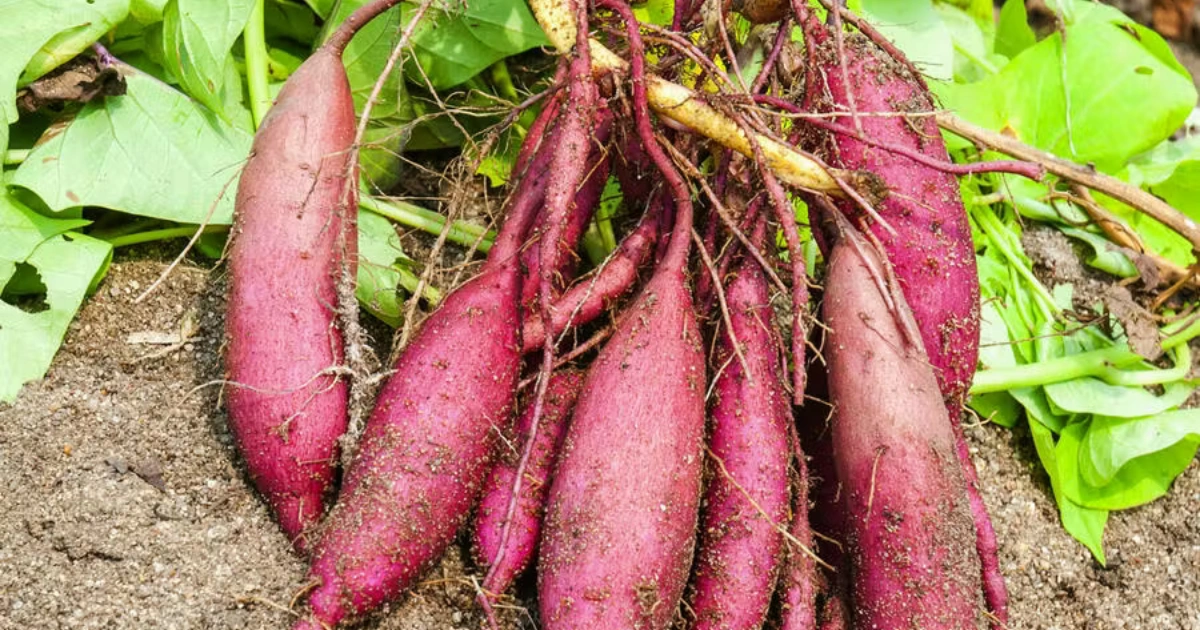
Growing sweet potatoes in soil bags is an efficient and flexible gardening method, especially for people with limited space. Whether you have a balcony, patio, or small backyard, soil bags allow you to enjoy a generous harvest without the need for traditional garden beds.
Sweet potatoes are valued for their rich nutritional profile, offering high levels of fiber, vitamin A, vitamin C, and antioxidants. Using soil bags gives you greater control over soil quality, drainage, and plant health while reducing common problems such as soil-borne diseases and invasive pests.
This guide explains exactly how to grow sweet potatoes in soil bags, step by step, using proven techniques that work in a wide range of climates.
Why Grow Sweet Potatoes in Soil Bags
Soil bags offer several advantages over in-ground planting. They warm up faster in spring, drain efficiently, and can be moved easily to follow sunlight or avoid bad weather. For gardeners dealing with poor native soil, bags provide a clean and customizable growing environment.
Additional benefits include:
- Improved root development due to loose soil
- Reduced weed competition
- Easier harvesting with less damage to tubers
- Better control over moisture and nutrients
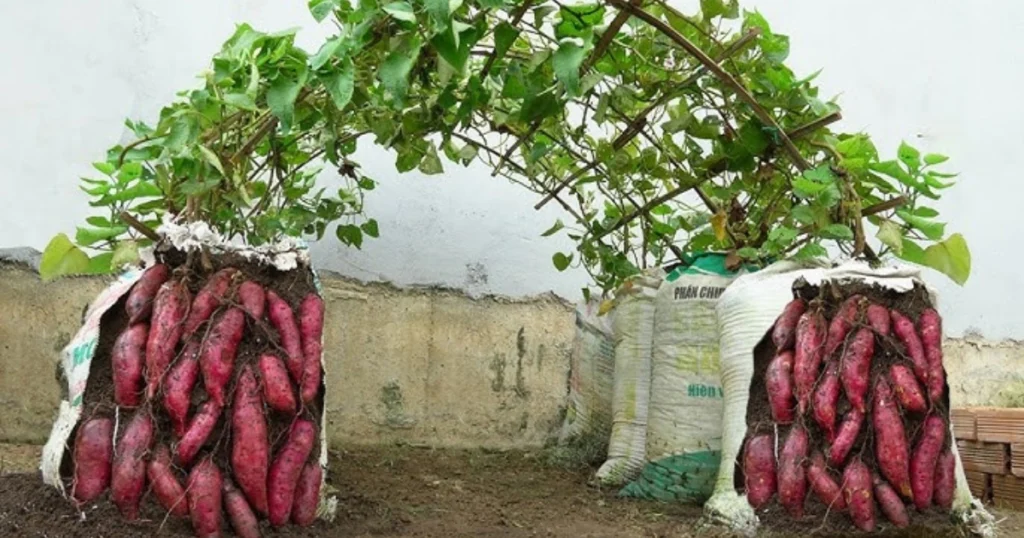
Step 1: Select the Right Sweet Potato Variety
Choosing the correct variety is essential for success. Some sweet potatoes perform better in containers and adapt well to varying climates.
Popular varieties known for container growth include Beauregard, Georgia Jet, and Covington. These varieties mature relatively quickly and tolerate a wide range of temperatures.
Before planting, check your local growing season length and select a variety that reaches maturity within that window.
Step 2: Choose the Proper Soil Bags
Large soil bags are critical for healthy tuber development. Bags with a capacity of 20 to 30 gallons provide enough depth and width for roots to expand freely.
Fabric grow bags are ideal because they promote air pruning of roots and prevent waterlogging. Ensure the bags have drainage holes or breathable material to allow excess moisture to escape.
Step 3: Prepare a Well-Draining Soil Mix
Sweet potatoes thrive in loose, nutrient-rich soil. A compact or heavy mix will restrict root growth and reduce yields.
A reliable soil blend includes:
- High-quality potting mix
- Finished compost for nutrients
- Coarse sand or perlite to improve drainage
Avoid garden soil, which tends to compact in containers and may harbor pests or diseases.
Step 4: Start Healthy Sweet Potato Slips
Sweet potatoes are grown from slips rather than seeds. Slips are young shoots grown from mature sweet potatoes.
To start slips, place a healthy sweet potato partially submerged in water or buried halfway in moist soil. Within a few weeks, shoots will emerge. Once slips reach 4 to 6 inches in length and develop roots, they are ready for planting.
Plant slips with roots fully buried and leaves above the soil surface.
Step 5: Planting Slips Correctly
Space slips evenly in each soil bag, typically three to four slips per 20-gallon bag. Crowding reduces tuber size and increases competition for nutrients.
Firm the soil gently around the base of each slip and water thoroughly after planting to help roots establish.
Step 6: Water Consistently Without Overwatering
Sweet potatoes require steady moisture, especially during early growth. Check the soil frequently and water when the top inch feels dry.
Overwatering can cause root rot and poor tuber formation, while underwatering slows growth and reduces yield. Soil bags dry out faster than garden beds, so regular monitoring is essential during hot weather.
Step 7: Fertilize for Balanced Growth
Sweet potatoes are moderate feeders. Excess nitrogen leads to lush vines but small or misshapen tubers.
At planting time, apply a balanced fertilizer. As the season progresses, switch to a fertilizer higher in potassium and phosphorus to support root development.
Organic options such as compost tea or diluted fish emulsion can also be effective when applied sparingly.
Step 8: Provide Full Sun and Warm Conditions
Sweet potatoes love heat and sunlight. Place soil bags in a location that receives at least six to eight hours of direct sun daily.
Ideal soil temperatures range from 70°F to 85°F. In cooler regions, positioning bags near reflective surfaces or walls can help retain warmth.
If nighttime temperatures drop significantly, moving bags indoors temporarily can protect young plants.
Step 9: Manage Vine Growth
Sweet potato vines grow vigorously and may sprawl beyond the bag. You can allow them to trail naturally or train them upward using a trellis.
Occasional pruning helps redirect energy toward tuber development rather than excessive foliage. Avoid aggressive pruning, as leaves are essential for photosynthesis.
Step 10: Harvest and Cure Sweet Potatoes Properly
Sweet potatoes are typically ready for harvest 90 to 120 days after planting. Signs include yellowing leaves and slowing vine growth.
Gently empty the soil bag and remove tubers by hand to avoid damage. Handle them carefully, as freshly harvested sweet potatoes bruise easily.
Cure harvested tubers in a warm, humid space for one to two weeks. This process enhances flavor, sweetness, and storage life.
Storing Sweet Potatoes for Long-Term Use
After curing, store sweet potatoes in a cool, dry area with temperatures between 55°F and 60°F. Avoid refrigeration, which alters texture and taste.
Properly stored sweet potatoes can last several months without spoiling.
Common Mistakes to Avoid
- Using bags that are too small
- Overwatering or poor drainage
- Excess nitrogen fertilizer
- Planting slips too close together
- Harvesting too early
Avoiding these issues significantly increases yield and quality.
Frequently Asked Questions
Can sweet potatoes grow well in small spaces?
Yes. Soil bags are ideal for patios, balconies, and small yards, making sweet potatoes accessible to urban gardeners.
How many sweet potatoes can one soil bag produce?
A single 20-gallon bag can yield several pounds of sweet potatoes, depending on variety and growing conditions.
Do sweet potatoes need support?
Support is optional. Vines can trail naturally or be trained vertically to save space.
Can I reuse soil bags next season?
Yes, but refresh the soil with compost and remove old roots to prevent disease buildup.
What climate is best for growing sweet potatoes?
Sweet potatoes prefer warm climates but can be grown successfully in cooler regions with adequate sunlight and temperature management.
Internal Linking Suggestions from secretsofthegreengarden.com
- How to Grow Corn Successfully for Beginners
- How to Grow Black Pepper in a Pot
- Make Rich Compost Quickly at Home
Trusted External Resources
For further reading and research-backed guidance, consult these authoritative sources:
- University of Georgia Cooperative Extension – Sweet Potato Production
- North Carolina State Extension – Growing Sweet Potatoes
- USDA National Agricultural Library – Root Crop Cultivation
Final Thoughts
Growing sweet potatoes in soil bags is a practical and rewarding method that fits modern gardening lifestyles. With the right soil, sunlight, and care, even small spaces can produce a reliable harvest of nutritious tubers.
By following these steps and maintaining consistent growing conditions, you can enjoy fresh, homegrown sweet potatoes season after season.
**neuro sharp**
neurosharp is a next-level brain and cognitive support formula created to help you stay clear-headed, improve recall, and maintain steady mental performance throughout the day.
**finessa**
Finessa is a natural supplement made to support healthy digestion, improve metabolism, and help you achieve a flatter belly.
QQ88 Casino mang đến không gian cá cược hiện đại với dealer live chuyên nghiệp, tỷ lệ thưởng cạnh tranh và hệ thống bảo mật cao cấp dành cho người chơi sành giải trí.
Một trong những lý do khiến tải 888slot được yêu thích là tốc độ nạp rút nhanh chóng qua nhiều phương thức phổ biến tại Việt Nam. Giao dịch minh bạch, xử lý tự động giúp người chơi an tâm khi tham gia lâu dài. TONY01-06H