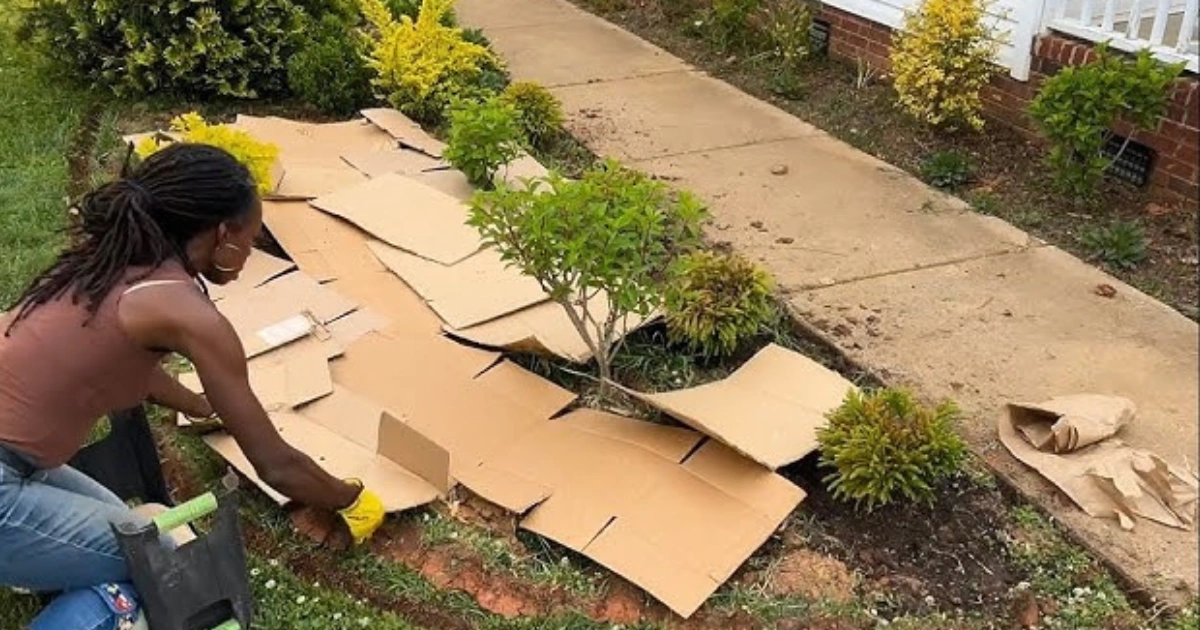
Using cardboard in the garden may sound unusual at first, but it is one of the most effective and affordable methods for suppressing weeds and improving soil quality. This technique, often called cardboard mulching or sheet mulching, is widely used in organic gardening and permaculture because it works with natural processes instead of against them.
By placing a layer of cardboard directly on the soil, gardeners can create a protective barrier that prevents weeds from growing while also feeding the soil over time. It is an easy, low-cost solution that fits perfectly into sustainable gardening practices.
What Is Cardboard Mulching
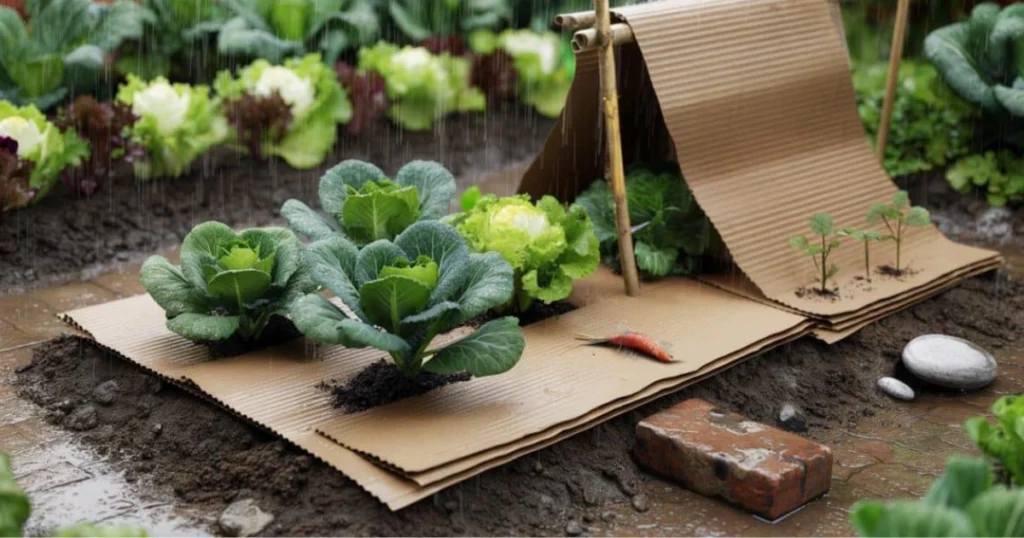
Cardboard mulching is a technique where plain, uncoated cardboard is laid over the soil surface and covered with compost, soil, or organic mulch. The cardboard acts as a biodegradable weed barrier, blocking sunlight and stopping unwanted plants from sprouting.
As the cardboard breaks down, it becomes part of the soil, improving structure and supporting beneficial organisms such as earthworms and microbes.
This method is commonly used in:
- Raised beds
- Vegetable gardens
- Flower borders
- New garden plots
- Paths between beds
Why Cardboard Works So Well in the Garden
Cardboard is made from natural plant fibers. When placed on the soil and kept moist, it decomposes slowly and becomes organic matter. At the same time, it prevents light from reaching weed seeds underneath.
Key benefits of cardboard mulching
- Suppresses weeds without chemicals
- Improves soil structure as it decomposes
- Retains moisture in the soil
- Encourages earthworms and beneficial microbes
- Reduces the need for frequent weeding
Because it is biodegradable, cardboard fits perfectly into organic and eco-friendly gardening systems.
How to Use Cardboard in Raised Beds
Applying cardboard in a raised bed is simple and requires only a few basic steps.
Step-by-step method
- Remove large weeds or debris from the bed.
- Soak the cardboard thoroughly with water.
- Lay the cardboard directly on the soil, overlapping the edges by a few inches.
- Cover it with compost, garden soil, or organic mulch.
- Plant seedlings or seeds directly into the top layer.
Moist cardboard is easier to shape and begins decomposing faster, which helps integrate it into the soil.
Choosing the Right Cardboard
Not all cardboard is suitable for gardening. To keep your soil healthy, use only clean, natural materials.
Best types of cardboard
- Plain brown corrugated boxes
- Cardboard without glossy coatings
- Boxes without heavy printing
What to avoid
- Waxed or coated cardboard
- Boxes with plastic tape or labels
- Colored or heavily printed surfaces
Removing tape and staples before use is important to prevent contamination.
How Cardboard Improves Soil Health
Cardboard does more than just block weeds. It also creates a better environment for soil life.
As the cardboard softens and breaks down, earthworms pull pieces into the soil. Microorganisms feed on the fibers, turning them into humus. This process improves:
- Soil structure
- Water retention
- Nutrient availability
- Root development
Over time, the soil becomes looser, richer, and easier to work with.
Ideal Situations for Cardboard Mulching
This method works especially well in certain gardening situations.
Best uses
- Starting a new garden bed over grass
- Reviving neglected or weedy areas
- Preparing raised beds before planting
- Creating low-maintenance pathways
- Protecting soil during the off-season
Because cardboard decomposes naturally, it is suitable for both permanent and temporary garden setups.
Common Mistakes to Avoid
Although cardboard mulching is simple, a few errors can reduce its effectiveness.
Mistakes to watch for
- Using dry cardboard instead of soaking it first
- Leaving gaps between pieces, allowing weeds to grow
- Using coated or glossy cardboard
- Skipping the mulch or soil layer on top
Proper preparation ensures the cardboard stays in place and decomposes efficiently.
How Long Does Cardboard Last in the Soil
The lifespan of cardboard depends on moisture, temperature, and soil activity. In most gardens, cardboard begins breaking down within a few weeks and is largely decomposed after two to four months.
In dry climates, decomposition may take longer. Keeping the area moist and covered with mulch speeds up the process.
Cardboard vs. Landscape Fabric
Many gardeners compare cardboard mulching with synthetic landscape fabric.
Cardboard
- Biodegradable
- Improves soil
- Low or no cost
- Environmentally friendly
Landscape fabric
- Long-lasting but non-biodegradable
- Can restrict water and air flow
- Often more expensive
- Must be removed or replaced over time
For gardeners focused on sustainability, cardboard is usually the better choice.
Tips for Best Results
- Water the cardboard thoroughly before and after placing it.
- Overlap edges by at least 3–4 inches.
- Cover with compost or mulch immediately.
- Plant directly into the top layer.
- Reapply organic mulch as the cardboard breaks down.
These small steps help ensure a weed-free and healthy garden bed.
FAQ
Is cardboard safe for vegetable gardens
Yes. Plain, uncoated cardboard is considered safe for use in vegetable gardens because it is made from natural fibers and decomposes into organic matter.
Can weeds grow through cardboard
Most weeds cannot penetrate a properly layered cardboard barrier. However, gaps or thin spots may allow some growth.
How thick should the cardboard layer be
One to two layers of standard corrugated cardboard are usually enough to block weeds effectively.
Do I need to remove the cardboard later
No. Cardboard naturally decomposes and becomes part of the soil, so there is nothing to remove.
Can I plant seeds directly into cardboard mulch
Seeds should be planted in the soil or compost layer placed above the cardboard, not directly into the cardboard itself.
Internal Linking Suggestions
- How to Build a Low-Maintenance Raised Garden Bed
- Natural Weed Control Methods for Vegetable Gardens